
Doha – May 6, 2026:
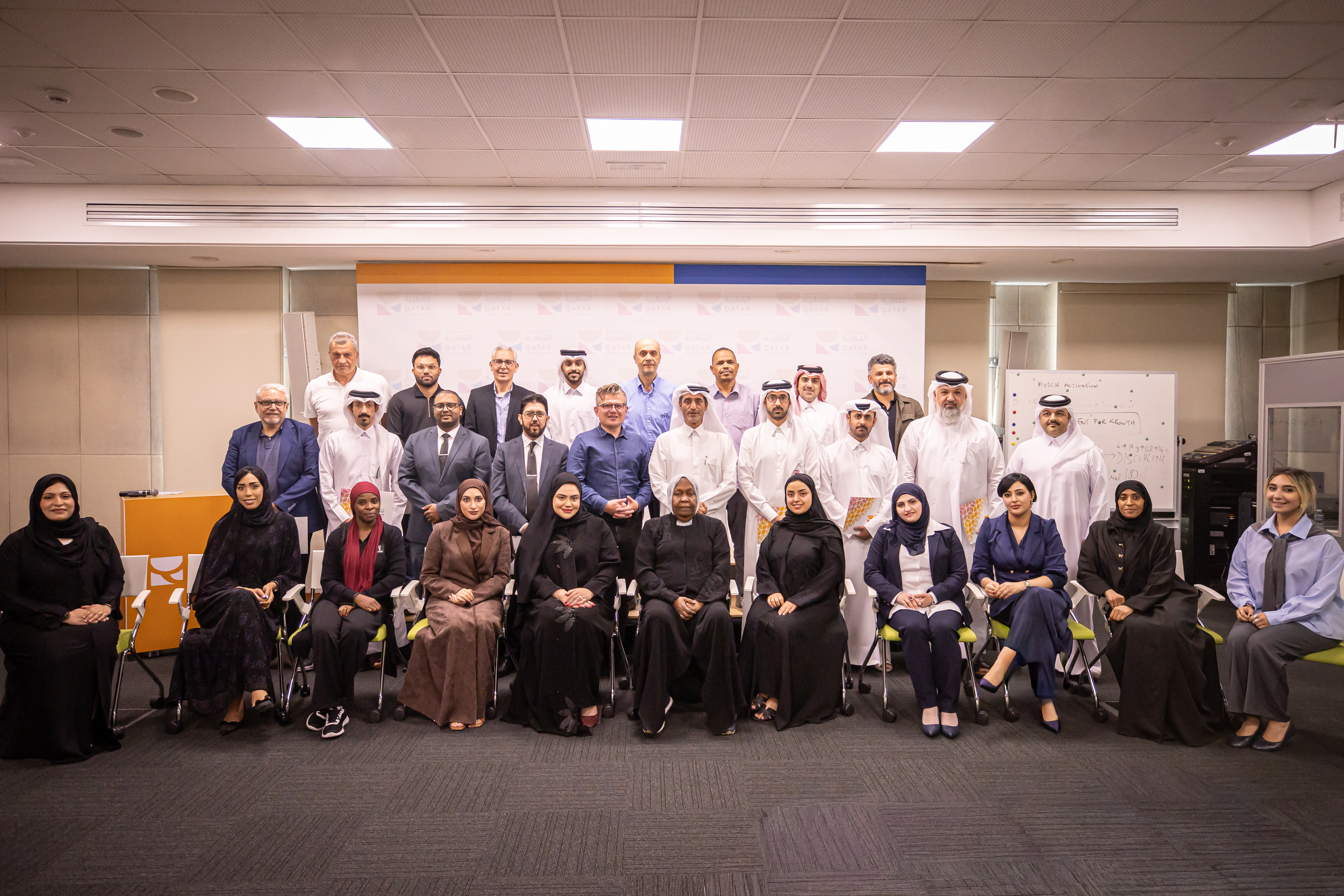
In line with its ongoing efforts to develop the framework for organizing major sports events in accordance with the highest international standards, the Qatar Olympic Academy organized a specialized training program titled Sustainability in Sports Events Management. The course was part of the Academy’s series of programs on organizing major sports events included in its 2026 agenda.
Held over three days, the course brought together more than forty participants from Qatar and abroad, representing a wide spectrum of professionals in the sports sector, event organizers, and individuals seeking to enhance their knowledge and skills in sustainability and its practical applications in sports event management.
Professional Training Environment and Clear Vision
This course reflects the Academy’s strategic vision to create an ideal and professional training environment that prepares cadres capable of keeping pace with global transformations in the sports industry. With sustainability increasingly recognized as a key element in planning and executing major sports events, the Academy emphasized a comprehensive understanding of sustainability as an integrated approach encompassing environmental, economic, and social dimensions. Success in sports events today, it stressed, is measured not only by organizational and technical achievements but also by the ability to generate long-term positive impact.
International Lecturer with Global Expertise
The course was delivered by Mr. Andrey Abramenko, Sustainability Management Consultant at FIFA, and one of the world’s leading experts in sports sustainability. Abramenko’s extensive career includes work with organizing and planning teams for several FIFA World Cups and participation in multiple Olympic Games. His expertise enriched the course with practical insights and lessons drawn from major global events.
Throughout the sessions, he presented pioneering international models of integrating sustainability into sports event management, highlighting the transition from theoretical planning to measurable and evaluable practical implementation.
Target Audience and Content Significance
The program targeted professionals in sports event organization, including staff from sports federations, organizing committees, and related government and private institutions, as well as those keen to advance their professional capabilities and learn about international best practices.
The course also served as a platform for participants from diverse backgrounds to exchange experiences, engage in discussions, and collaborate, thereby fostering professional networks that will support future sustainability initiatives in the sports sector.
Specialized Themes and Holistic Approach
The curriculum covered carefully designed themes addressing multiple aspects of sustainability in sports events, including:
- Risks of unsustainable events: analyzing negative environmental impacts such as waste generation, carbon emissions, and resource depletion, alongside economic and social consequences like indirect costs, loss of public trust, and reputational damage.
- Long-term benefits of adopting sustainability: exploring strategic advantages such as reduced operational costs, efficient resource use, enhanced legacy of sports events, and strengthened institutional image.
- Waste reduction strategies: focusing on pre-event planning, reuse, recycling, eco-friendly materials, and circular economy practices.
- Stakeholder engagement: stressing the importance of involving sponsors, partners, suppliers, volunteers, and audiences in achieving sustainability goals.
- Waste management and circular systems: presenting practical models for applying circular systems in sports events to minimize environmental impact and maximize resource efficiency.
Interactive and Applied Discussions
The course featured open discussions, case studies from global sports events, and practical exercises on designing integrated sustainability plans tailored to different event types. Participants showed particular interest in methods for measuring environmental and social impact, preparing sustainability reports, and aligning them with international indicators and the UN Sustainable Development Goals.
Alignment with Qatar National Vision
The program aligns with Qatar National Vision 2030, which places sustainability at the core of comprehensive development pathways and reinforces Qatar’s position as a global leader in hosting major sports events to the highest standards. It also reflects the Academy’s commitment to building national capacities and developing human capital in the sports sector.
Statement from the Academy’s Executive Director
On this occasion, Mr. Khalil Ibrahim Al Jaber, Executive Director of the Qatar Olympic Academy, stated:
“At the Academy, we strive to introduce modern and advanced sciences to all those eager to acquire knowledge. Qatar is preparing to host the Basketball World Cup in 2027, the Volleyball World Cup in 2029, and the Asian Games in 2030, in addition to 83 annual events and championships of international, regional, and local levels. This underscores our belief in the importance of sports event management sciences, which we have dedicated a significant portion of our 2026 program agenda to.”
He added:
“We are delighted with the diverse group of participants, whose varied expertise and backgrounds enriched the exchange of knowledge. Their commitment to advancing their understanding of sustainability reflects growing awareness of its importance in modern sports.”
Al Jaber further emphasized:
“This course highlighted key themes, including the risks of unsustainable events, long-term benefits of sustainability, waste reduction strategies, stakeholder engagement, and circular systems. We believe that investing in knowledge is the best path to ensuring sports events with lasting positive impact.”
He expressed gratitude to Mr. Andrey Abramenko for delivering outstanding scientific and practical content, drawing on his wide-ranging international experience in major global and Olympic events.
Finally, Al Jaber announced that the Academy’s next course, Generative Artificial Intelligence for Leaders in Sports, will be held on June 3, 2026, aiming to empower sports leaders with insights into AI applications in decision-making and institutional performance development.
Towards a Sustainable Sporting Future
The Qatar Olympic Academy concluded the course by reaffirming its commitment to continuing specialized programs that contribute to building a sustainable sports sector capable of meeting future challenges, balancing organizational success with environmental and social responsibility, and reflecting Qatar’s distinguished image on the global sports stage.
أكثر الأخبار
الأكاديمية الأولمبية القطرية تختتم دورة «السياسات الرياضية والأطر القانونية في الرياضة»

الدوحة - 30 سبتمبر 2026 اختتمت الأكاديمية الأولمبية القطرية دورة السياسات الرياضية والأطر القانونية في الرياضة، التي أُقيمت على مدار ثلاثة أيام خلال الفترة من 28 إلى 30 سبتمبر 2026، بمشاركة عدد من العاملين والمهتمين بالقطاع الرياضي من داخل دولة قطر وخارجها، ومن مختلف القطاعات الحكومية والخاصة، من مختلف التخصصات الوظيفية والعلمية.
الأكاديمية الأولمبية القطرية تختتم فصل الإدارة المالية في المؤسسات الرياضية.
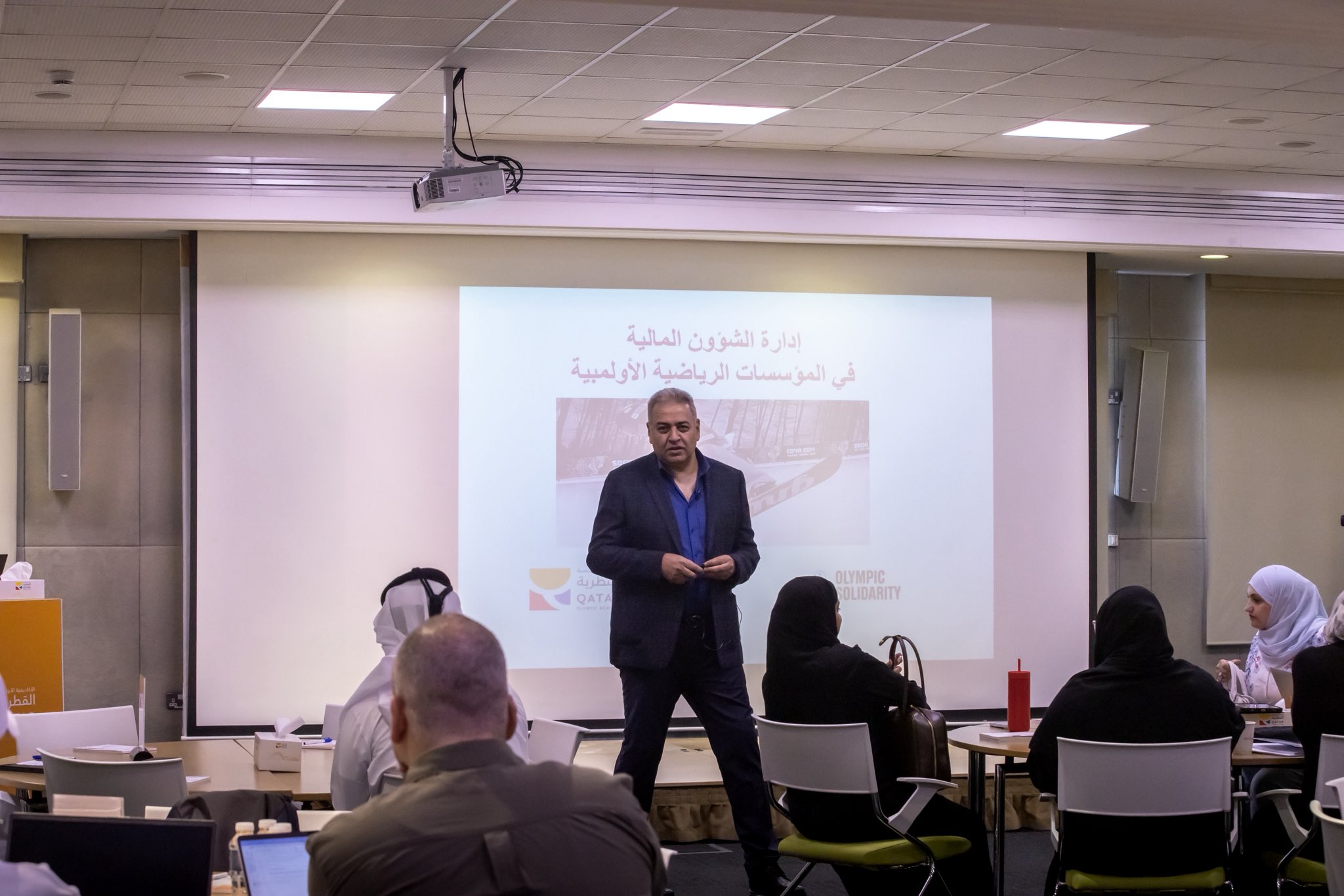
الدوحة: اختتمت الأكاديمية الأولمبية القطرية محاضرات الفصل الرابع من برنامج الدبلوم في الإدارة الرياضية، والذي جاء تحت عنوان "الإدارة المالية في المؤسسات الرياضية" وذلك في إطار جهود الأكاديمية المستمرة لتطوير وتأهيل الكوادر الرياضية والإدارية، وتعزيز معارفهم ومهاراتهم في مختلف التخصصات المرتبطة بالإدارة الرياضية الحديثة.
الأكاديمية الأولمبية القطرية تختتم دورة «الاتصالات الرقمية في التسويق الرياضي»
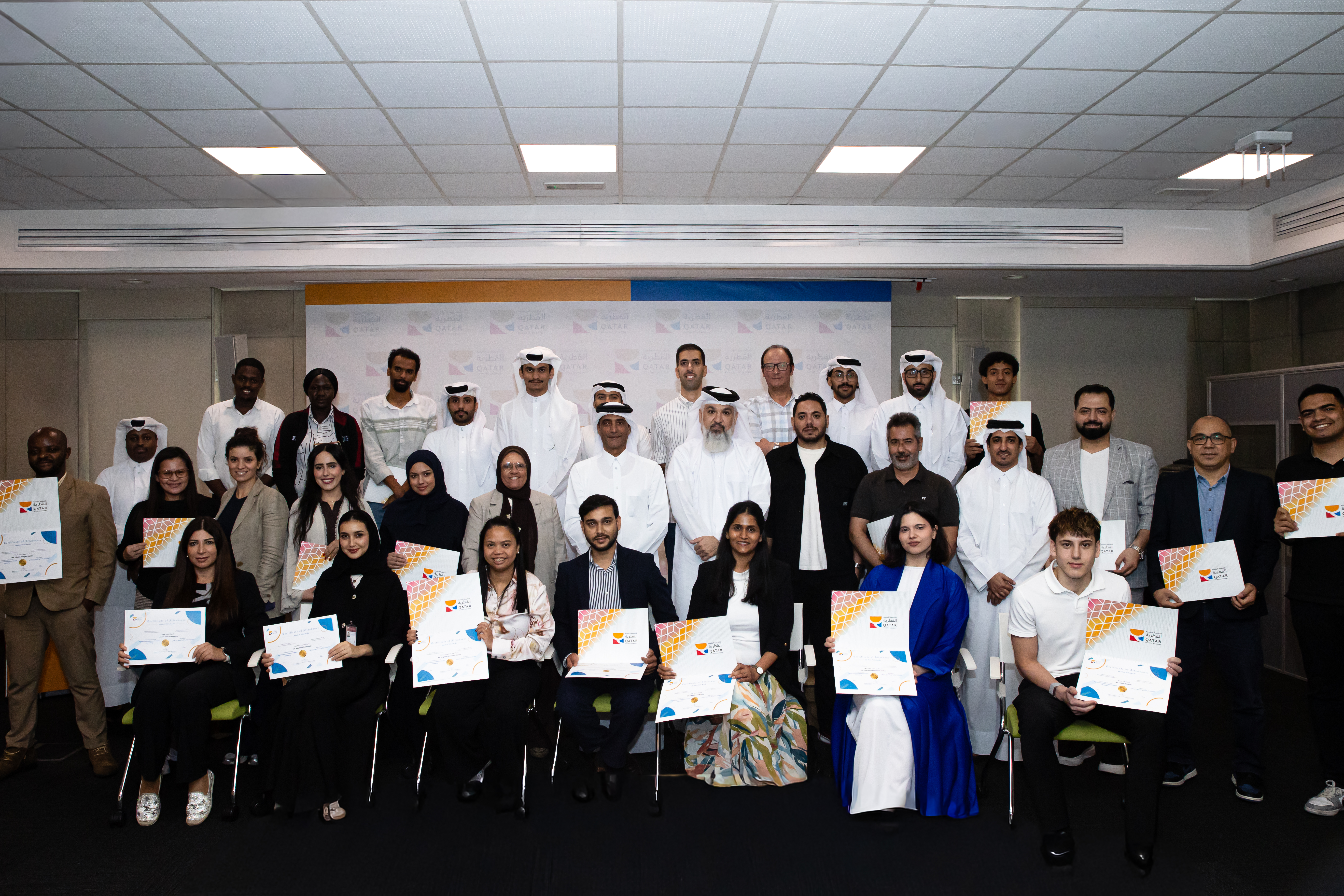
الدوحة: اختتمت الأكاديمية الأولمبية القطرية دورة الاتصالات الرقمية في التسويق الرياضي، التي أقيمت في مقر الأكاديمية خلال الفترة من 31 أغسطس إلى 3 سبتمبر 2026، ضمن سلسلة البرامج والدورات المتنوعة التي تقدمها الأكاديمية ضمن اجندة الدورات للعام الأكاديمي الحالي 2026 بهدف تطوير قدرات العاملين والمهتمين بالقطاع الرياضي، ومواكبة التطورات المتسارعة في مجالات التسويق والإعلام والاتصال الرقمي.