
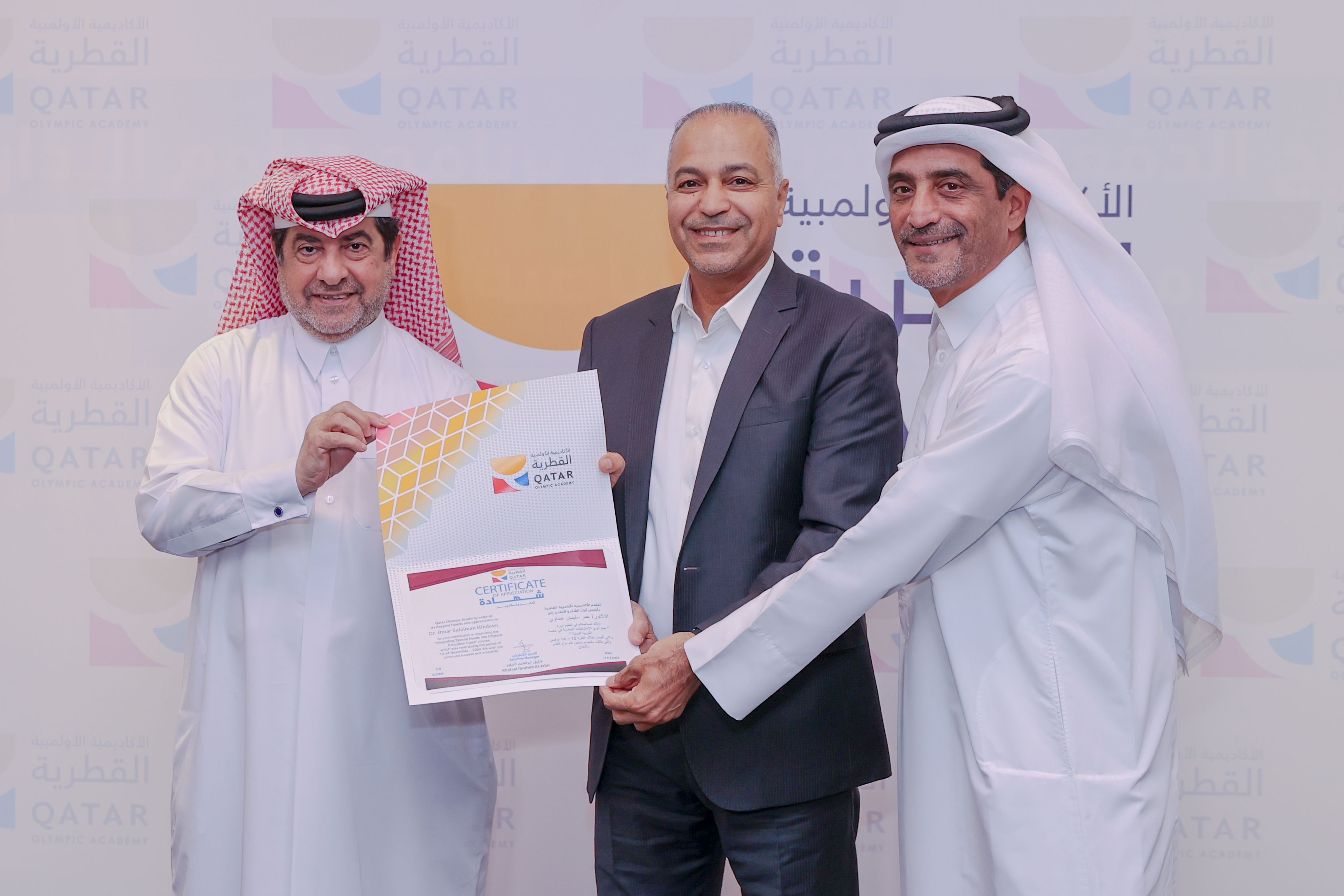
Doha:
The Qatar Olympic Academy concluded today, Thursday, a course on integrating people with special needs into physical education classes. The academy is keen to organize this course as part of a series of diverse courses offered in its annual agenda, which is of great interest to a large segment of the sports community due to its importance in the sports, educational, medical, and practical sectors alike. Additionally, there has been significant demand for it from sports coaches, statisticians, and physical education teachers.
The course lasted for five days from the 10th to the 14th of November, with the participation of approximately forty male and female students from various Arab countries, belonging to many different sports, academic, and administrative specializations.
This course, organized by the academy over five days with the endorsement of the West Asian Paralympic Committee, is part of the cooperation agreement between the two institutions. It aims to serve and develop the workforce in the sports, academic, and professional sectors, and to provide them with academic and cognitive training in the fields of sports in general and disability sports in particular.
Collaboration was also established with the Qatar Federation for Special Needs Sports to conduct the practical application of this course, where the federation provided logistical support through its facility equipped with all the tools and equipment needed by the trainees for this category.
This course was presented by Professor Dr. Omar Hindawi, a university professor in the Department of Sports Rehabilitation at the Faculty of Physical Education and Sports Sciences at Al-Hussein University in Zarqa, Jordan. He is a member of the scientific committee of the West Asian Paralympic Federation, the head of the Jordanian Paralympic Committee, and possesses extensive academic and practical experience in this field. He has enriched rehabilitative and educational scientific work through numerous courses, workshops, and conferences, the latest of which was the Middle East Conference on Adapted Physical Education held at Al-Hussein University in Jordan.
Dr. Hindawi has extensive experience in this field, as his master's thesis was titled "Building a Test Battery to Measure the Skill Performance of Wheelchair Basketball Players in Jordan." His doctoral dissertation was titled "The Impact of Early Physical Activity (Models for Individuals with Attention Deficit Hyperactivity Disorder)." Dr. Hindawi also possesses significant field and professional experience in this area.
As for the doctoral thesis, it was titled "The Impact of Early Physical Activity (Models for Individuals with Attention Deficit Hyperactivity Disorder)," and Professor Hindawi has extensive field and professional experience in this area.
The students learned about many important aspects in this field, including the historical context and the concept of inclusion for people with disabilities.
The students will also learn about disabilities, their types and degrees, and the disabilities that are easier to integrate. They will also learn about the steps to achieve integration in schools, the transition from inclusion to integration and then to inclusion, and they will learn what modified physical activity is and what integration in modified physical activity is. Additionally, they will learn about the justifications for integration, its positives and negatives, as well as the benefits of integration in physical and sports activities. The lecturer will also address the challenges and difficulties of integration during the learning process in physical activity, the levels of integration in physical activity, the TREE model for integration in physical education classes, and tools to support the integration of people with disabilities in physical education classes. The discussion will also cover how we can integrate students in physical activity classes. The learners will get to know about inclusion and support methods in physical activity for people with disabilities to be active and healthy.
The etiquette for interacting with people with disabilities in general and in the sports field in particular was also reviewed, in addition to providing participants with knowledge and information about the concept of sports training for people with disabilities, as well as methods for preparing the training kit specifically for people with disabilities in the training unit (leadership in training, program design, load planning, exploration, etc.).
The participants also learned about the methods and techniques of sports training for people with disabilities using the functional classification system used in sports competitions for people with disabilities.
The course also covered the concept of sports training for people with disabilities and specialized sports training (various sports), and the participants learned about the devices and tools used in sports for people with disabilities.
The lecturer moved on to the etiquette of dealing with people with disabilities in general and in the sports field, the qualities and skills of the coach and the sports qualifications for people with disabilities, in addition to your role as a coach (the main functions of a coach's work), the sports selection for people with disabilities, the patterns and categories of people with disabilities, and the functional classification categories for athletes with disabilities.
The students learned about the most important tools and equipment used in sports for people with disabilities and how to train on using these devices and tools, in addition to how to organize training work and the important factors and considerations for the success of sports training programs for people with disabilities.
Then, the focus shifted to mental training for athletes with disabilities, the training unit specific to sports for people with disabilities, the design of training programs and load planning, and how to prepare a basic sports program for the physical readiness of athletes with disabilities.
The students moved to the headquarters of the Qatar Paralympic Committee on the fourth day of the course, where they were received by Dr. Hassan Al Ansari, Secretary General, and Mr. Amir Al Mulla, Executive Director of the Committee. They learned about the committee’s headquarters and the facilities available to serve people with special needs, including medical clinics and gyms, in addition to the museum dedicated to the World Paralympic Championships, which were held in Doha from October 22 to 31, 2015, for the first time in the Middle East. The students also met with our champion Abdulrahman Abdulqader, who won two silver medals at the Paralympic Games in Rio 2016 and bronze in Tokyo 2020, as well as our champion Ali Arshad, who participated in the Paralympic Games in Paris 2024. Afterwards, the practical application was held in the Federation’s hall, where a number of sports activities were held. On the other hand, Mr. Khalil Al Jaber, Executive Director of the Qatar Olympic Academy, expressed his happiness with the success of this important course for the community and for this important category, stressing the intention to establish a special diploma program in this specialization, which is currently being prepared and arranged with its academic content, and coordination with the relevant authorities to obtain the necessary accreditations, in addition to the fact that a number of courses will be held for a number of categories, most notably the autism category.
More news

Qatar Olympic Academy Concludes “Sports Policies and Legal Frameworks in Sport” Course
Doha, September 30, 2026 The Qatar Olympic Academy successfully concluded its Sports Policies and Legal Frameworks in Sport course, held over three days from September 28 to 30, 2026, with the participation of professionals and stakeholders from the sports sector both within and outside the State of Qatar. Participants represented various governmental and private sector organizations and came from diverse professional and academic backgrounds.
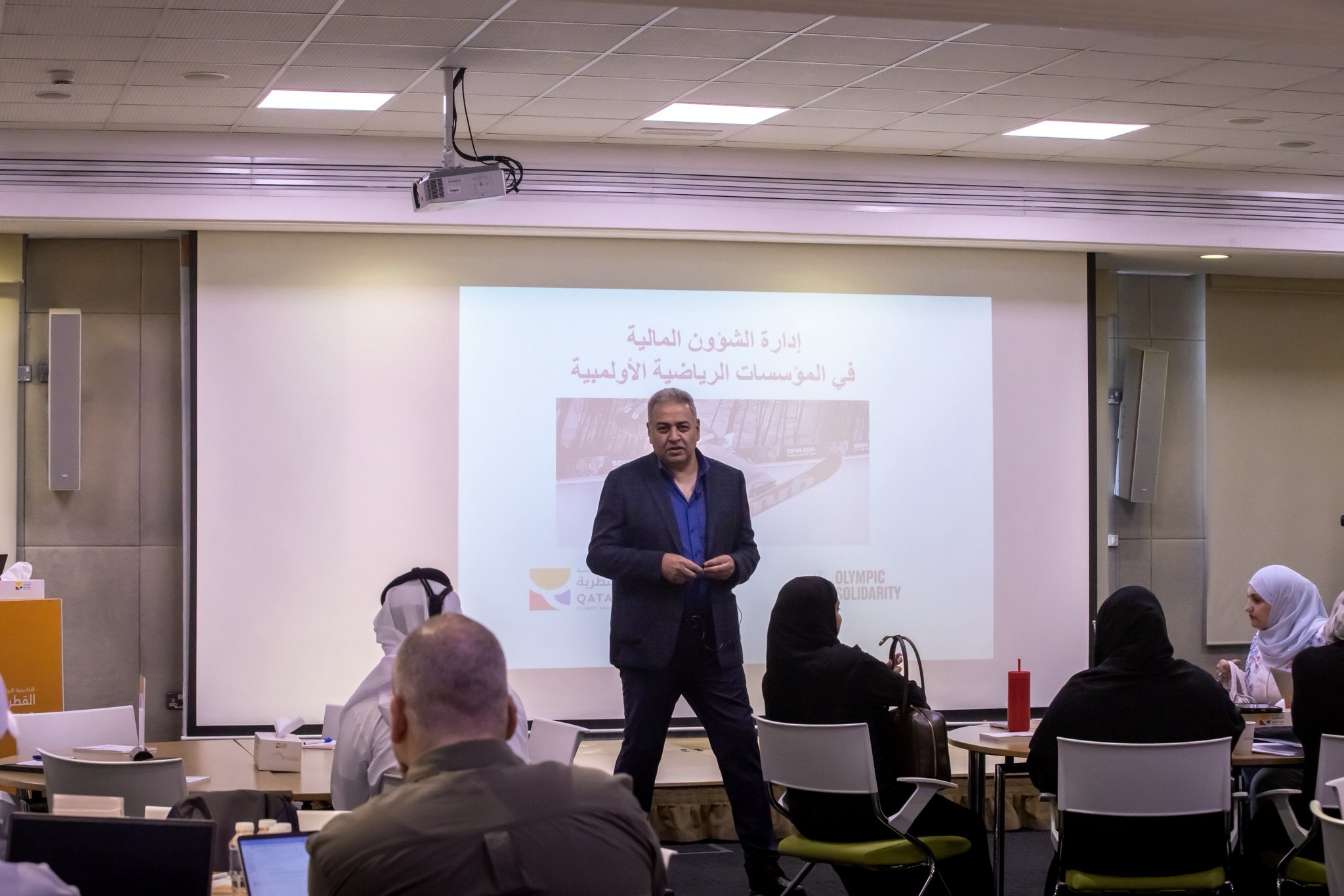
Qatar Olympic Academy Concludes Module on Financial Management in Sports Organizations
Doha, Qatar The Qatar Olympic Academy has concluded the fourth module of its Sports Management Diploma Program, titled “Financial Management in Sports Organizations,” as part of the Academy’s ongoing efforts to develop and empower sports and administrative professionals while enhancing their knowledge and skills across various disciplines related to modern sports management.
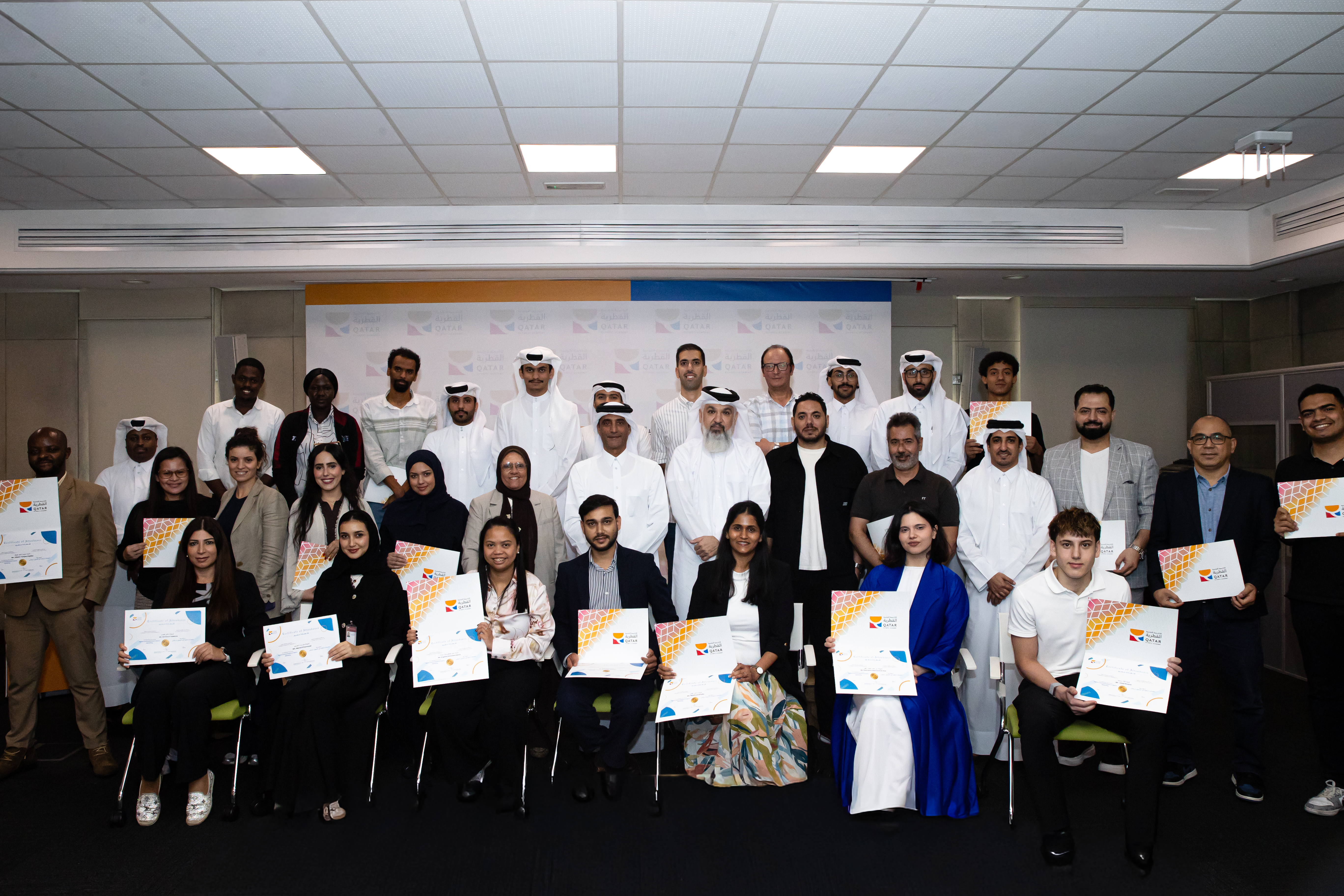
Qatar Olympic Academy Concludes "Digital Communications in Sports Marketing" Course
Doha, Qatar The Qatar Olympic Academy has concluded its Digital Communications in Sports Marketing course, held at the Academy's headquarters from 31 August to 3 September 2026, as part of the diverse programs and courses offered within the Academy's 2026 academic calendar. The course aimed to develop the capabilities of professionals and individuals interested in the sports sector while keeping pace with the rapid developments in marketing, media, and digital communications.