
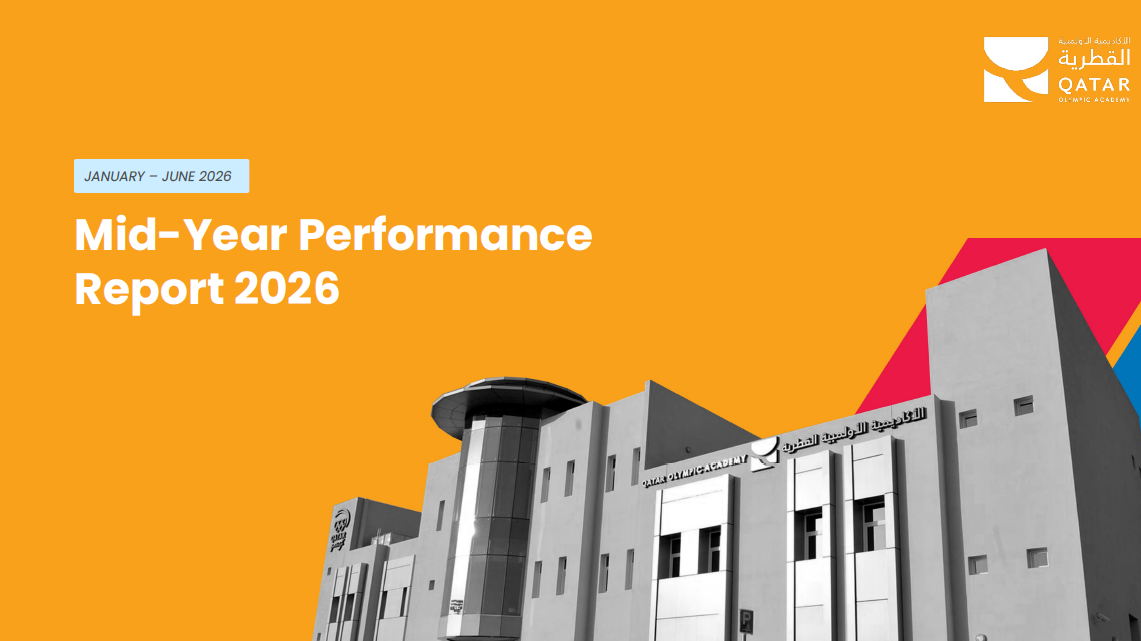
Doha – 26 July 2026
The Qatar Olympic Academy (QOA) has further solidified its position as one of the leading institutions in Olympic education and sports leadership at both the national and regional levels. During the first half of 2026, the Academy achieved a series of institutional, academic, and media milestones that reflect the success of its strategy in developing sports competencies, promoting sustainable education, and supporting the goals of Qatar National Vision 2030.
According to the Academy’s semi-annual report, the period from January to June 2026 witnessed significant growth across all areas of operation, including academic and training programs, international strategic partnerships, media and digital presence, and the launch of new initiatives aimed at advancing digital transformation and enhancing the experience of learners and beneficiaries.
During the first six months of the year, the Academy delivered nine specialized educational and training programs, attracting 408 participants from within Qatar and abroad. In addition, 54 students enrolled in the Academy’s diploma programs, representing both local and international audiences. The programs were delivered under the supervision of 11 international experts and lecturers from eight different countries, further enriching the academic content and the professional expertise offered to participants.
The Academy also achieved an impressive 95% participant satisfaction rate, reflecting the quality and effectiveness of its educational programs and training activities.
As the academic and educational arm of the Qatar Olympic Committee, the Qatar Olympic Academy is dedicated to developing human capital within the sports sector through internationally recognized educational programs, specialized research and training initiatives, and strategic partnerships with leading academic and sports institutions worldwide. The Academy’s vision is to serve as a premier center for sports and Olympic education in the region, driven by academic excellence, innovation, and lifelong learning.
During the first half of 2026, the Academy implemented a diverse portfolio of specialized programs covering sports management, sustainability, leadership, artificial intelligence, and organizational development. Among the most notable was the “Generative Artificial Intelligence for Sports Leaders” program, which attracted 67 participants, making it the most attended program and highlighting the growing interest in emerging technologies and their role in shaping the future of sports organizations and governance.
The Academy also succeeded in broadening the diversity of its participant base, attracting athletes, coaches, administrators, academics, and institutional leaders from sports, government, and private sectors. Male participants represented 66% of attendees, while female participation accounted for 34%, reflecting the Academy’s continuing efforts to promote inclusivity and balanced representation in sports education.
On the international cooperation front, the Academy engaged experts and lecturers from Qatar, Oman, Jordan, the United Kingdom, Australia, Austria, Russia, Lebanon, and Egypt. This international expertise enabled participants to benefit from global best practices and specialized knowledge in sports management, Olympic education, digital transformation, sustainability, sports marketing, and event management.
As part of its commitment to enhancing the learner experience and measuring program impact, participant feedback indicated consistently high levels of satisfaction with both the scientific content and the expertise delivered. Many participants reported that the programs significantly contributed to the development of their professional skills and broadened their practical knowledge in sports management, athlete support, and sports organization development, demonstrating the Academy’s success in achieving its educational and developmental objectives.
Media and Institutional Communications
The Academy’s Media and Marketing Department continued implementing a comprehensive communications strategy aimed at strengthening the Academy’s institutional presence and expanding the reach of its educational mission. The department achieved remarkable results across both traditional and digital media channels.
In the digital sphere, Academy content generated more than 473,000 views during the reporting period, while recording continuous monthly growth of 2.2%. The Academy’s X (formerly Twitter) platform achieved more than 60,000 impressions through over 220 posts, while its LinkedIn account surpassed 600 followers since its launch earlier this year. Notably, all of these achievements were accomplished without any paid advertising campaigns, underscoring the effectiveness of the Academy’s digital content strategy.
Digital analytics also demonstrated that a significant proportion of content engagement came from non-followers through organic discovery, contributing to increased awareness of the Academy’s educational programs and activities among new audiences both inside and outside Qatar.
Several media campaigns delivered exceptional results, particularly the promotional campaign for the Diploma in Olympic Sports Organizations Management, which generated more than 15,000 organic views and attracted approximately 135 new followers. Similarly, media coverage of the Sports Villages Management Course and the Olympic Principles Course received strong engagement from diverse audience segments.
In traditional media, the Academy maintained a strong presence through the issuance of 16 press releases in Arabic and English, published across newspapers, news agencies, and online media platforms. During the same period, Academy representatives participated in more than 42 live television interviews, 40 recorded television interviews, and eight radio interviews, while more than 45 media reports highlighted the Academy’s programs and activities.
As part of its efforts to enhance institutional services, the Academy made significant progress toward building an integrated digital ecosystem through the development of a Student Information System (SIS). The system will provide beneficiaries with a unified platform for online registration, access to learning materials, digital certification, and academic progress tracking. Simultaneously, the Academy continues work on redeveloping its website to serve as the primary digital gateway for all its services, programs, and initiatives.
The Academy also launched several new strategic initiatives, including the Institutional Training Services Project, designed to serve sports organizations, federations, government entities, and event organizers. In addition, the SCORE Impact Assessment Reports Project was introduced to evaluate sports programs and events using evidence-based methodologies and performance indicators, supporting informed decision-making and enhancing the effectiveness of sports programs across the region.
Meanwhile, the Qatar Olympic Academy Library strengthened its role as an active knowledge hub, reaching 309 registered users and engaging 12 volunteers in its programs. The library also received regional recognition from the Middle East and North Africa Regional Office of the International Federation of Library Associations and Institutions (IFLA) in appreciation of its high-quality services and contributions to sports knowledge dissemination and Olympic education.
In the area of social responsibility and Olympic values promotion, the Academy, through its library, organized three educational workshops for school students focusing on Olympic values and sport for development and peace. These activities coincided with several significant national and international occasions, reinforcing the Academy’s role in promoting community awareness and instilling sporting values among younger generations.
The report emphasized that the achievements realized during the first half of 2026 represent an important milestone in the Academy’s journey toward further growth and development, particularly through ongoing digital transformation projects, the launch of new services, the advancement of academic programs, and the strengthening of its regional position as a leading reference center for Olympic education and sports leadership.
International and Global Presence
As part of its efforts to strengthen its international presence and expand its professional network, the Qatar Olympic Academy participated in the National Olympic Academies Forum, organized by the International Olympic Academy in Greece, with broad participation from representatives of Olympic academies and sports organizations worldwide.
During the forum, the Academy’s delegation took part in specialized workshops and discussions addressing the development of academic programs and Olympic education, the exchange of experiences and best practices in sports institution management, and ways to enhance the role of Olympic academies in supporting athletes, administrators, and future sports leaders. The participation provided the Academy with valuable opportunities to explore the latest global trends in Olympic education and establish professional partnerships with international academic and sports institutions.
The Academy also strengthened regional cooperation by signing a Memorandum of Understanding (MoU) with the Saudi Olympic Academy on the sidelines of the Olympic Council of Asia meetings in Tashkent, Uzbekistan. The agreement aims to promote collaboration in Olympic education, training programs, scientific research, and knowledge exchange, contributing to the development of sports competencies in both countries and supporting efforts to advance sports education and professional qualification systems across the region. The agreement represents an important step toward building sustainable strategic partnerships among Gulf sports institutions and fostering greater integration in academic and professional development.
Executive Director: Proud of the Academy’s Achievements During the First Half of the Year
Mr. Khaleel Ebrahim Al Jabir, Executive Director of the Qatar Olympic Academy, stated:
“We are proud of what the Qatar Olympic Academy has achieved during the first half of 2026. The results and indicators reflect the tremendous efforts made by our team, partners, experts, and collaborators in achieving our strategic objectives.
We have successfully delivered high-quality educational programs that attracted participants from diverse countries and professional backgrounds, while maintaining high levels of satisfaction and academic excellence. We have also continued to expand our partnerships and strengthen our regional and international presence.”
He added:
“Digital transformation is one of our highest priorities at this stage. Therefore, we are developing an integrated ecosystem that includes the Student Information System, a new website, and a range of digital services aimed at enhancing the beneficiary experience and improving institutional efficiency. We are also working to launch new services in institutional training, impact measurement, and sports consulting to support the sports sector in Qatar and across the region.”
Al Jabir continued:
“The achievements of the past six months provide a strong foundation for the next phase. We look forward to continuing innovation and expanding our programs and initiatives in alignment with Qatar National Vision 2030, while preparing sports leaders capable of shaping the future and reinforcing Qatar’s position as a global hub for sport and Olympic education.”
Regarding international engagement, he said:
“We are proud to represent the State of Qatar and the Qatar Olympic Academy at major international forums. Our participation in the National Olympic Academies Forum at the International Olympic Academy provided a valuable opportunity to exchange knowledge and build professional relationships with leading sports institutions worldwide.
Furthermore, the signing of the Memorandum of Understanding with the Saudi Olympic Academy reflects our strong belief in the importance of Gulf-wide cooperation in advancing Olympic education and developing sports competencies. We look forward to translating these partnerships into practical initiatives and programs that contribute to sustainable sports development and serve athletes and sports administrators throughout the region.”
More news

Qatar Olympic Academy Concludes “Sports Policies and Legal Frameworks in Sport” Course
Doha, September 30, 2026 The Qatar Olympic Academy successfully concluded its Sports Policies and Legal Frameworks in Sport course, held over three days from September 28 to 30, 2026, with the participation of professionals and stakeholders from the sports sector both within and outside the State of Qatar. Participants represented various governmental and private sector organizations and came from diverse professional and academic backgrounds.
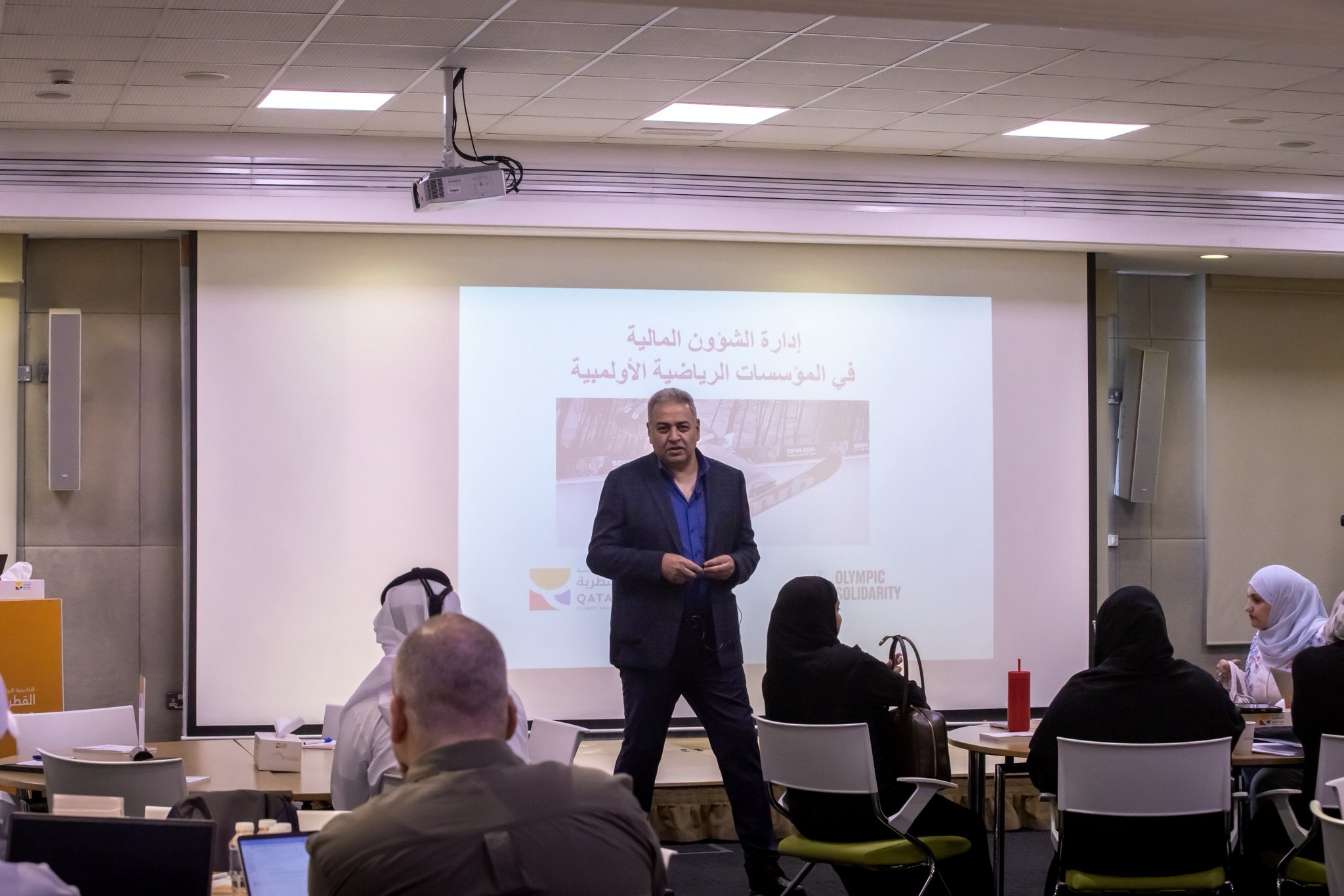
Qatar Olympic Academy Concludes Module on Financial Management in Sports Organizations
Doha, Qatar The Qatar Olympic Academy has concluded the fourth module of its Sports Management Diploma Program, titled “Financial Management in Sports Organizations,” as part of the Academy’s ongoing efforts to develop and empower sports and administrative professionals while enhancing their knowledge and skills across various disciplines related to modern sports management.
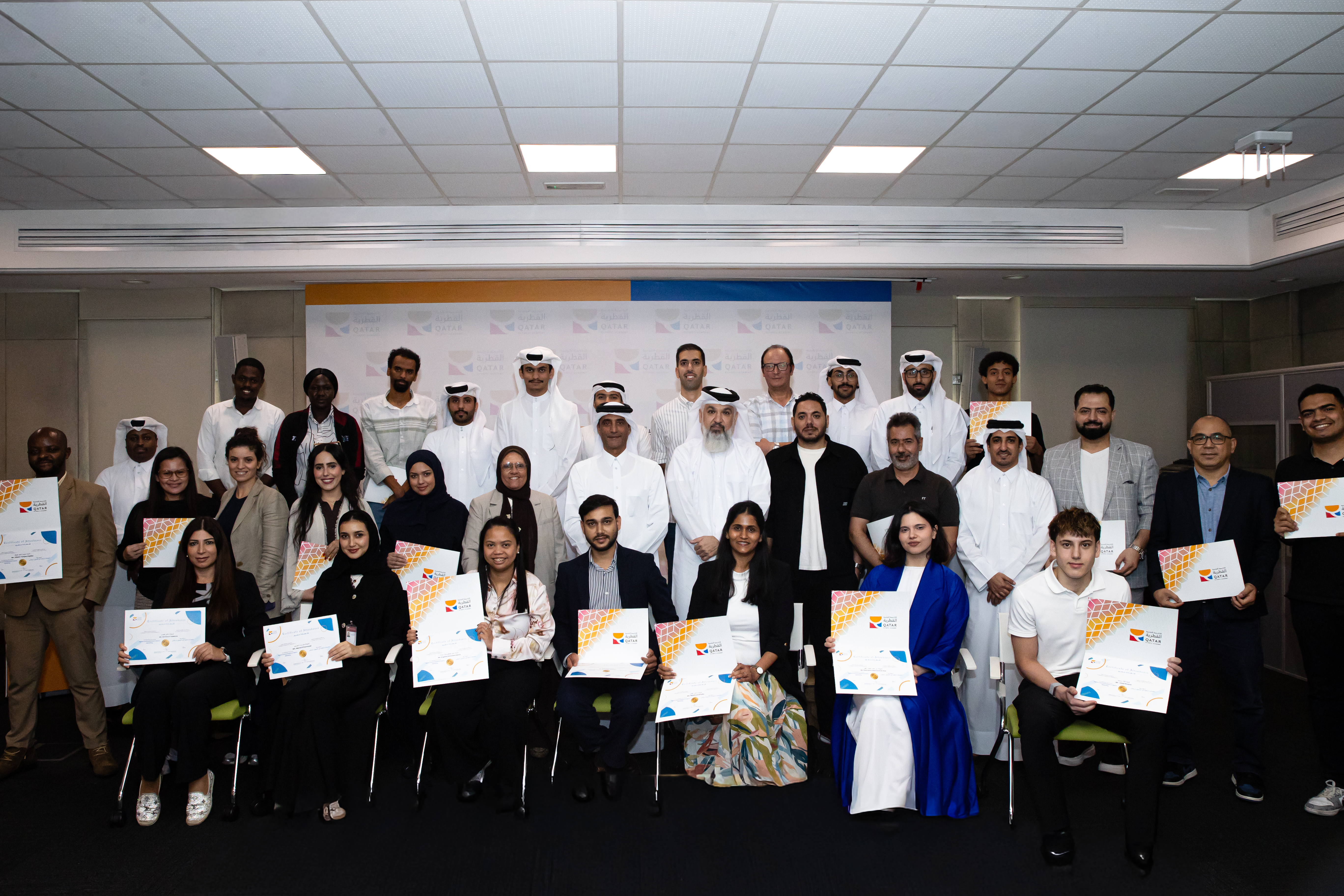
Qatar Olympic Academy Concludes "Digital Communications in Sports Marketing" Course
Doha, Qatar The Qatar Olympic Academy has concluded its Digital Communications in Sports Marketing course, held at the Academy's headquarters from 31 August to 3 September 2026, as part of the diverse programs and courses offered within the Academy's 2026 academic calendar. The course aimed to develop the capabilities of professionals and individuals interested in the sports sector while keeping pace with the rapid developments in marketing, media, and digital communications.