
Doha, Qatar
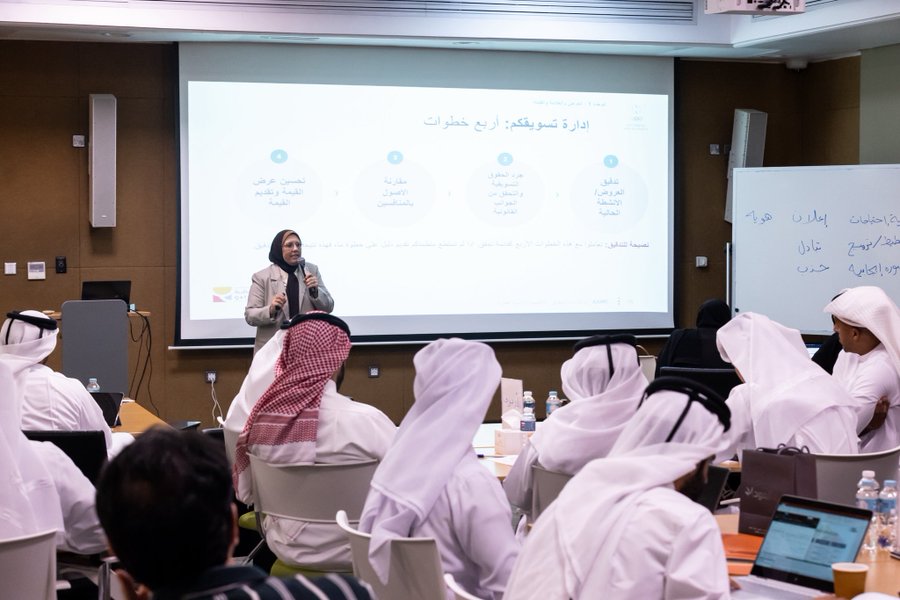
As part of its mission to develop national and Arab professionals working in the sports sector, the Qatar Olympic Academy continued the delivery of its Sports Management Diploma Program, accredited by the International Olympic Committee (IOC), Olympic Solidarity, and the International Olympic Academy. The Academy recently concluded the fifth module of the program, entitled “Marketing Management in Sports and Olympic Organizations,” held on 12 and 13 October 2026, with the participation of 54 male and female students representing a distinguished group of learners and professionals from sports organizations, committees, clubs, and sports federations, covering a wide range of professional and academic disciplines.
The module was delivered by Dr. Dalia Farag, Academic Expert at the Qatar Olympic Academy, who presented a series of lectures and interactive workshops addressing the latest concepts and practices related to sports marketing management, with a particular focus on the challenges and opportunities facing sports organizations amidst the rapid transformations occurring across the global sports industry.
This module forms part of a series of academic and practical courses included in the diploma program, which aims to prepare qualified sports leaders equipped with the knowledge and managerial skills necessary to lead sports organizations efficiently and effectively in accordance with the latest international standards and best professional practices in sports management.
The module highlighted the fact that sports marketing has become one of the most important strategic pillars for the success and sustainability of sports organizations, particularly in light of increasing competition within the sports sector and the growing need to diversify revenue streams and enhance the commercial value of sports activities and events. Accordingly, a dedicated module on marketing management was designed to familiarize participants with the scientific foundations of sports marketing and enable them to utilize modern tools and strategies to achieve organizational objectives.
Dr. Dalia Farag began the module with the topic of Marketing Management, reviewing the fundamental concepts of marketing in sports and Olympic organizations as well as the significant developments witnessed in the field over recent decades. She explained that marketing is no longer limited to promoting sports activities and services; rather, it has evolved into an integrated management process aimed at understanding the needs of beneficiaries, audiences, and partners and fulfilling those needs through programs and services that provide added value.
The sessions also addressed the importance of developing and strengthening a sports organization’s brand identity and its role in enhancing the institution’s position while increasing its ability to attract audiences, sponsors, and strategic partners. Several successful international case studies were discussed, demonstrating how sports marketing can be effectively utilized to achieve institutional excellence and enhance visibility at both local and international levels.
As part of the second topic, Managing the Quality of Service Offerings, the lectures focused on the importance of service quality within sports organizations as a key factor in achieving stakeholder satisfaction and maintaining long-term relationships. Participants were introduced to modern methods for measuring the quality of sports services, evaluating performance levels, and improving the overall customer experience while ensuring that services meet the expectations and aspirations of target groups.
The module also included an important section on Developing and Enhancing a Marketing Plan for Outreach and Expansion, where participants were introduced to the essential steps involved in creating effective marketing plans and the mechanisms for designing, implementing, and monitoring their outcomes. Discussions covered internal and external environmental analysis, identification of target audiences, setting marketing objectives, and establishing key performance indicators to assess the effectiveness of marketing plans and strategies.
Training sessions featured extensive discussions on the importance of strategic planning in sports marketing and its role in strengthening organizational presence and expanding the base of beneficiaries and audiences. Participants also reviewed a number of practical applications that enabled them to design hypothetical marketing plans for different sports organizations, helping transform theoretical concepts into applicable professional skills.
Another major topic addressed during the module was Managing Sponsorship Opportunities and Sponsors, one of the most significant subjects in modern sport due to the pivotal role sponsorship plays in supporting sports activities and programs while enhancing the financial sustainability of organizations.
During this section, participants explored professional approaches to identifying marketing opportunities, building partnerships with sponsoring organizations, preparing sponsorship proposals, delivering professional presentations, and managing sponsor relationships. Discussions also focused on balancing the marketing objectives of sports organizations with the commercial objectives of sponsoring companies to ensure sustainable value creation for all stakeholders.
The module further addressed Developing and Managing a Marketing Strategy, emphasizing the importance of strategic thinking in managing marketing activities within sports organizations. Participants examined the different stages involved in formulating a marketing strategy, beginning with situational analysis, followed by defining vision and objectives, and concluding with the selection of appropriate implementation and evaluation tools.
Participants also discussed the challenges facing sports organizations in the digital era, including increasing competition for audience attention, changing patterns of sports content consumption, and the importance of leveraging social media and digital platforms to build stronger relationships with audiences and enhance engagement.
The module featured numerous practical activities and group workshops designed to strengthen participants’ ability to analyze marketing challenges and propose effective solutions. Participants were divided into working groups to develop case studies and mini marketing projects covering topics such as brand development, marketing campaign management, sponsor acquisition, and the design of promotional initiatives for sporting events.
The lectures were characterized by a highly interactive approach that allowed participants to exchange professional experiences and discuss the marketing challenges faced by their respective organizations. Group discussions significantly enriched the learning experience and enabled participants to benefit from the diverse expertise represented within the cohort.
The fifth module concluded amid widespread praise from participants regarding the academic quality and professional organization of the program. They emphasized the relevance of the topics covered and their direct connection to the realities of modern sports management. Participants also expressed their appreciation for the Qatar Olympic Academy’s efforts in providing an advanced learning environment that contributes to the development of sports leaders capable of keeping pace with global developments and building a more sustainable future for sports organizations.
Through this distinguished program, the Qatar Olympic Academy continues to strengthen its position as one of the leading institutions in the field of sports education and training. Through its specialized programs, the Academy seeks to prepare a new generation of leaders and professionals capable of contributing to the advancement of the national and regional sports movement and translating Qatar’s vision of investing in people and promoting sustainable development through sport, education, and knowledge.
Mr. Khalil Al Jaber, Executive Director of the Qatar Olympic Academy, stated:
“Successful sports organizations are no longer satisfied with merely organizing sporting events and activities. They strive to deliver integrated experiences for fans, participants, and partners, which requires a deep understanding of customer behavior and expectations, as well as a continuous commitment to improving and developing service quality in line with the rapidly evolving sports environment.”
He further emphasized:
“The success of sponsorship programs does not depend solely on securing financial support. It is also linked to the ability of sports organizations to build long-term strategic relationships with sponsors and provide genuine opportunities for them to achieve their marketing objectives and strengthen their market presence through sports activities and events.”
The Executive Director added:
“This training module provided participants with a comprehensive understanding of the importance of sports marketing and its role in achieving organizational success. It also enabled them to learn about the latest global trends in marketing and sponsorship management. The academic and practical content of the module contributed significantly to enhancing participants’ professional knowledge and skills and equipped them with practical tools that can be directly applied within their workplaces.”
Mr. Al Jaber further explained:
“The Sports Management Diploma Program continues to play a vital role in preparing and qualifying sports professionals through an integrated approach that combines academic knowledge with practical experience. The program is committed to delivering contemporary topics that directly address the challenges and requirements facing modern sports organizations, thereby enhancing the efficiency of professionals working in the sector and enabling them to contribute effectively to its development.”
He concluded by noting:
“The program’s accreditation by the International Olympic Committee, Olympic Solidarity, and the International Olympic Academy reflects the quality of its academic and training content and reaffirms the Academy’s commitment to implementing the highest international standards in sports education and training.”
More news
Closing of the Physical Education Teachers Preparation Course in Light of Olympic Values
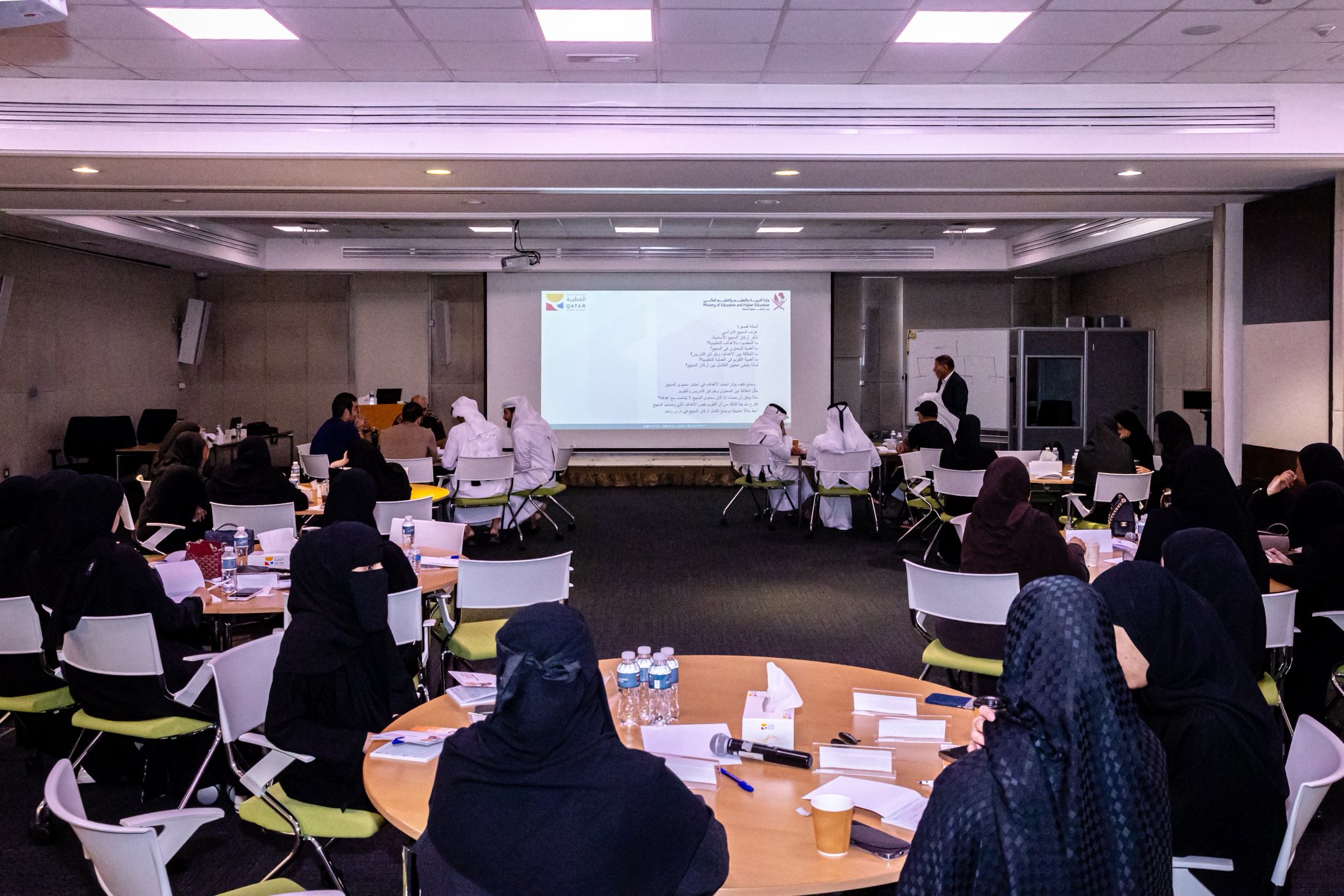
Doha, Qatar As part of its ongoing efforts to contribute to the development of Qatar’s national sports and educational systems, the Qatar Olympic Academy, in cooperation with the Ministry of Education and Higher Education, successfully delivered the “Physical Education Teachers Preparation Course in Light of Olympic Values.” The course was designed for Level One Physical Education teachers in the State of Qatar and formed part of a comprehensive program aimed at enhancing teachers’ professional competencies and preparing them to keep pace with modern developments in education, physical education, and school sports.
Qatar Olympic Academy Concludes “Sports Policies and Legal Frameworks in Sport” Course
Doha, September 30, 2026 The Qatar Olympic Academy successfully concluded its Sports Policies and Legal Frameworks in Sport course, held over three days from September 28 to 30, 2026, with the participation of professionals and stakeholders from the sports sector both within and outside the State of Qatar. Participants represented various governmental and private sector organizations and came from diverse professional and academic backgrounds.
Qatar Olympic Academy Concludes Module on Financial Management in Sports Organizations
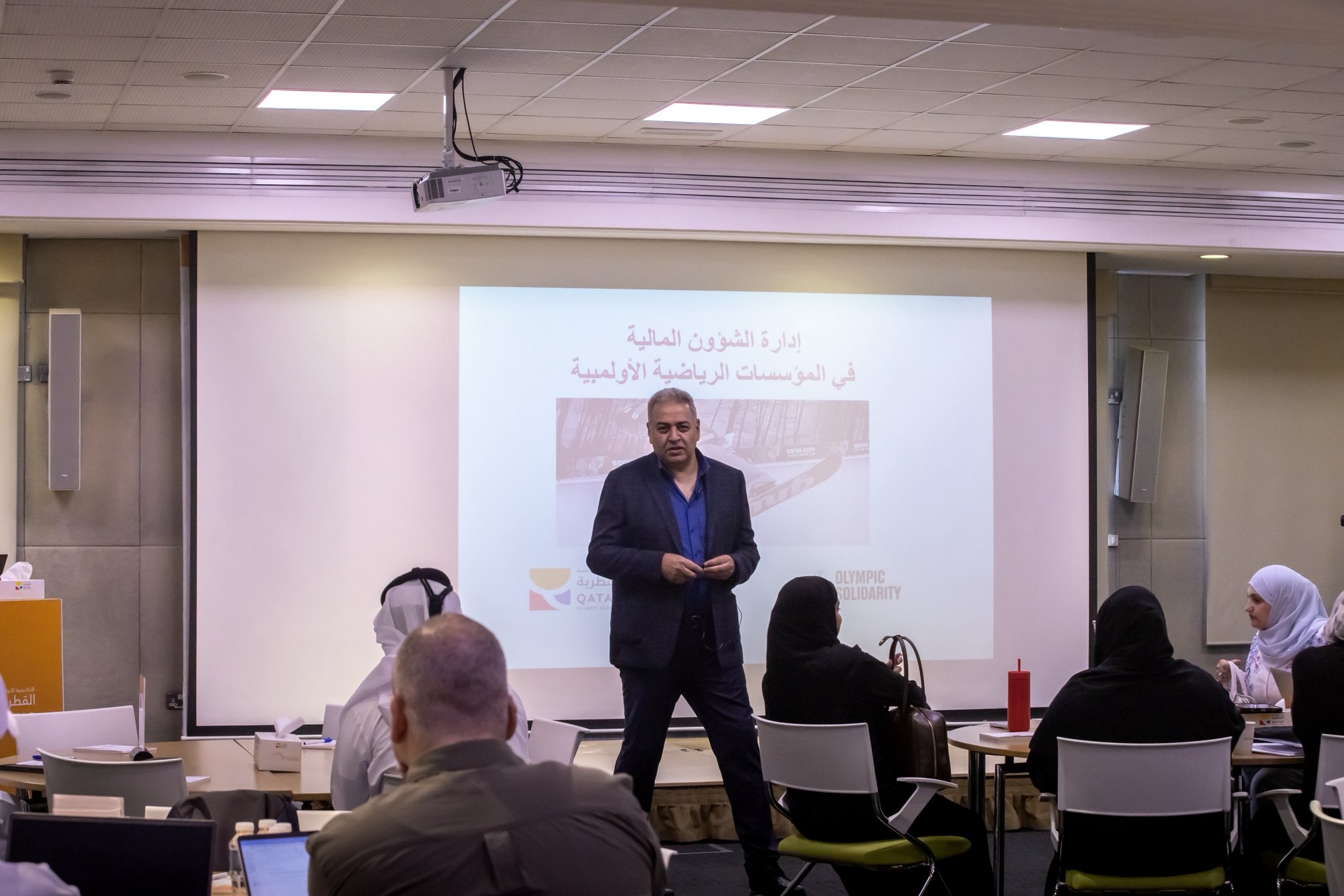
Doha, Qatar The Qatar Olympic Academy has concluded the fourth module of its Sports Management Diploma Program, titled “Financial Management in Sports Organizations,” as part of the Academy’s ongoing efforts to develop and empower sports and administrative professionals while enhancing their knowledge and skills across various disciplines related to modern sports management.