
Doha, Qatar
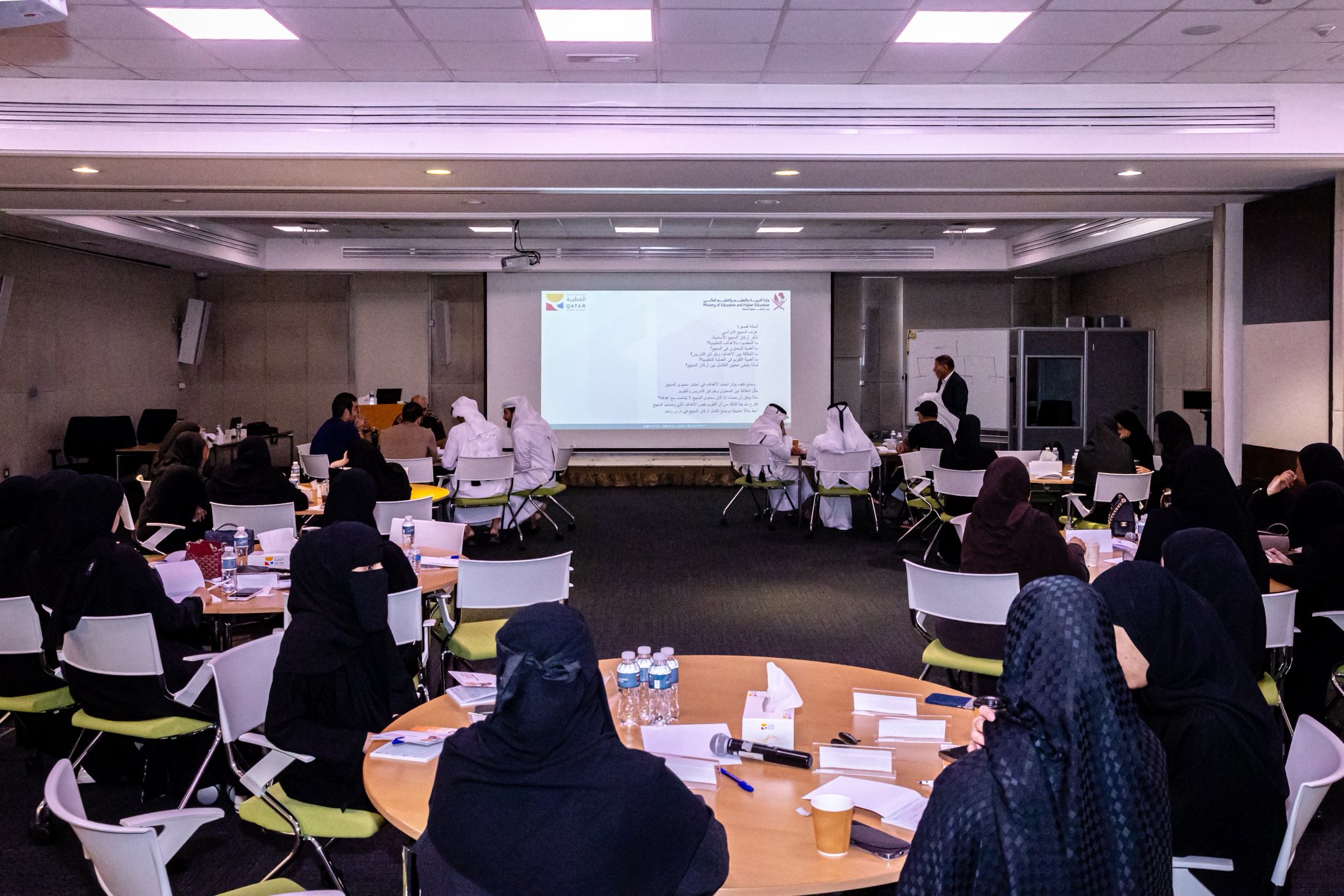
As part of its ongoing efforts to contribute to the development of Qatar’s national sports and educational systems, the Qatar Olympic Academy, in cooperation with the Ministry of Education and Higher Education, successfully delivered the “Physical Education Teachers Preparation Course in Light of Olympic Values.” The course was designed for Level One Physical Education teachers in the State of Qatar and formed part of a comprehensive program aimed at enhancing teachers’ professional competencies and preparing them to keep pace with modern developments in education, physical education, and school sports.
The course was delivered by Professor Dr. Gamal El-Din Ali El-Adawy, a curriculum expert and professor at the Faculty of Physical Education, Helwan University, Arab Republic of Egypt, and was conducted from 4 to 15 October 2026.
The course was organized within the framework of the strategic partnership between the two institutions, which seek to enhance the quality of sports education and develop the professional performance of national educational cadres in alignment with the State’s vision of preparing a generation equipped with health, knowledge, and the skills necessary for the future.
This initiative reflects the Qatar Olympic Academy’s commitment to expanding its educational and training programs to encompass various components of the sports system. The Academy firmly believes that schools represent the primary environment for discovering and nurturing sporting talent and that physical education teachers are among the most important pillars supporting the educational and athletic development of students. Accordingly, the course was designed to provide an integrated training experience that combines contemporary academic knowledge with practical applications, contributing to the development of teachers’ capabilities and enabling them to perform their educational and professional roles effectively and efficiently.
The course targeted Level One Physical Education teachers according to the professional licensing classification system for teachers in Qatar, specifically those with teaching experience ranging from one to three years. The objective was to support newly appointed teachers at the beginning of their professional careers and equip them with the knowledge, skills, and experience necessary to succeed in their educational and pedagogical responsibilities.
The program featured the participation of a group of teachers who engaged in a series of training activities and practical workshops focused on the modern requirements of the teaching profession within the field of physical education.
The Academy emphasized that the importance of sustainable professional development for physical education teachers stems from the need to keep pace with rapid scientific and educational advancements, strengthen teachers’ specialized knowledge, enrich their expertise with modern teaching methods and contemporary instructional strategies, and enable them to understand the evolving roles required by today’s educational environment while effectively responding to students’ diverse needs. Professional development also seeks to foster positive attitudes toward the teaching profession and reinforce pride in the educational and societal role performed by physical education teachers both inside and outside the school environment.
The course focused on several qualitative objectives aimed at enhancing teachers’ professional performance. These included familiarizing participants with the modern roles of physical education teachers, promoting a culture of lifelong learning, developing planning, teaching, and assessment skills, enhancing technological competencies required to integrate modern technologies into the educational process, improving communication and psychological interaction skills with students, and raising participants’ cultural and social awareness.
The training program included a diverse range of modules covering the psychological, professional, educational, and technological dimensions related to the field of physical education. Within the psychological preparation component, participants explored topics such as personality development, self-confidence enhancement, achieving psychological and social balance within the workplace, effective communication skills, as well as methods for promoting students’ mental well-being and managing various educational pressures and challenges. This module reinforced the concept of a teacher capable of creating a positive, safe, and motivating learning environment.
The program also included a specialized module on professional preparation and in-service professional development, presenting modern concepts of professional growth and their role in improving the quality of educational performance. Participants were introduced to methods for designing development programs and planning future career pathways, ensuring continuous professional growth and strengthening their ability to respond to the rapid changes taking place within contemporary educational environments.
As part of developing specialized competencies, the course addressed the educational framework of physical education teaching and the functional relationships among different curriculum components. Emphasis was placed on understanding curriculum elements, formulating educational objectives, selecting appropriate activities, and designing and implementing practical educational content within the school environment. These efforts aimed to achieve effective learning outcomes that meet students’ needs and educational institutions’ aspirations.
Modern teaching strategies formed a significant part of the training program. Participants were introduced to various contemporary instructional approaches that encourage active student engagement in the learning process. Teachers explored cooperative learning, project-based learning, learning through play, interactive learning, microteaching, as well as methods for developing students’ thinking and problem-solving skills while taking individual differences into account during the implementation of educational and sporting activities.
The course also highlighted the evolving role of physical education teachers in the knowledge economy era by discussing transformations in modern education and the shift from the teacher as a transmitter of knowledge to a facilitator, mentor, and creator of learning experiences. Participants examined the importance of integrating modern technology into sports education and utilizing digital tools and educational platforms to enhance learning processes. Additionally, the course emphasized mental well-being, healthy nutrition, and physical fitness as essential components in building well-rounded student personalities.
Another key component of the program focused on teachers’ professional sustainability. This module highlighted the importance of continuous self-development practices, benefiting from constructive feedback, strengthening professional collaboration among teachers, and planning long-term career development. It also addressed methods for maintaining teachers’ physical and psychological well-being and the positive impact this has on their professional performance, relationships with students, and the educational work environment.
The Academy adopted a variety of modern training methods that integrated both theoretical and practical aspects. The program included scientific lectures, interactive workshops, classroom simulations, brainstorming sessions, creative idea presentations, cooperative learning activities, and role-exchange learning techniques. It also incorporated field-based applications that enabled participants to practice newly acquired skills in learning environments designed to simulate real-life school settings.
Daily training sessions were carefully structured to ensure active participant engagement through discussions of specialized scientific topics within small working groups, group presentations, practical applications, academic assignments, and educational projects. This approach significantly contributed to collaborative learning and the exchange of experiences among participants.
Regarding assessment, the program adopted a comprehensive continuous evaluation system to measure the extent to which training objectives were achieved throughout the course. Assessment tools included oral questioning, worksheets, observation of practical performance, surveys, written and practical tests, as well as evaluations of group work, projects, and individual assignments. These measures were intended to ensure participants’ effective engagement with the course content and to assess the impact of the training on their knowledge, skills, and professional attitudes.
In this context, Mr. Khalil Al Jaber, Executive Director of the Qatar Olympic Academy, stated:
“This course represents an important step in building an integrated professional development system for physical education teachers in the State of Qatar. The Academy is committed to delivering high-quality training programs that align with international best practices and address the needs of the educational sector. Such initiatives contribute to improving the quality of sports education in Qatari schools and help foster generations that are more aware of the importance of sport and physical activity in their daily lives.”
Mr. Al Jaber further noted:
“The partnership between the Qatar Olympic Academy and the Ministry of Education and Higher Education serves as a model of institutional integration in support of human development. It brings together academic, sporting, and educational expertise to develop national competencies and strengthen teachers’ capacities as one of the most important elements of success within the educational process.”
The course concluded with highly positive feedback from participants, who praised the scientific and practical content of the program as well as the specialized expertise provided by the trainers. Participants emphasized that the course had enhanced their professional knowledge and skills and had equipped them with practical tools that can be directly applied within schools to benefit students and improve educational outcomes. The course also served as an important platform for exchanging professional experiences and promoting a culture of continuous learning and self-development among teachers.
This initiative forms part of the Qatar Olympic Academy’s ongoing commitment to its leading role in supporting sports education and developing national capacities through high-quality programs targeting professionals across the sports and educational sectors. Such efforts contribute to fostering a culture of excellence and innovation while supporting Qatar’s sustainable development goals in education, sport, and human development.
أكثر الأخبار
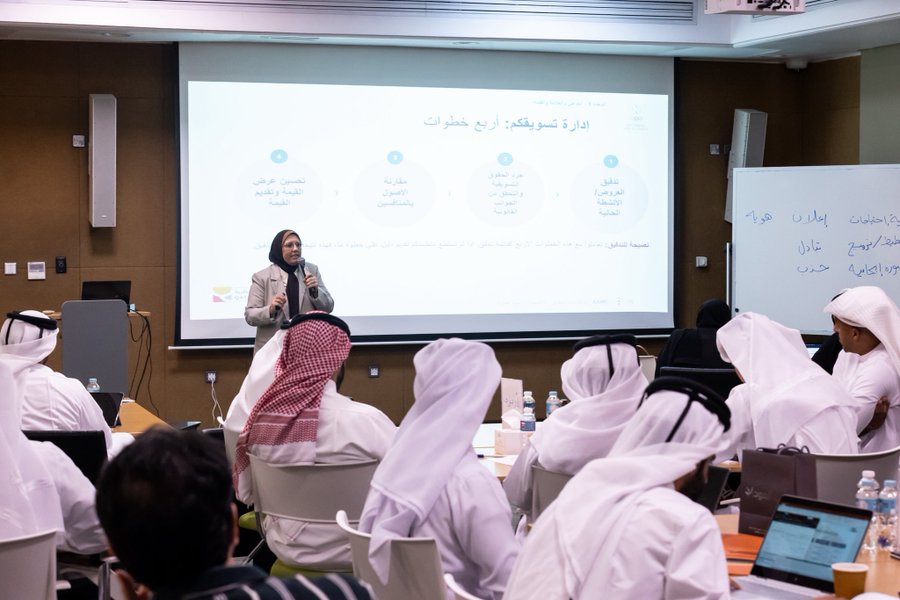
ختام الفصل الخامس "إدارة التسويق في المؤسسات الرياضية والأولمبية" من برامج دبلوم إدارة المؤسسات الرياضية
الدوحة - قطر في إطار رسالتها الرامية إلى تطوير الكفاءات الوطنية والعربية العاملة في القطاع الرياضي، واصلت الأكاديمية الأولمبية القطرية تنفيذ برنامج دبلوم إدارة المؤسسات الرياضية المعتمد من اللجنة الأولمبية الدولية والتضامن الأولمبي والأكاديمية الأولمبية الدولية، حيث اختتمت أعمال الفصل الخامس من البرنامج التدريبي والذي حمل عنوان "إدارة التسويق في المؤسسات الرياضية والأولمبية"، وذلك يومي الثاني عشر والثالث عشر من أكتوبر 2026، بمشاركة أربعة وخمسين طالباً وطالبة نخبة من الدارسين والمهتمين بالإدارة الرياضية من العاملين في المؤسسات الرياضية واللجان والأندية والاتحادات الرياضية من مختلف التخصصات الوظيفية والعلمية.
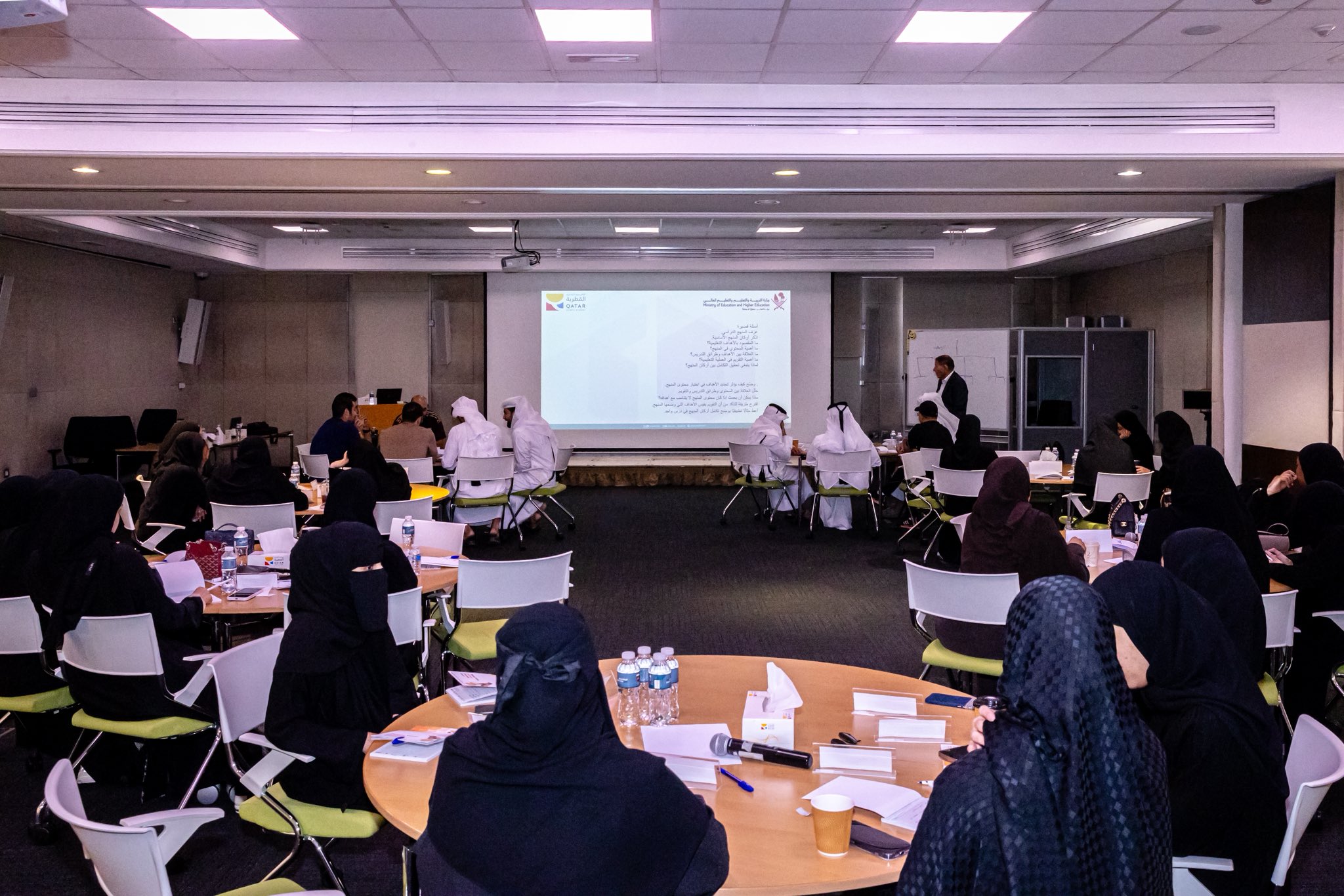
ختام دورة إعداد معلمي التربية البدنية في ضوء القيم الأولمبية
الدوحة - قطر في إطار جهودها المستمرة للإسهام في تطوير المنظومة الرياضية والتعليمية الوطنية، نفذت الأكاديمية الأولمبية القطرية بالتعاون مع وزارة التربية والتعليم والتعليم العالي "دورة إعداد معلمي التربية البدنية في ضوء القيم الأولمبية" والتي خصصت لمعلمي التربية البدنية في دولة قطر "المستوى الأول"، وذلك ضمن برنامج متكامل يستهدف تعزيز الكفاءة المهنية للمعلمين وإعدادهم لمواكبة المتغيرات الحديثة في مجالات التعليم والتربية البدنية والرياضة المدرسية.
الأكاديمية الأولمبية القطرية تختتم دورة «السياسات الرياضية والأطر القانونية في الرياضة»
الدوحة - 30 سبتمبر 2026 اختتمت الأكاديمية الأولمبية القطرية دورة السياسات الرياضية والأطر القانونية في الرياضة، التي أُقيمت على مدار ثلاثة أيام خلال الفترة من 28 إلى 30 سبتمبر 2026، بمشاركة عدد من العاملين والمهتمين بالقطاع الرياضي من داخل دولة قطر وخارجها، ومن مختلف القطاعات الحكومية والخاصة، من مختلف التخصصات الوظيفية والعلمية.