

Doha:
The diploma consists of seven classes held at the rate of three days per month for seven months, after which the students receive the diploma issued by the International Olympic Committee, signed by Mr. Thomas Bach, President of the International Olympic Committee, as well as the signature of His Excellency Sheikh Jawan bin Hamad Al Thani, President of the Qatar Olympic Committee and Chairman of the Board of Directors of the Qatar Olympic Academy, in addition to the certificate of completion of each chapter, which will be entitled each chapter.
Those enrolled in the diploma program have undergone several conditions, most notably that the student has obtained a bachelor's degree in any major or has passed of Modern Management of Olympic Organizations (level 1 & 2) and the Advanced Sports management course (level 2) held by the Qatar Olympic Academy each year regularly and are considered eligible for the diploma program.
The first semester lectures were presented by Dr. Ali Al Bakri, Head of Sports Development at the Qatar Olympic Academy, Director of the Diploma Program, as well as a lecture by Dr. George Jabbour, Associate Professor in the Department of Physical Education - Faculty of Education at Qatar University.
Dr. George spoke about the basics of scientific research, how to prepare a German research paper, and the methods of reference and citation.
While Dr. Ali Al Bakri addressed the rest of the lectures for three days in which he talked about many topics related to the first chapter, especially the structuring of the Olympic committees, which included many topics intending to understand the impact of environmental conditions on organizations to evaluate the organizational structure and the roles of individuals within them as well as the evaluation of authority (leadership) Regulatory as well as ways to use information technology in this area and effectively manage organizational change.
The students also received a profile of the emergence of the Olympic Movement and the International Olympic Committee as well as assumptions in the conduct of the work and ideas related to the organization, such as appreciation of volunteerism and belief in the importance of the Olympic movement. Also, explained the minutes how to study the areas of practical environments on which the IOC is focused and established its departments or committees, as well as a copy of the organizational structure of the International Olympic Committee.
He elaborated further about the Olympic Charter, the roles of the National Olympic Committees, their independence, the inter-state Olympic hosting and the IOC's relationship with other institutions such as the National Olympic Committees, continental federations and national Olympic and non-Olympic federations.
Speaking about the nature of Olympic sports institutions, their definition and types such as central institutions, the doctor discussed the analysis of the management of persons related to the institution in three steps: identifying the relevant people, then determining the importance of the relevant people by knowing the extent of their impact on work, event or decision-making (and explaining the curve of the extent of contact of persons related to the institution), and then how to treat people with either by trying to acquire them in your class or overlooking them (explain the schedule of strategy to deal with people related to the institution).
Al-Bakri discussed in the last lectures of the first chapter about "governance in institutions", and the meaning of competition, which is the desire to perform the highest level and justice in competition and not to use any illegal tools in competition, and to compete for a role in the development of countries and the convergence of peoples and spread peace and empower individuals and communities, all of which are at risk through the use of steroids and manipulation of the results of matches.
More news
Qatar Olympic Academy Concludes "Major Sports Events Management" Course
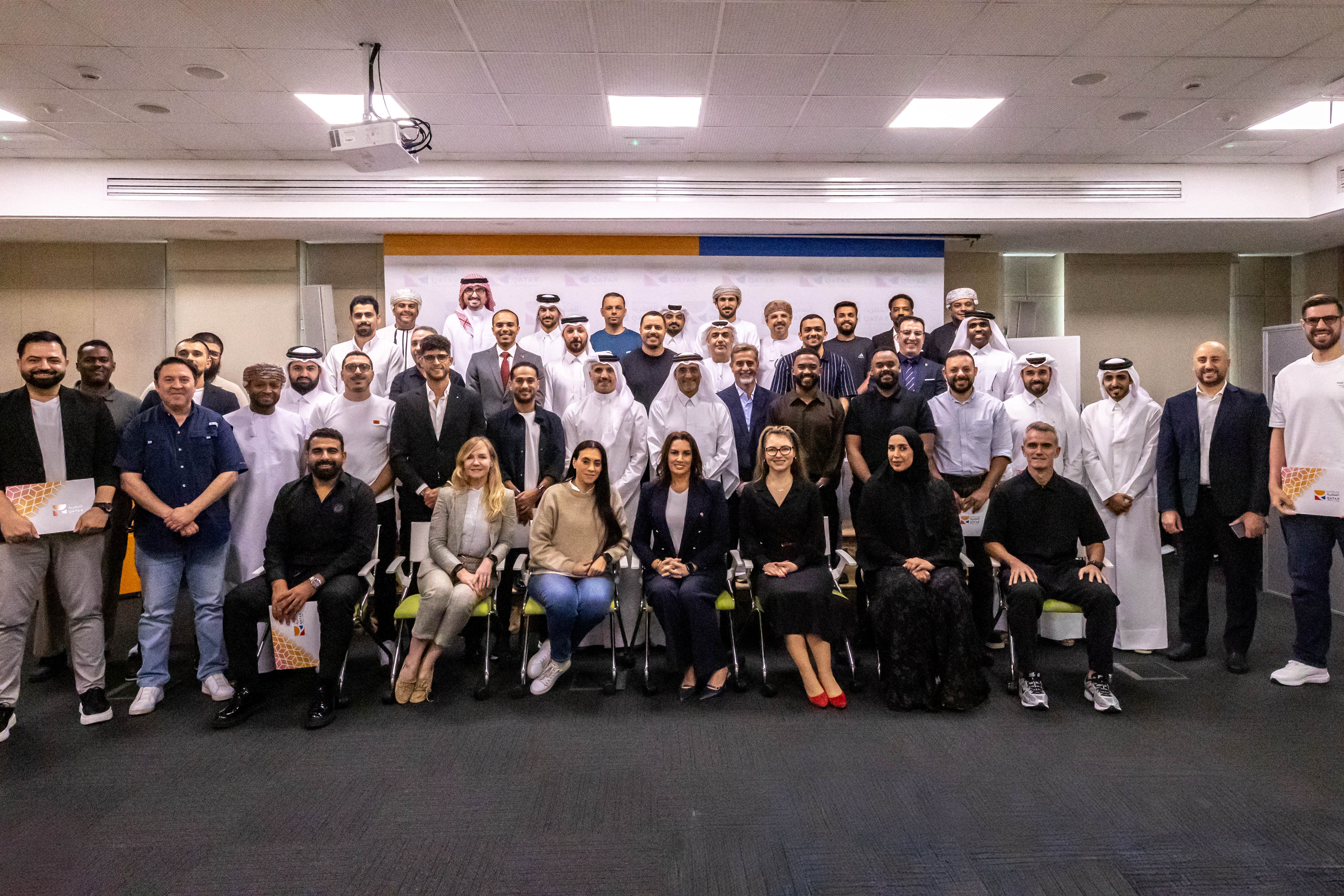
Doha, Qatar As part of its mission to develop sports and administrative competencies and build national and regional capacities capable of leading the sports sector in line with international best practices, the Qatar Olympic Academy successfully concluded its "Major Sports Events Management" course. The program was delivered as part of the Academy’s educational and training agenda for the current year and forms part of a series of specialized courses focusing on the organization and management of major sports championships, events, and sporting occasions.
Conclusion of the Fifth Module, “Marketing Management in Sports and Olympic Organizations,” of the Sports Management Diploma Program
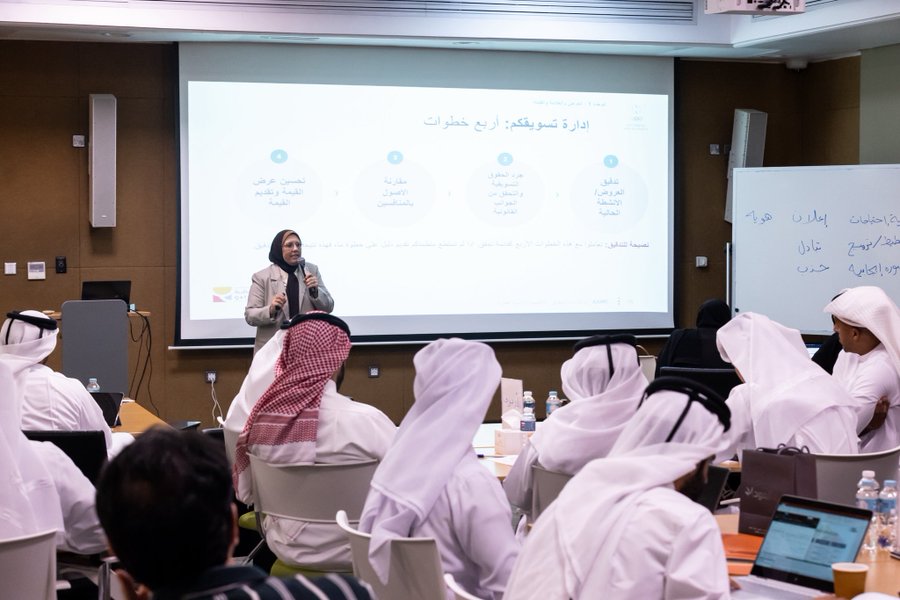
Doha, Qatar As part of its mission to develop national and Arab professionals working in the sports sector, the Qatar Olympic Academy continued the delivery of its Sports Management Diploma Program, accredited by the International Olympic Committee (IOC), Olympic Solidarity, and the International Olympic Academy. The Academy recently concluded the fifth module of the program, entitled “Marketing Management in Sports and Olympic Organizations,” held on 12 and 13 October 2026, with the participation of 54 male and female students representing a distinguished group of learners and professionals from sports organizations, committees, clubs, and sports federations, covering a wide range of professional and academic disciplines.
Closing of the Physical Education Teachers Preparation Course in Light of Olympic Values
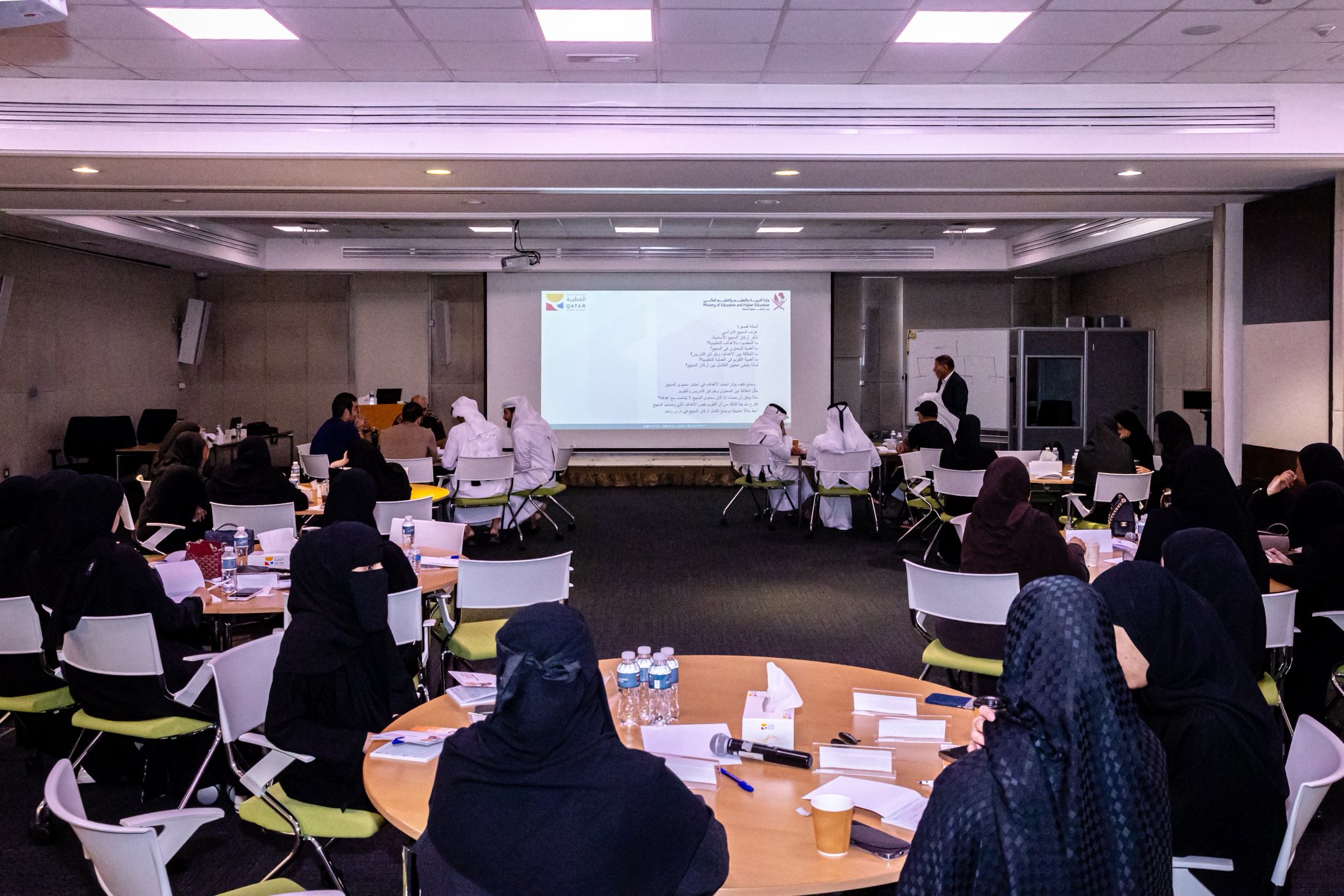
Doha, Qatar As part of its ongoing efforts to contribute to the development of Qatar’s national sports and educational systems, the Qatar Olympic Academy, in cooperation with the Ministry of Education and Higher Education, successfully delivered the “Physical Education Teachers Preparation Course in Light of Olympic Values.” The course was designed for Level One Physical Education teachers in the State of Qatar and formed part of a comprehensive program aimed at enhancing teachers’ professional competencies and preparing them to keep pace with modern developments in education, physical education, and school sports.