
Doha, October 2, 2025:
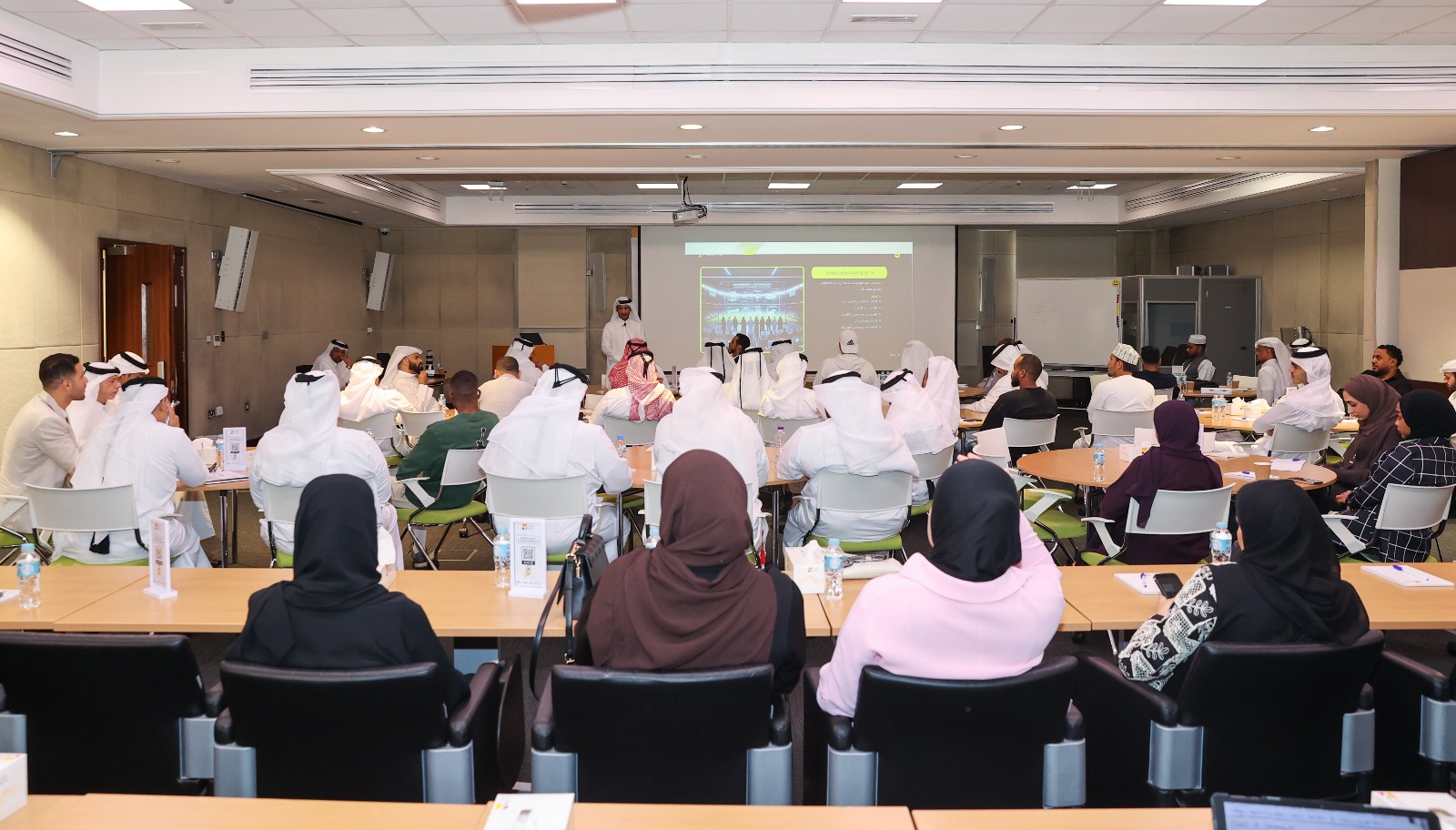
The Qatar Olympic Academy has successfully wrapped up its training course on "Sports Facilities Management," a three-day program that ran from Tuesday, September 30, to Thursday, October 2.
This initiative forms part of the Academy's diverse annual agenda for 2025, aimed at advancing expertise in sports administration.The course attracted over 80 participants from within Qatar and abroad, representing a wide array of academic and professional backgrounds, including sports, administration, security, education, and other sectors.
This broad turnout underscores the growing interest across society in enhancing skills related to sports events in general and the management of sports facilities in particular.As one of the most sought-after programs for the broader community and especially the sports sector, the course aligns with the region's vibrant sports landscape.
Qatar and the surrounding areas are experiencing a significant surge in sports tourism, hosting major championships, events, and activities, both currently and in the coming years.
The sessions were delivered by Engineer Saud Abdullah Al Dulaimi, who serves as Business Development Manager at Barwa Real Estate Company, as well as a board member and Secretary-General of the Qatari Engineers Association.
With extensive expertise in the construction and management of sports facilities, Al Dulaimi has previously contributed to teams responsible for developing numerous prominent sports venues in Qatar.
He has also been involved in several major sports events hosted by the country.During the course, Al Dulaimi emphasized the critical role of practical experience in bolstering theoretical and academic knowledge. He highlighted Qatar's successful model in managing sports facilities, drawing from its hosting of global events like the FIFA World Cup 2022, which can be replicated regionally.
He also discussed ambitious plans to host even larger international tournaments in the future.The program focused on key areas designed to build participants' administrative capabilities. Among the highlights was managing teams for organizing championships within sports facilities, including discussions on coordinating efforts across various groups to ensure seamless operations.The course also covered logistical planning and infrastructure, with an emphasis on designing facilities to meet the demands of large-scale events, incorporating environmental sustainability and adaptation to climate change.
Al Dulaimi addressed mechanisms for selecting sports venues to host events, as well as preparing facilities before construction, prior to tournaments, during events, and afterward. The scope extended beyond stadiums to include equipping hotels, accommodations, service offices, and other related infrastructure.Sustainability in major sports events was a key topic, with reviews of significant achievements from the World Cup, such as environmental conservation, recycling initiatives, emission reduction strategies, and optimal uses of technology in large-scale gatherings.On the second day, the focus shifted to human resources management and workforce planning for major events. This included workforce selection methods, specific needs for various tournament departments, and creating an ideal work environment.
Strategic planning and infrastructure were also explored, covering pre-event, during-event, and post-event preparations.
Additional topics included crowd management and controlling spectator flow inside and outside facilities, alongside marketing and promotion strategies to enhance the commercial appeal of venues during major activities.
Participants then moved to a practical session at Al Duhail Arena, the headquarters of the Qatar Handball Association.
Recognized as one of the region's premier sports halls, it hosted the IHF World Men's Handball Championship – Qatar 2015 and numerous other major events.
The venue is also gearing up to host the FIBA Basketball World Cup – Qatar 2027, marking a historic first for the Middle East.The third day delved into security and safety management, reviewing global best practices to protect spectators and athletes amid contemporary security challenges.
The course examined problem-solving and crisis management for sports facilities, featuring real-world examples from past Qatari-hosted tournaments, such as handling emergencies during events.
Other modules encompassed financial management of facilities, integration with modern technologies like artificial intelligence for monitoring, and post-event planning to ensure long-term sustainability and utilization.
In this context, Khalil Ibrahim Al Jaber, Executive Director of the Qatar Olympic Academy, stated: "We are thrilled with the large number of participants joining us at the Academy from both inside and outside the country.
We are proud to have Engineer Saud Al Dulaimi as our lecturer, sharing insights from his extensive experience in this field as one of Qatar's leading talents in the sector.
"Al Jaber added: "Last month, we offered a course on managing major sports events, which serves as a vital entry point into organizing tournaments and activities. It saw significant interest in this area of knowledge.
We then progressed to more specialized content with sports facilities management, and soon we will move to another key topic: managing athletes' villages, as seen in Olympic, Asian, and major multi-sport Games. This aims to foster a more informed community equipped with comprehensive knowledge to organize events with high professionalism.
"The Executive Director further emphasized: "The importance of these courses stems from Qatar's strong sports orientation, as it hosts premier global and regional championships. The nation believes in the role of sports in individual and societal life, as well as the value of sports tourism.
Qatar places great emphasis on the science of event organization, viewing it as a strategic foundation for the national sports movement. The state has invested significantly in this area, recognizing its returns across all levels for the country and national sports organizations.
"Al Jaber confirmed that the Qatar Olympic Academy is currently developing its upcoming agenda to make it more inclusive and diverse, reaching the widest possible audience—this remains the Academy's core objective.
More news

Qatar Olympic Academy Concludes “Sports Policies and Legal Frameworks in Sport” Course
Doha, September 30, 2026 The Qatar Olympic Academy successfully concluded its Sports Policies and Legal Frameworks in Sport course, held over three days from September 28 to 30, 2026, with the participation of professionals and stakeholders from the sports sector both within and outside the State of Qatar. Participants represented various governmental and private sector organizations and came from diverse professional and academic backgrounds.
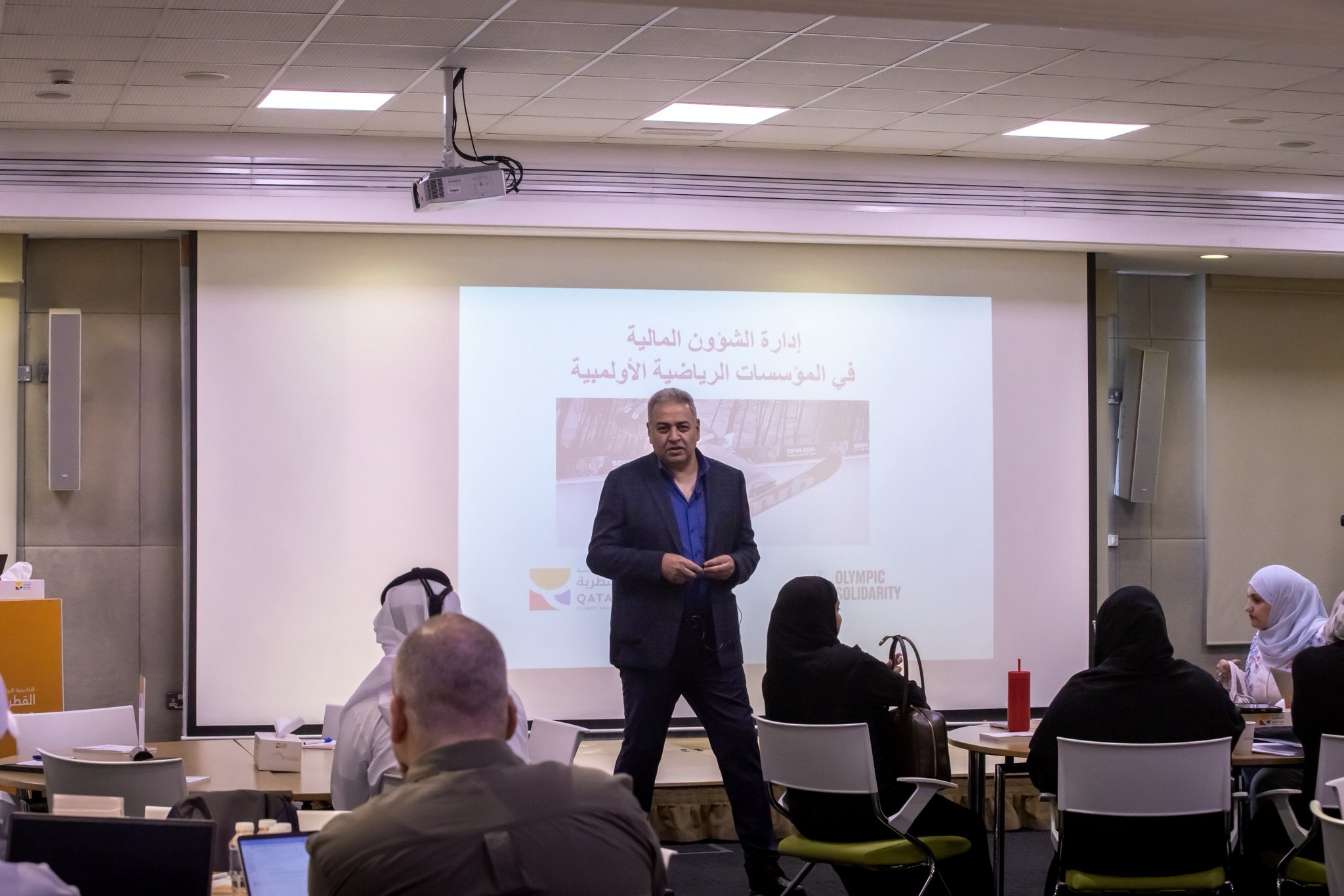
Qatar Olympic Academy Concludes Module on Financial Management in Sports Organizations
Doha, Qatar The Qatar Olympic Academy has concluded the fourth module of its Sports Management Diploma Program, titled “Financial Management in Sports Organizations,” as part of the Academy’s ongoing efforts to develop and empower sports and administrative professionals while enhancing their knowledge and skills across various disciplines related to modern sports management.
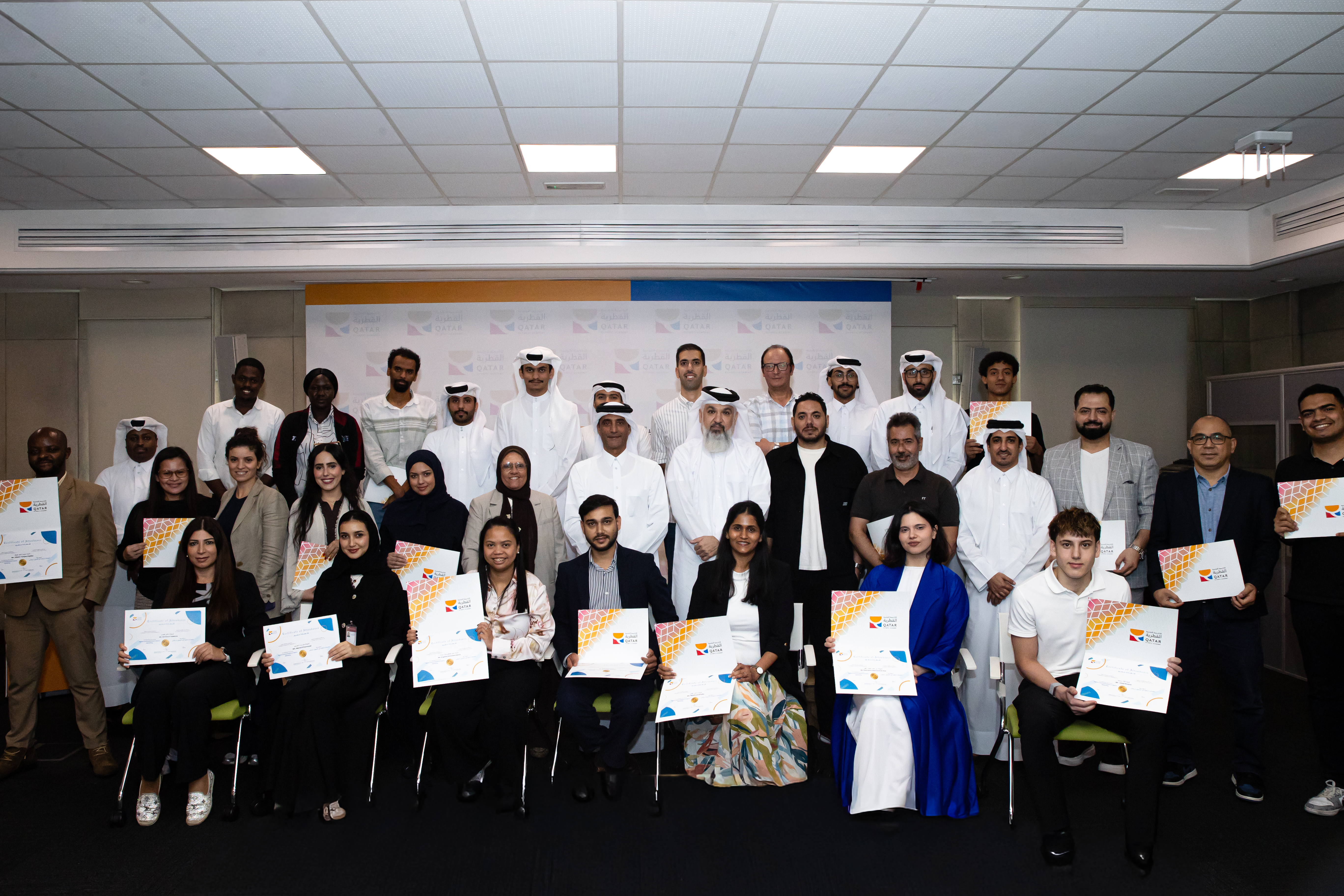
Qatar Olympic Academy Concludes "Digital Communications in Sports Marketing" Course
Doha, Qatar The Qatar Olympic Academy has concluded its Digital Communications in Sports Marketing course, held at the Academy's headquarters from 31 August to 3 September 2026, as part of the diverse programs and courses offered within the Academy's 2026 academic calendar. The course aimed to develop the capabilities of professionals and individuals interested in the sports sector while keeping pace with the rapid developments in marketing, media, and digital communications.