

Doha:
The Qatar Olympic Academy invited the Sports Impact Researchers (SIR) team from Qatar University who are currently conducting research about organizing mega sports events in Qatar and their impact on public value creation and capacity building in the higher education and sport sectors. Their research is funded by the Qatar Research and Development Innovation Council (QRDIC) for a period of three years.
The comprehensive study about hosting the World Aquatics Championship 2024 measures the public opinion about the event across various dimensions like engagement level, awareness and knowledge about the sport, services delivered and the overall event experience. The study also measured the level of satisfaction amongst both athletes and masters athletes as well as social interactions and the process of capacity building amongst sports federations and organizing entities related to the event like the World Aquatic Bureau. "It is always a pleasure to seek the feedback and insights of the various stakeholders involved in the event starting from spectators to athletes and the organizing entities" said Mr. Khalil Al-Jaber, (Director of the World Aquatic Championship and the Qatar Olympic Academy Director).
Dr. Dalia Farrag, Lead Principal Investigator and Professor of Marketing at Qatar University, emphasized the study’s innovative approach "The World Aquatics Championship study has provided us with invaluable insights into the multifaceted impact of hosting mega sports events, The study's findings highlight the essential role of these events in enhancing national pride, identity, and the international reputation of Qatar”.
Moving forward, the research aims to delve deeper into these areas and explore additional dimensions such as the environmental impacts of hosting such events, the long-term economic benefits to the local economy, and the ways in which these events can enhance community cohesion and national pride. Our goal is to develop a comprehensive understanding of the ripple effects that such large-scale events have on a host nation, helping to shape future events that are not only successful but also sustainable and beneficial in multiple facets.
More news

Qatar Olympic Academy Concludes “Sports Policies and Legal Frameworks in Sport” Course
Doha, September 30, 2026 The Qatar Olympic Academy successfully concluded its Sports Policies and Legal Frameworks in Sport course, held over three days from September 28 to 30, 2026, with the participation of professionals and stakeholders from the sports sector both within and outside the State of Qatar. Participants represented various governmental and private sector organizations and came from diverse professional and academic backgrounds.
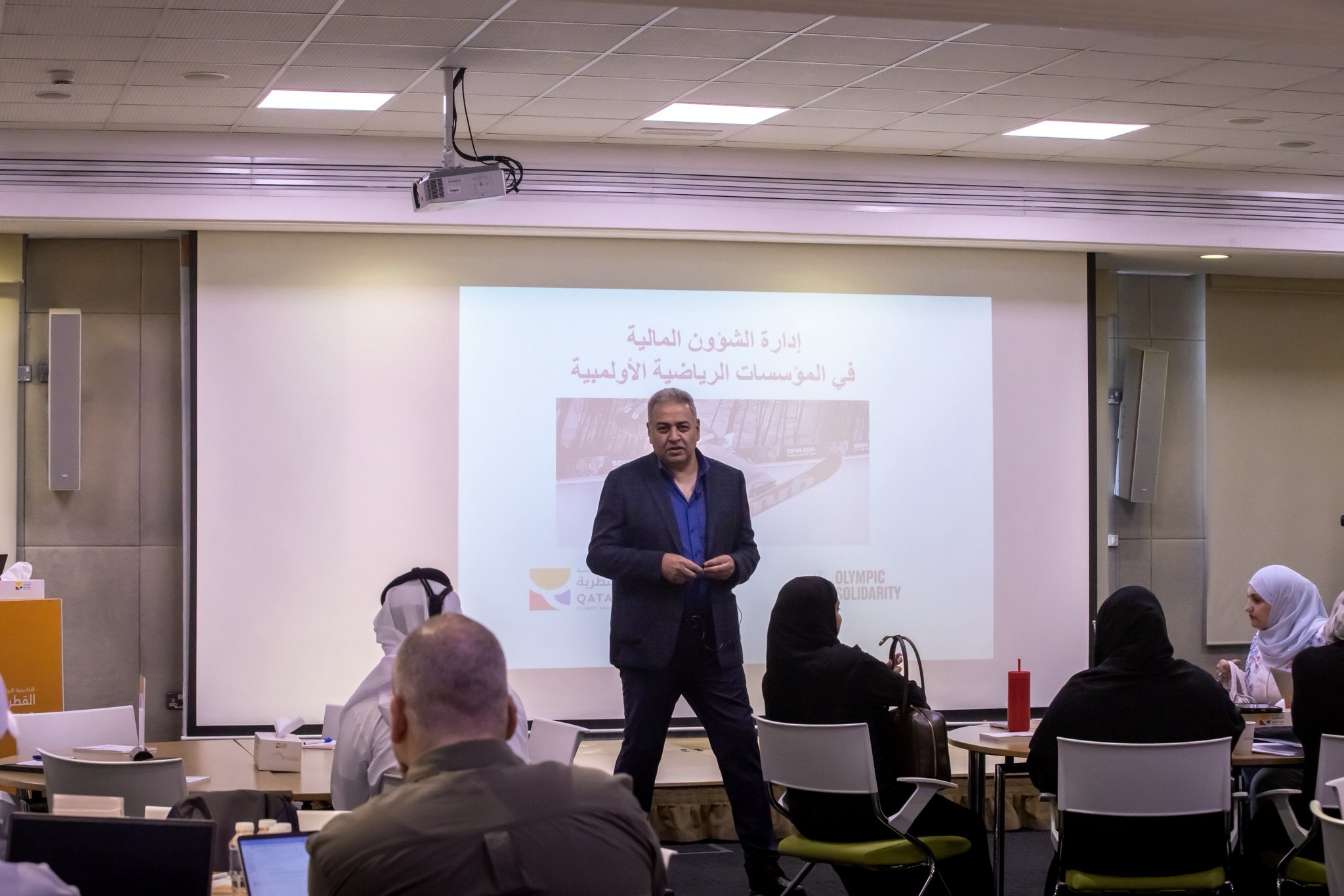
Qatar Olympic Academy Concludes Module on Financial Management in Sports Organizations
Doha, Qatar The Qatar Olympic Academy has concluded the fourth module of its Sports Management Diploma Program, titled “Financial Management in Sports Organizations,” as part of the Academy’s ongoing efforts to develop and empower sports and administrative professionals while enhancing their knowledge and skills across various disciplines related to modern sports management.
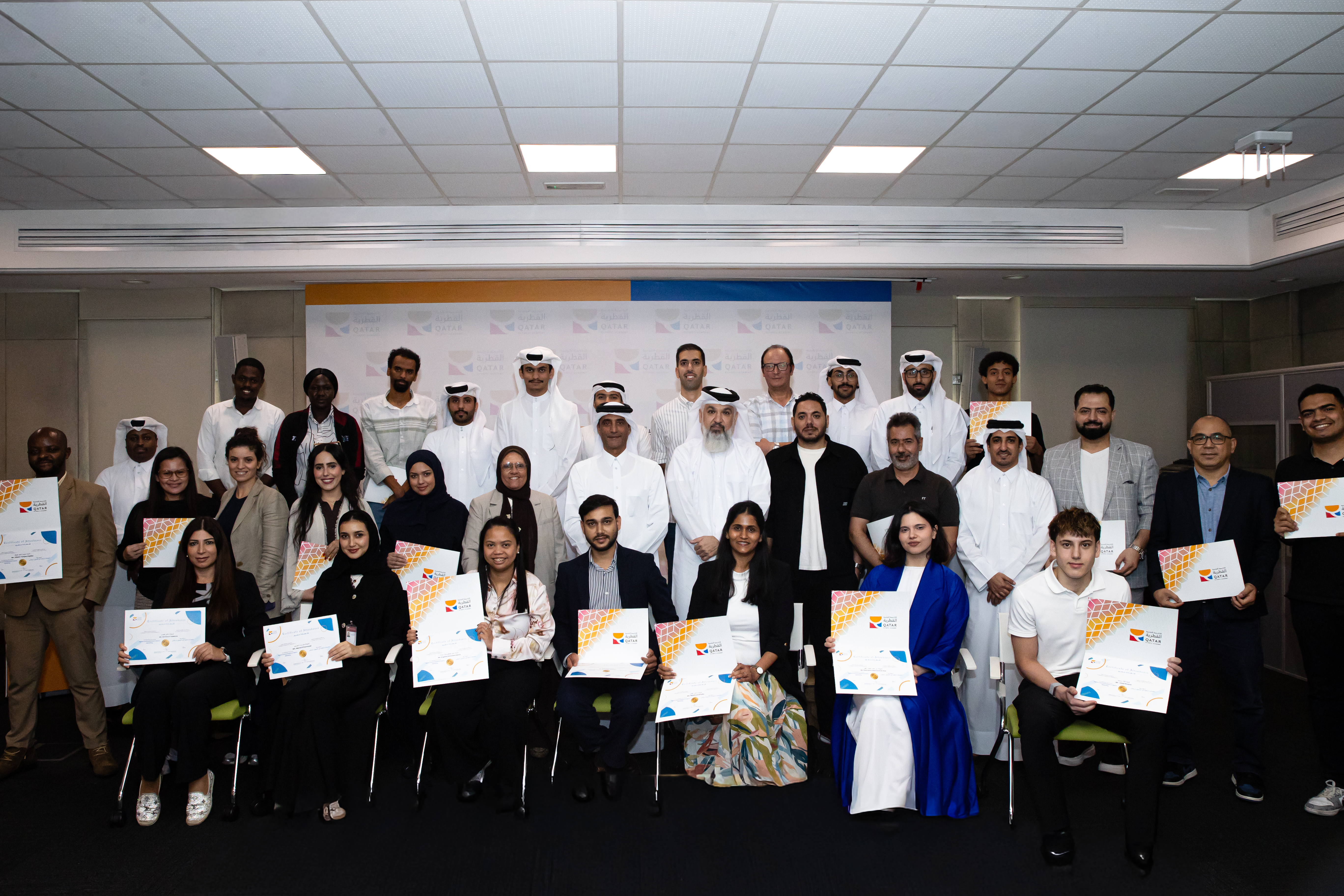
Qatar Olympic Academy Concludes "Digital Communications in Sports Marketing" Course
Doha, Qatar The Qatar Olympic Academy has concluded its Digital Communications in Sports Marketing course, held at the Academy's headquarters from 31 August to 3 September 2026, as part of the diverse programs and courses offered within the Academy's 2026 academic calendar. The course aimed to develop the capabilities of professionals and individuals interested in the sports sector while keeping pace with the rapid developments in marketing, media, and digital communications.