

Doha:
Qatar Olympic Academy concluded the Modern Management Course in Sports Institutions (Management 2), the second qualifying program to enter the Diploma in Sports and Olympic Institutions Management program held by the Academy this year in its thirteenth edition.
The Academy organizes this program in cooperation with the Olympic Solidarity at the International Olympic Committee, as part of a series of annual courses to educate the community about Olympic culture, which was held over five days during the period from the eighth to the twelfth of this October, with the participation of a large turnout of students interested in administrative work in the field of sports, both from inside and outside the State of Qatar, this program graduated many sports leaders at the level of the region in general and in the Gulf Cooperation Council in particular.
This course was presented by IOC-accredited lecturer Dr. Ali Al-Bakri, Director of the Diploma in Sports and Olympic Institutions Management Program, who is renown in this field.
In this course, Dr. Ali Al-Bakri talked about management skills in the field of sports, such as the benefits of good communication and effective communication, which leads to an increase in communication efficiency that leads to a decrease in the number of errors, increases the person's motivation for higher achievements, communication reduces the costs of the institution and reduces work errors, which facilitates understanding the wishes of shareholders.
He also talked about work environment management and time management in sports institutions through meetings between work teams, whether they are employees or various stakeholders, and what is the importance of time management during any work in order to reach the desired success, in addition to other topics, most notably technical management, activities and events management, as well as human resources management.
It is worth mentioning that this course is considered the second part of the Sports Management Diploma Program, while the first part was under the name of the Principles of the Olympic Movement in the Sports System course, the course was presented by the Omani lecturer, Mr. Hisham Al-Adwani, Vice President of the Oman School Sports Federation, Director of the Sports Management Diploma Program at the International Olympic Committee, and the international lecturer in sports management science accredited by the International Olympic Committee, who held many positions in the field of administrative work in Omani sports.
More news

Qatar Olympic Academy Concludes “Sports Policies and Legal Frameworks in Sport” Course
Doha, September 30, 2026 The Qatar Olympic Academy successfully concluded its Sports Policies and Legal Frameworks in Sport course, held over three days from September 28 to 30, 2026, with the participation of professionals and stakeholders from the sports sector both within and outside the State of Qatar. Participants represented various governmental and private sector organizations and came from diverse professional and academic backgrounds.
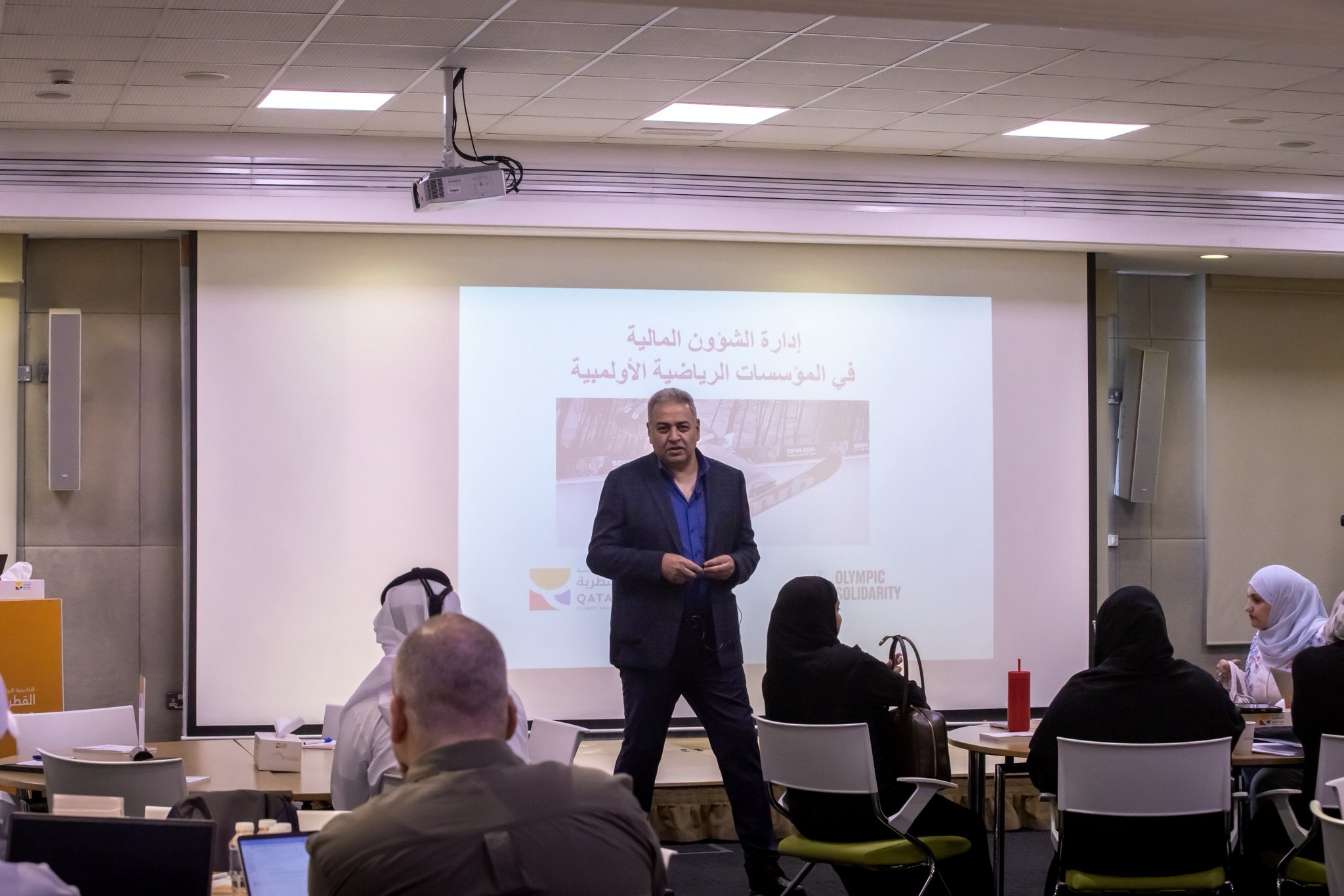
Qatar Olympic Academy Concludes Module on Financial Management in Sports Organizations
Doha, Qatar The Qatar Olympic Academy has concluded the fourth module of its Sports Management Diploma Program, titled “Financial Management in Sports Organizations,” as part of the Academy’s ongoing efforts to develop and empower sports and administrative professionals while enhancing their knowledge and skills across various disciplines related to modern sports management.
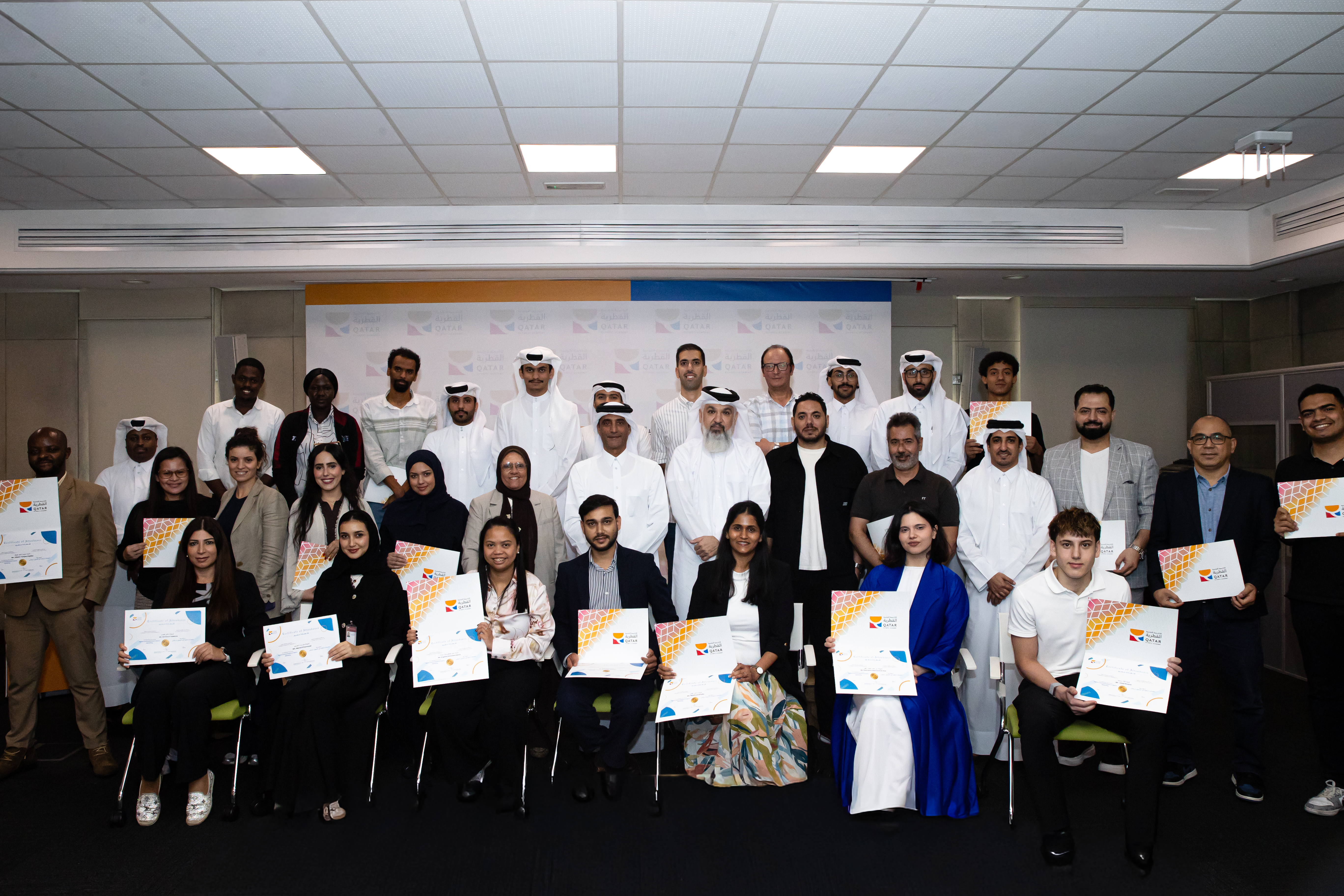
Qatar Olympic Academy Concludes "Digital Communications in Sports Marketing" Course
Doha, Qatar The Qatar Olympic Academy has concluded its Digital Communications in Sports Marketing course, held at the Academy's headquarters from 31 August to 3 September 2026, as part of the diverse programs and courses offered within the Academy's 2026 academic calendar. The course aimed to develop the capabilities of professionals and individuals interested in the sports sector while keeping pace with the rapid developments in marketing, media, and digital communications.