
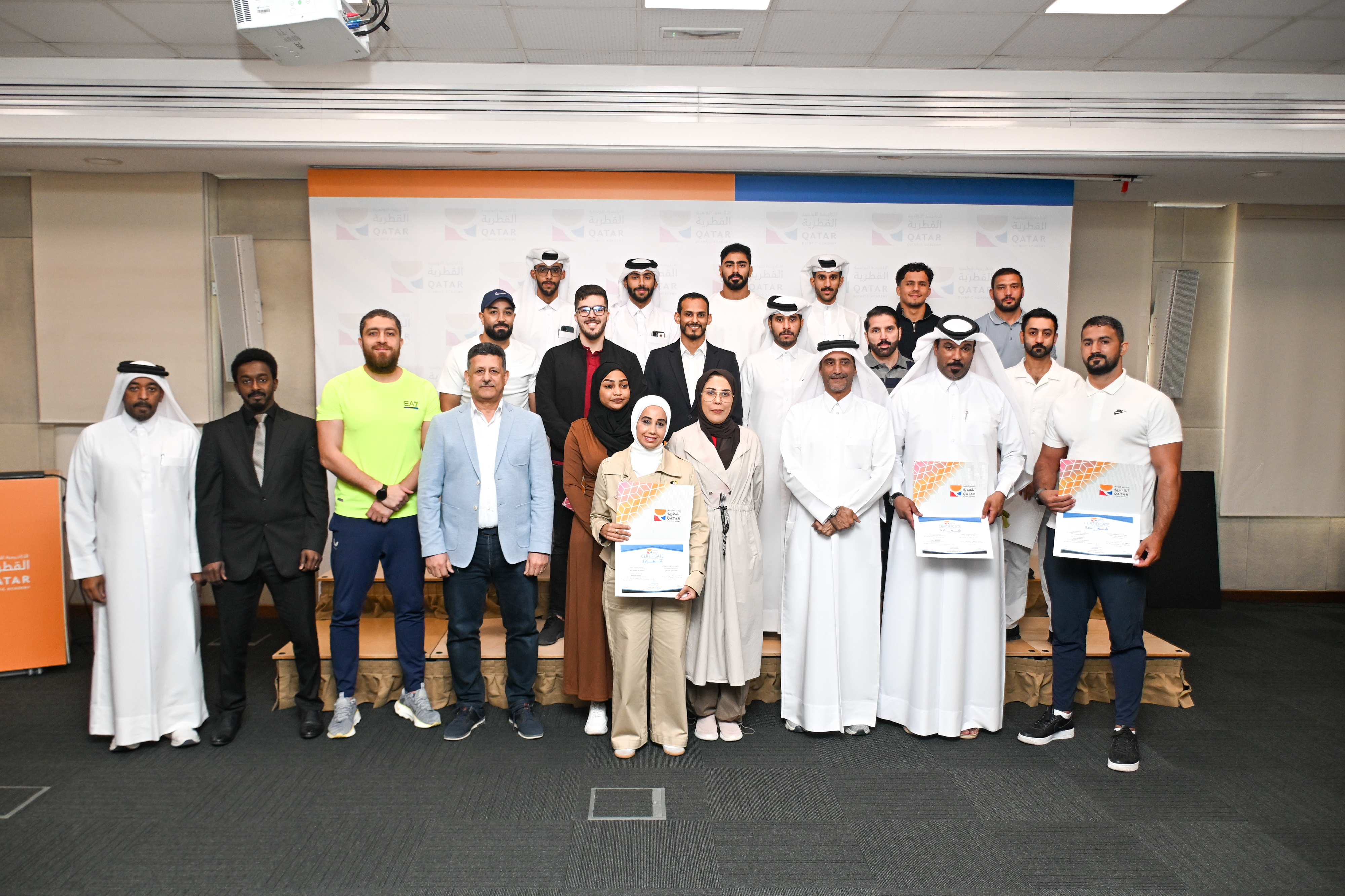
Doha – October 30, 2025 :
The Qatar Olympic Academy has successfully concluded one of its key training programs for the year, the "Sports Nutrition" course.
This initiative forms part of the academy's broader awareness campaigns aimed at fostering a healthier community.
The academy prioritizes including such courses in its annual agenda to disseminate the latest advancements in the field to the widest possible audience.
The five-day course, held from October 26 to 30, 2025, attracted over 30 participants from within Qatar and abroad, representing diverse professional and academic backgrounds. Attendees included sports coaches, nutrition specialists, university students, and practitioners in sports and health-related fields.
This program underscores the academy's commitment to enhancing scientific awareness in sports and highlights its close partnership with Qatar University, particularly the College of Sports Sciences.
The sessions were delivered by Dr. Maha Al Salami, Head of the Sports Training Department at Qatar University's College of Sports Sciences and a prominent expert in sports nutrition. The course focused on core scientific topics designed to equip participants with accurate, practical knowledge to optimize athletes' performance and health.
On the first day, Dr. Al Salami addressed "Defining Sports Nutrition and Its Importance," explaining that it is a science centered on using food and fluids to enhance athletic performance, prevent injuries, and promote recovery. She emphasized that it is not a generic diet but a tailored plan based on individual needs, such as the type of sport, age, gender, and health status. Highlighting its significance, she noted that it boosts energy, improves focus, and reduces fatigue risks, citing studies showing that athletes following balanced nutrition plans achieve up to 20% better results in certain sports.
In the second session of the day, she covered "How to Obtain Reliable Information on Sports Nutrition," warning participants about misinformation rampant on social media and the internet. She stressed relying on credible sources like international sports nutrition associations or peer-reviewed scientific journals. Dr. Al Salami provided practical tips for evaluating information, such as verifying the author's credentials, checking for scientific references, and avoiding quick-fix claims like "lose weight in a week." She conducted an interactive exercise where participants analyzed popular posts to distinguish facts from fiction.
The second day delved into "Facts and Myths in Sports Nutrition," where Dr. Al Salami debunked common misconceptions, such as the belief that excessive protein intake automatically builds muscle without exercise or that all dietary fats cause obesity. She clarified that balance is key, noting that healthy fats from sources like avocados and nuts are essential for hormone production and vitamin absorption. Drawing examples from global athletes like Michael Phelps, who relies on a carbohydrate-rich diet for swimming, she illustrated the difference between evidence-based facts and myths. The session encouraged participant questions, leading to lively discussions that extended for hours.
Day three focused on "Personal Needs for Athletes" and "Requirements for Endurance Sports vs. Strength Sports and Their Differences." Dr. Al Salami explained how to calculate daily calorie needs using formulas like Harris-Benedict, adjusted for activity levels. She highlighted that endurance athletes, such as long-distance runners or cyclists, require higher carbohydrate intake for glycogen storage, while strength sports like weightlifting emphasize protein for muscle repair. Practical examples included a soccer player needing up to 5,000 calories daily compared to 3,000 for an average person. Participants engaged in a workshop to compute their own needs using simple tools like mobile apps.
The fourth day explored "Nutrition and Hydration Strategies for Endurance Sports" and "Calculating Needs in Strength Sports." Dr. Al Salami underscored the importance of hydration, pointing out that a 2% body weight loss due to dehydration can reduce performance by 10%. She recommended strategies like consuming 500 ml of water before exercise and using electrolyte drinks during prolonged activities. For strength sports, she advised distributing protein across meals (about 1.6-2.2 grams per kilogram of body weight), with meal examples like chicken with rice or yogurt with fruits. Visual aids, such as charts, helped clarify distinctions between the two sports categories.
The course culminated on the fifth day with discussions on "Sports Nutritional Supplements and Anti-Doping" and "Supplements for Endurance and Strength Sports." Dr. Al Salami cautioned against the risks of performance-enhancing drugs, referencing the World Anti-Doping Agency (WADA) regulations, and emphasized that supplements should be evidence-based, such as creatine for strength or beta-alanine for endurance. She discussed safe options like vitamins and amino acids while warning about unverified products that may contain banned substances. The day ended with an intensive Q&A session where participants shared personal experiences.
Khalil Al Jaber, Executive Director of the Qatar Olympic Academy, expressed his delight at the course's success, stating: "This program is part of a series of initiatives, courses, and workshops aimed at building and developing the capabilities of sports personnel, whether athletes, coaches, administrators, or even community members engaged in physical activity.
"He added: "Organizing such courses reflects our commitment to advancing sports cadres in Qatar and the region as a whole. Mastery of sports nutrition sciences is a fundamental element of success. This field is vast and ever-evolving, which is why the academy ensures this course is held annually and prioritized in our programming. Its importance extends beyond athletes to the general public, contributing to a healthy, ideal society that combats obesity, poor eating habits, and widespread misinformation.
"Regarding the collaboration with Qatar University, Al Jaber said: "Our ongoing partnership with Qatar University, specifically the College of Sports Sciences, represents a strategic alliance that elevates awareness of sports sciences in communities. This will foster a sound athletic society, and we look forward to more joint programs focusing on modern sports sciences to support Qatar National Vision 2030."Dr. Maha Al Salami, the course lecturer, commented: "The outcomes of this course were exceptional. Participants gained practical skills in designing customized nutrition plans and became adept at distinguishing accurate information from myths. I believe this will enhance athletes' performance and benefit the broader community.
"She added: "Collaborating with the Qatar Olympic Academy elevates the quality of sports education, and we anticipate long-term positive impacts on public health in society."
More news

Qatar Olympic Academy Concludes “Sports Policies and Legal Frameworks in Sport” Course
Doha, September 30, 2026 The Qatar Olympic Academy successfully concluded its Sports Policies and Legal Frameworks in Sport course, held over three days from September 28 to 30, 2026, with the participation of professionals and stakeholders from the sports sector both within and outside the State of Qatar. Participants represented various governmental and private sector organizations and came from diverse professional and academic backgrounds.
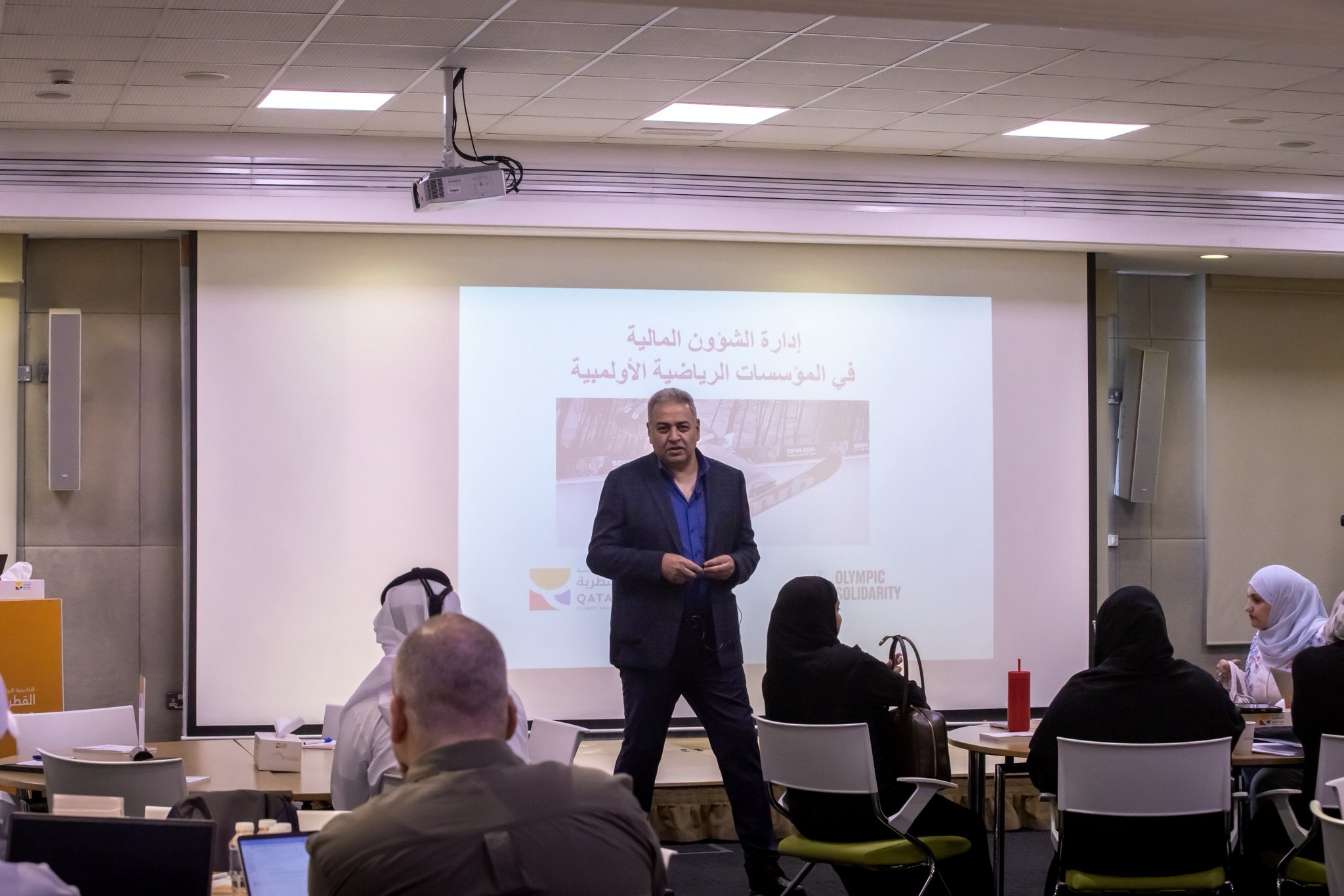
Qatar Olympic Academy Concludes Module on Financial Management in Sports Organizations
Doha, Qatar The Qatar Olympic Academy has concluded the fourth module of its Sports Management Diploma Program, titled “Financial Management in Sports Organizations,” as part of the Academy’s ongoing efforts to develop and empower sports and administrative professionals while enhancing their knowledge and skills across various disciplines related to modern sports management.
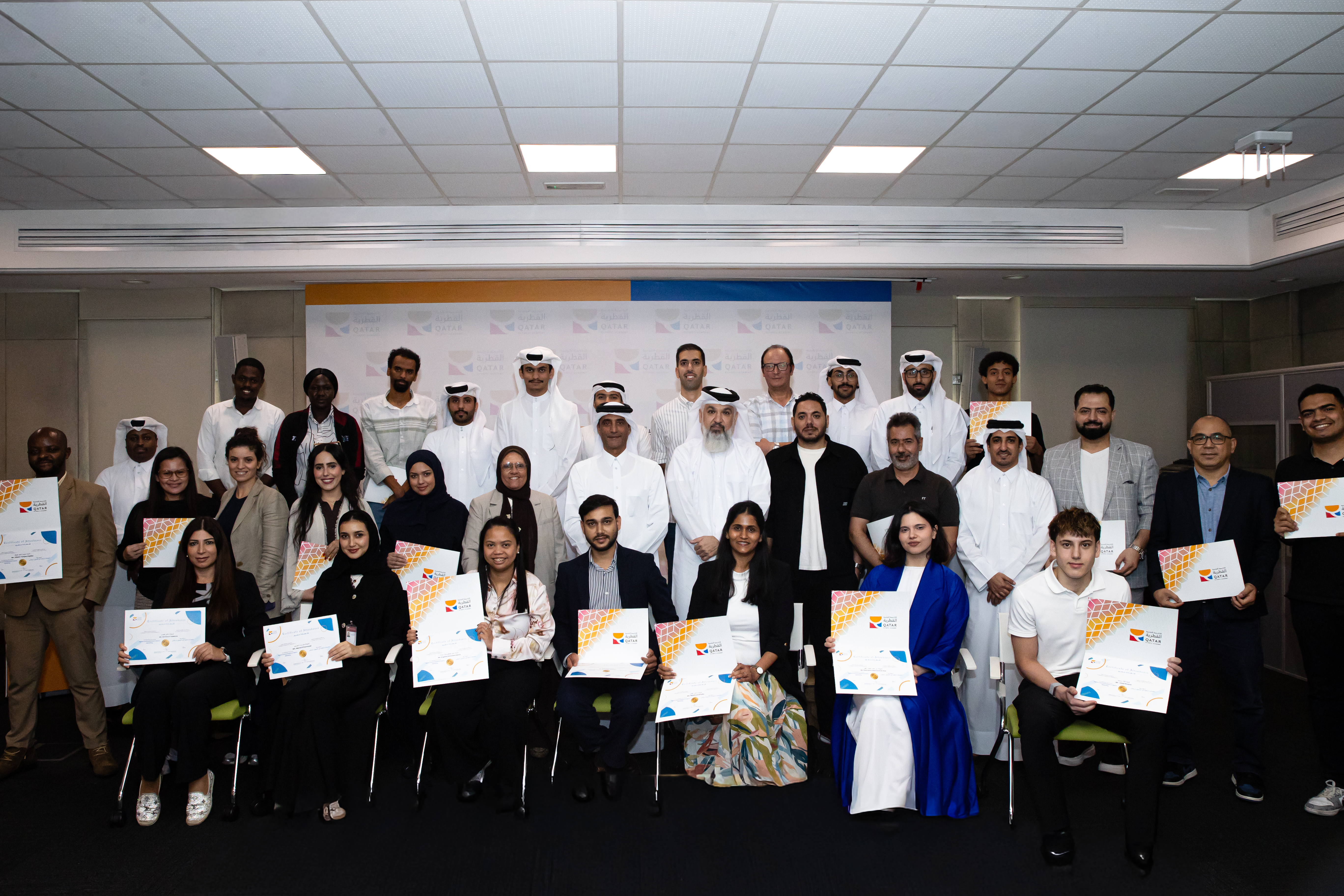
Qatar Olympic Academy Concludes "Digital Communications in Sports Marketing" Course
Doha, Qatar The Qatar Olympic Academy has concluded its Digital Communications in Sports Marketing course, held at the Academy's headquarters from 31 August to 3 September 2026, as part of the diverse programs and courses offered within the Academy's 2026 academic calendar. The course aimed to develop the capabilities of professionals and individuals interested in the sports sector while keeping pace with the rapid developments in marketing, media, and digital communications.