

Doha – February 2026:
The Qatar Olympic Academy has concluded its five-day course on “Physical Activity and Autism”, held from February 1 to 5 at the Academy’s headquarters. The program witnessed wide participation of more than forty male and female trainees from inside and outside Qatar, representing diverse professional and academic fields related to physical education, sports training, special education, and the humanities, in addition to a number of parents of children with Autism Spectrum Disorder (ASD).
This course comes as part of the Academy’s ongoing success in organizing specialized programs in this field. Previous initiatives included courses on integrating persons with disabilities into physical education classes and effective sports training strategies for individuals with ASD, culminating in this year’s program on physical activity and autism. The initiative reflects the Academy’s commitment to enhancing scientific and practical knowledge in integrating individuals with ASD into sports activities, and to developing the capacities of professionals working in this area, in line with Qatar’s vision of supporting “Sport for All” and promoting values of inclusivity and social integration.
The lectures were delivered by Professor Omar Hindawi, Dean of the Faculty of Physical Education and Sport Sciences at Al al-Bayt University in Jordan, President of the Jordan Paralympic Committee, and member of the West Asia Federation for Disability Sport. Professor Hindawi is recognized as one of the leading Arab experts in physical education and sports training for persons with disabilities. Over four days, he presented both theoretical and practical sessions covering the course’s four main themes, enriched with real-life examples and case studies, which added significant scientific and practical value to the program.
Theme One: Understanding Autism Spectrum Disorder (ASD)
The course began with a comprehensive scientific overview of ASD. Professor Hindawi explained that autism is not a single condition but a broad spectrum that varies from one individual to another, characterized by challenges in social communication, repetitive behavioral patterns, and heightened or reduced sensitivity to sensory stimuli.
- Scientific Definition: Review of the latest medical and psychological definitions of ASD, with emphasis on globally recognized diagnostic criteria.
- Prevalence and Statistics: Discussion of global and regional prevalence rates and the importance of recognizing the scale of the societal challenge.
- Implications for Physical Activity: Highlighting the need to understand each individual’s characteristics as the first step toward designing appropriate sports programs.
Participants engaged in extensive discussions, raising questions on differentiating between levels of autism and the impact on physical ability and social interaction during sports training.
Theme Two: Communication and Behavior Management in Sports Training
This section focused on practical aspects of daily interaction with individuals with ASD during sports activities.
- Communication Strategies: Use of visual aids, simplified instructions, and structured repetition.
- Behavior Management: Approaches to handling difficult or unexpected behaviors such as tantrums or withdrawal, emphasizing patience and flexibility.
- Role of the Coach: Stressing that sports coaches must go beyond teaching physical skills to provide psychological and social support, building trust with trainees.
Practical exercises were conducted in sports halls, where participants simulated real-life scenarios and learned how to adapt their methods to individual needs.
Theme Three: Sports Training Techniques for Individuals with ASD
This part addressed the technical aspects of physical activity and sports training.
- Motor Exercises: Presentation of exercises designed to stimulate core motor skills such as balance, coordination, and flexibility.
- Progressive Training: Importance of starting with simple exercises and gradually advancing to more complex ones, tailored to individual abilities.
- Motivation and Encouragement: Emphasis on positive reinforcement, including symbolic rewards and verbal praise.
- Assistive Technology: Demonstration of smart devices and digital applications for performance monitoring and feedback.
This theme attracted strong interest, particularly from coaches and teachers, who discussed practical applications in schools and sports clubs.
Theme Four: Applying Knowledge and Building Sustainable Programs
The course concluded with a strategic focus on transforming acquired knowledge into sustainable programs.
- Program Design: Training participants to develop comprehensive training plans with short- and long-term goals.
- Sustainability: Highlighting the importance of family and community involvement to ensure continuity and effectiveness.
- Evaluation and Follow-Up: Introduction of tools to measure progress and review performance periodically, allowing for program adjustments.
- Institutional Integration: Stressing the need for collaboration among educational, sports, and health institutions to provide a holistic environment for individuals with ASD.
Participant Engagement and Impact
Participants expressed deep appreciation for the scientific and practical level of the course, affirming that it provided them with new experiences that will positively impact their daily work. The program also facilitated fruitful exchanges among participants from different countries, enhancing its value as a platform for regional and international cooperation in this field.
Closing Remarks
At the conclusion of the course, Mr. Khalil Al Jaber, Executive Director of the Qatar Olympic Academy, stated:
“Organizing this course reflects the Academy’s commitment to supporting sport as a means of community development and to promoting values of inclusivity and integration.”
He added:
“We are pleased with the scientific level presented by Professor Omar Hindawi and the strong interaction from participants, who exceeded forty trainees from Qatar and abroad, representing a distinguished group of professionals in sports and special education. The participation of parents is a significant step in the right direction, contributing to successful examples in the world of sports and athletes.”
Mr. Al Jaber emphasized that investing in building the capacities of specialists will positively impact the lives of individuals with ASD, granting them greater opportunities for integration and active participation in society. He concluded:
“With this course, the Qatar Olympic Academy has added another milestone in its journey toward developing sport for all. It demonstrates that caring for individuals with ASD is not merely a humanitarian duty, but an investment in a more inclusive and just future. The course stands as a model that combines theoretical knowledge with practical application, empowering participants with the tools needed to drive positive change in their communities.”
أكثر الأخبار

الأكاديمية الأولمبية القطرية تختتم دورة «السياسات الرياضية والأطر القانونية في الرياضة»
الدوحة - 30 سبتمبر 2026 اختتمت الأكاديمية الأولمبية القطرية دورة السياسات الرياضية والأطر القانونية في الرياضة، التي أُقيمت على مدار ثلاثة أيام خلال الفترة من 28 إلى 30 سبتمبر 2026، بمشاركة عدد من العاملين والمهتمين بالقطاع الرياضي من داخل دولة قطر وخارجها، ومن مختلف القطاعات الحكومية والخاصة، من مختلف التخصصات الوظيفية والعلمية.
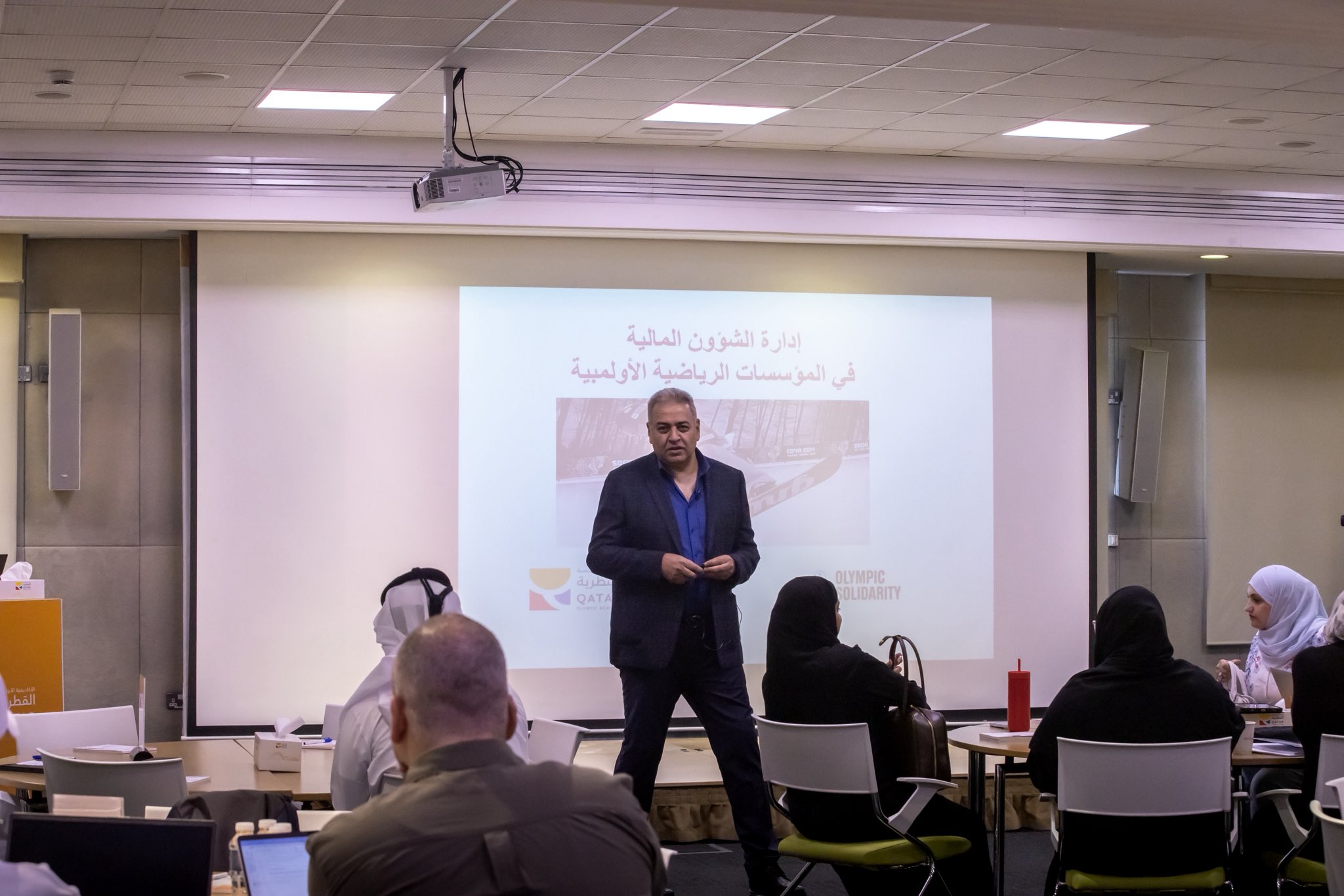
الأكاديمية الأولمبية القطرية تختتم فصل الإدارة المالية في المؤسسات الرياضية.
الدوحة: اختتمت الأكاديمية الأولمبية القطرية محاضرات الفصل الرابع من برنامج الدبلوم في الإدارة الرياضية، والذي جاء تحت عنوان "الإدارة المالية في المؤسسات الرياضية" وذلك في إطار جهود الأكاديمية المستمرة لتطوير وتأهيل الكوادر الرياضية والإدارية، وتعزيز معارفهم ومهاراتهم في مختلف التخصصات المرتبطة بالإدارة الرياضية الحديثة.
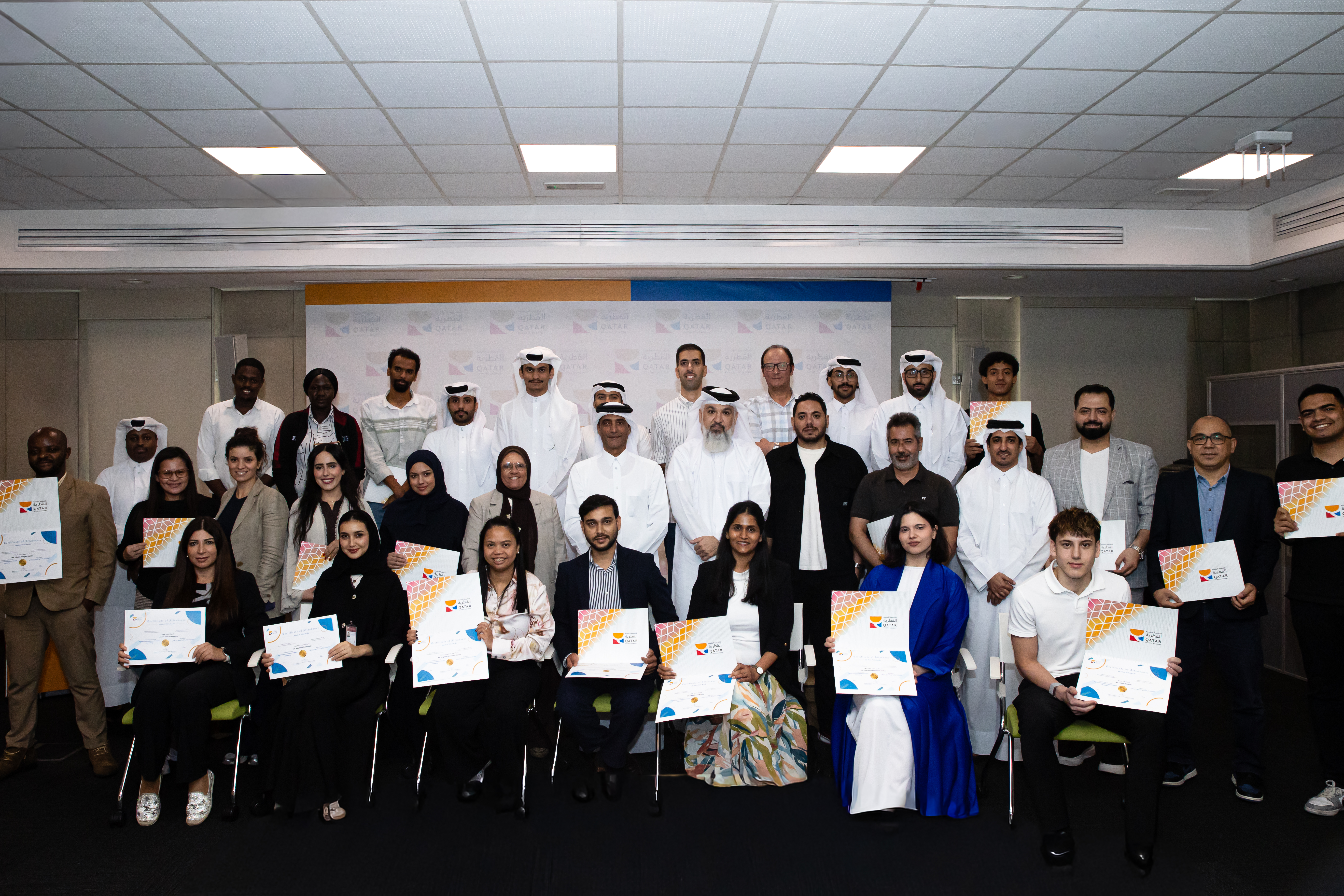
الأكاديمية الأولمبية القطرية تختتم دورة «الاتصالات الرقمية في التسويق الرياضي»
الدوحة: اختتمت الأكاديمية الأولمبية القطرية دورة الاتصالات الرقمية في التسويق الرياضي، التي أقيمت في مقر الأكاديمية خلال الفترة من 31 أغسطس إلى 3 سبتمبر 2026، ضمن سلسلة البرامج والدورات المتنوعة التي تقدمها الأكاديمية ضمن اجندة الدورات للعام الأكاديمي الحالي 2026 بهدف تطوير قدرات العاملين والمهتمين بالقطاع الرياضي، ومواكبة التطورات المتسارعة في مجالات التسويق والإعلام والاتصال الرقمي.