
**Doha: **
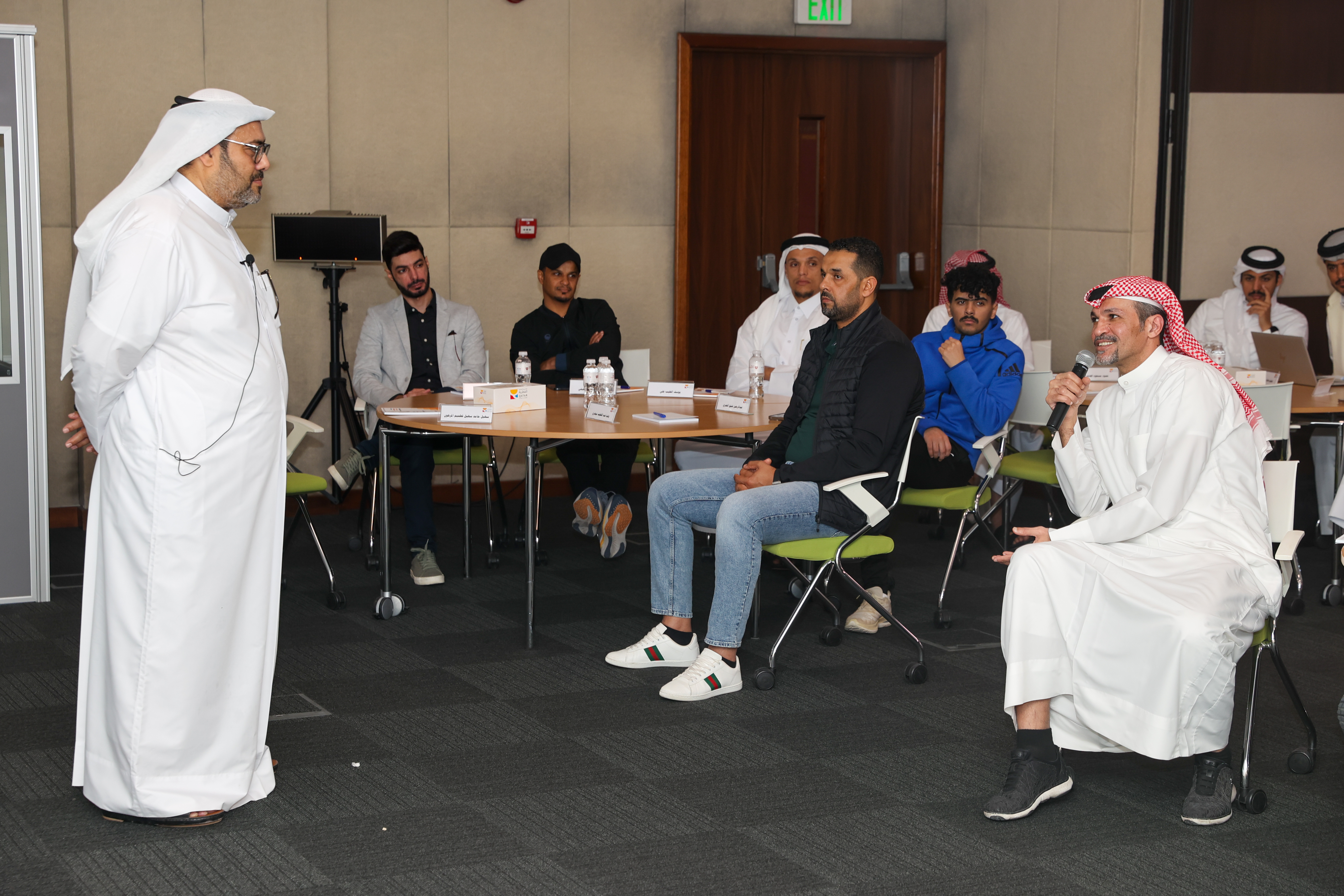
The Qatar Olympic Academy has launched the 15th edition of the Advanced Diploma in Sports and Olympic Organizations Management, in partnership with the International Olympic Committee (IOC) and the International Olympic Academy. The event was attended by approximately 55 male and female participants from various sports, administrative, and academic backgrounds, both from within Qatar and abroad. Among the attendees were prominent Qatari and Gulf athletes, including national football star and Al-Wakrah player Abdelkarim Hassan, handball star Youssef Ben Ali from Al-Rayyan, and national skydiving team player Samad Abdullah. Additionally, former football stars such as Iraq’s Nashat Akram, Kuwait’s Khaled Al-Fadhli, Fahad Al-Ansari, Ahmed Ma’dath, and Hamad Al-Anzi, as well as Oman’s Badr Al-Maiani, joined the program. The program also attracted several administrative leaders, including Saud Al-Mejmed, Director of National Teams in Kuwait, Hadi Al-Yami, President of Najran Club, Hamad Al-Dosari, Executive Director of Saudi Stars Club, and Abdullah Al-Fifi, Operations and Facilities Manager at Saudi’s NEOM Club, among other sports and administrative figures from across the Gulf and the Arab world.
**First Session:**
The first session of the program, titled "Organizational Structures of Sports and Olympic Institutions," was delivered by Dr. Ali Al-Bakri, the program director accredited by the IOC. The session focused on the structuring of Olympic committees, covering topics such as understanding the impact of environmental conditions on organizations, evaluating organizational structures and individual roles within them, assessing organizational leadership, and the use of information technology in this field. Additionally, the session addressed effective organizational change management. Participants were also introduced to the history of the Olympic Movement and the IOC, as well as assumptions about workplace behavior and organizational concepts, such as the appreciation of volunteer work and the importance of the Olympic Movement. Dr. Al-Bakri explained how the IOC studies practical environments and establishes specialized departments or committees. He also presented the organizational structure of the IOC and discussed the Olympic Charter, the roles and independence of National Olympic Committees, joint Olympic hosting between countries, and the IOC’s relationships with other entities such as National Olympic Committees, continental federations, and national Olympic and non-Olympic federations.
**Program Duration:**
The diploma program consists of seven sessions spread from the end of February until the end of November. Participants attend in person at the academy’s headquarters for three days each month. Upon completing the program, passing all exams, and submitting a graduation project, participants will receive a diploma certificate issued by the IOC, signed by IOC President Thomas Bach and His Excellency Sheikh Joaan bin Hamad Al Thani, President of the Qatar Olympic Committee. Additionally, participants will receive certificates for each completed session, bearing the title of the respective session.
**Admission Requirements:**
Applicants to the diploma program must meet several conditions, including holding a bachelor’s degree in any field or having completed two courses: "Principles of the Olympic Movement in the Sports System (Management 1)" and "Modern Management of Sports Organizations (Management 2)," which are offered annually by the Qatar Olympic Academy with IOC accreditation. These courses prepare participants to join the diploma program. Notably, the academy will offer the "Principles of the Olympic Movement in the Sports System" course from April 27 to May 1, while the "Modern Management of Sports Organizations (Management 2)" course will run from November 23 to 27, providing an opportunity for those interested in joining the next edition of the diploma program to fulfill all requirements.
**Second Session:**
The second session of the program will take place from April 8 to 10, focusing on "Strategic Planning." Participants will learn about preparing for strategic processes, diagnosing the environment of Olympic sports organizations, and understanding vision, values, missions, and strategic goals. The session will also cover how to develop action plans, as well as monitoring and evaluation techniques.
أكثر الأخبار
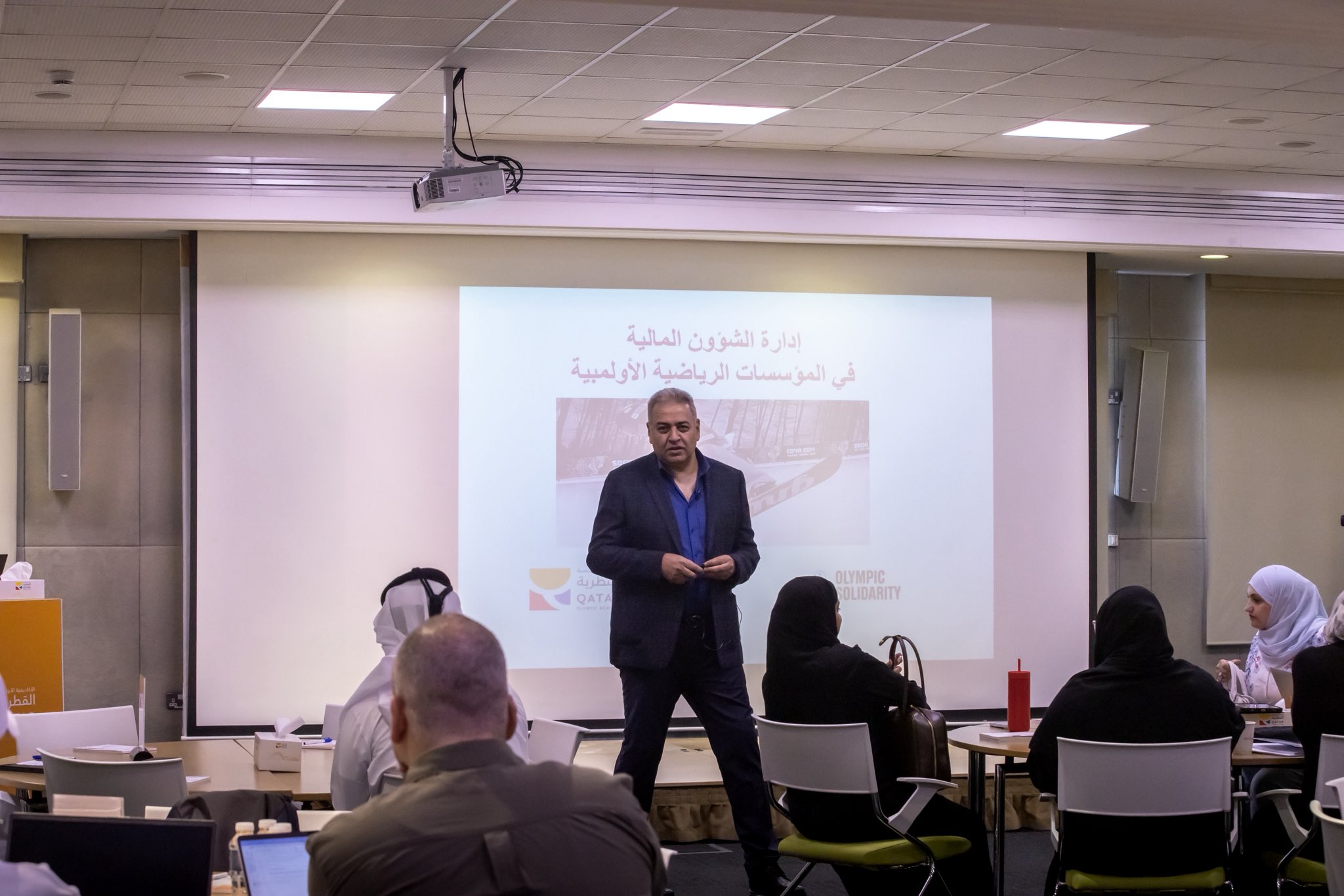
الأكاديمية الأولمبية القطرية تختتم فصل الإدارة المالية في المؤسسات الرياضية.
الدوحة: اختتمت الأكاديمية الأولمبية القطرية محاضرات الفصل الرابع من برنامج الدبلوم في الإدارة الرياضية، والذي جاء تحت عنوان "الإدارة المالية في المؤسسات الرياضية" وذلك في إطار جهود الأكاديمية المستمرة لتطوير وتأهيل الكوادر الرياضية والإدارية، وتعزيز معارفهم ومهاراتهم في مختلف التخصصات المرتبطة بالإدارة الرياضية الحديثة.
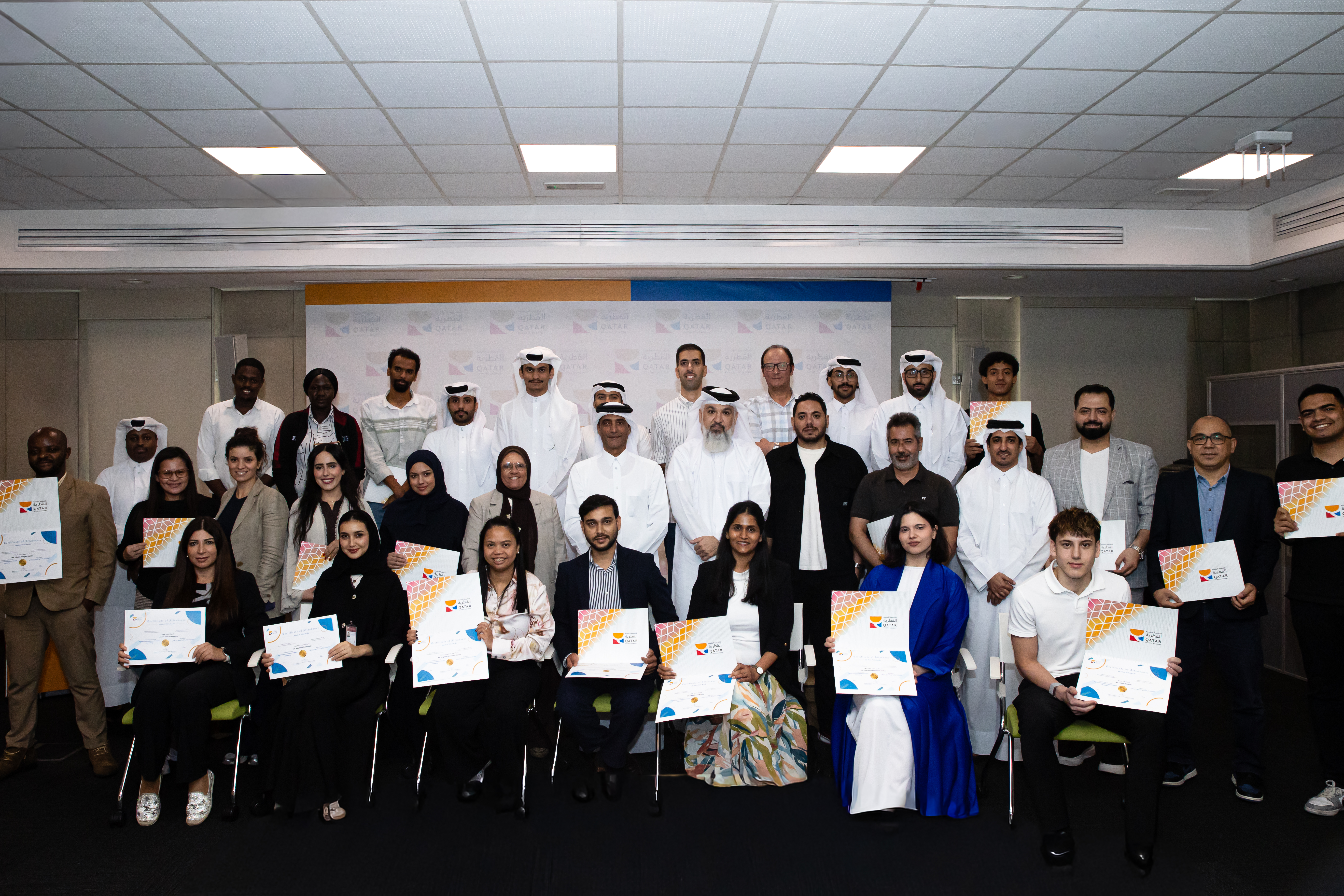
الأكاديمية الأولمبية القطرية تختتم دورة «الاتصالات الرقمية في التسويق الرياضي»
الدوحة: اختتمت الأكاديمية الأولمبية القطرية دورة الاتصالات الرقمية في التسويق الرياضي، التي أقيمت في مقر الأكاديمية خلال الفترة من 31 أغسطس إلى 3 سبتمبر 2026، ضمن سلسلة البرامج والدورات المتنوعة التي تقدمها الأكاديمية ضمن اجندة الدورات للعام الأكاديمي الحالي 2026 بهدف تطوير قدرات العاملين والمهتمين بالقطاع الرياضي، ومواكبة التطورات المتسارعة في مجالات التسويق والإعلام والاتصال الرقمي.
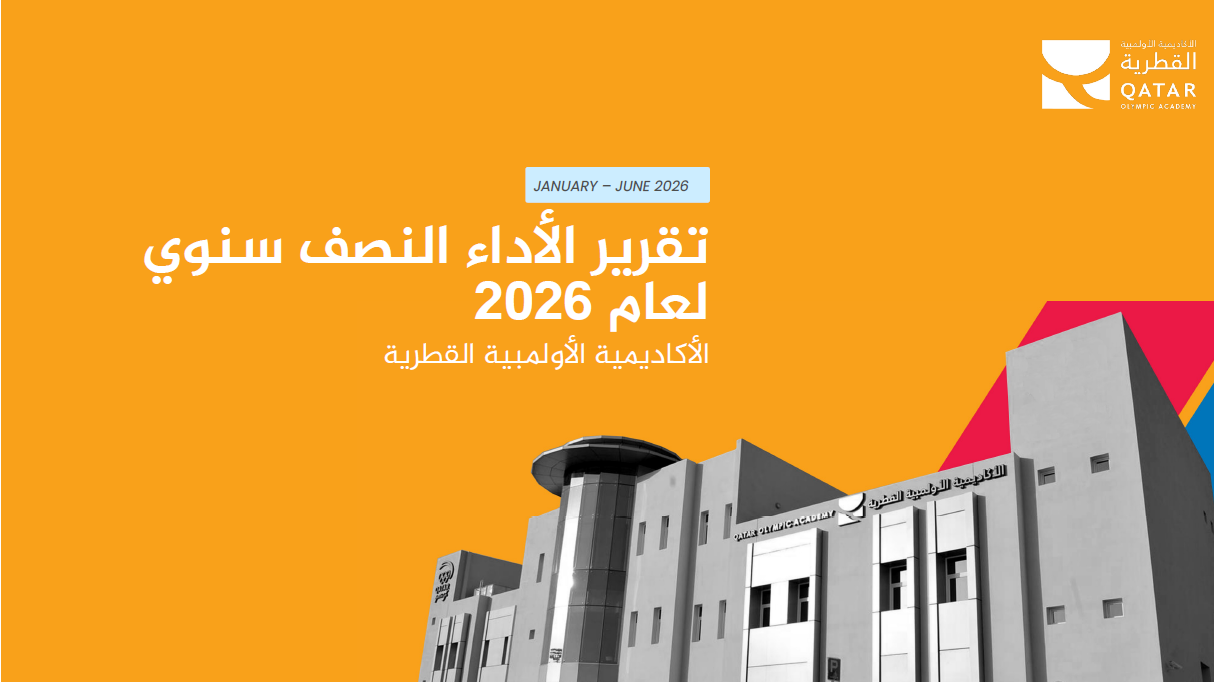
الأكاديمية الأولمبية القطرية تواصل مسيرة النمو والتميز في النصف الأول من 2026
الدوحة – 26 يوليو 2026: رسخت الأكاديمية الأولمبية القطرية مكانتها كإحدى المؤسسات الرائدة في مجال التعليم الأولمبي والقيادة الرياضية على المستويين الوطني والإقليمي، بعدما سجلت خلال النصف الأول من عام 2026 سلسلة من الإنجازات المؤسسية والأكاديمية والإعلامية التي عكست نجاح استراتيجيتها في تطوير الكفاءات الرياضية وتعزيز التعليم المستدام ودعم مستهدفات رؤية قطر الوطنية 2030. وأكد التقرير نصف السنوي الذي أصدرته الأكاديمية الأولمبية القطرية أن الفترة الممتدة من يناير إلى يونيو 2026 شهدت نمواً ملحوظاً في مختلف مجالات العمل، سواء على صعيد البرامج الأكاديمية والتدريبية، أو الشراكات الاستراتيجية الدولية، أو التوسع في الحضور الإعلامي والرقمي، إلى جانب إطلاق مشاريع جديدة تهدف إلى تعزيز التحول الرقمي وتطوير تجربة الدارسين والدارسات والمستفيدين من خدمات الأكاديمية.