
Doha:
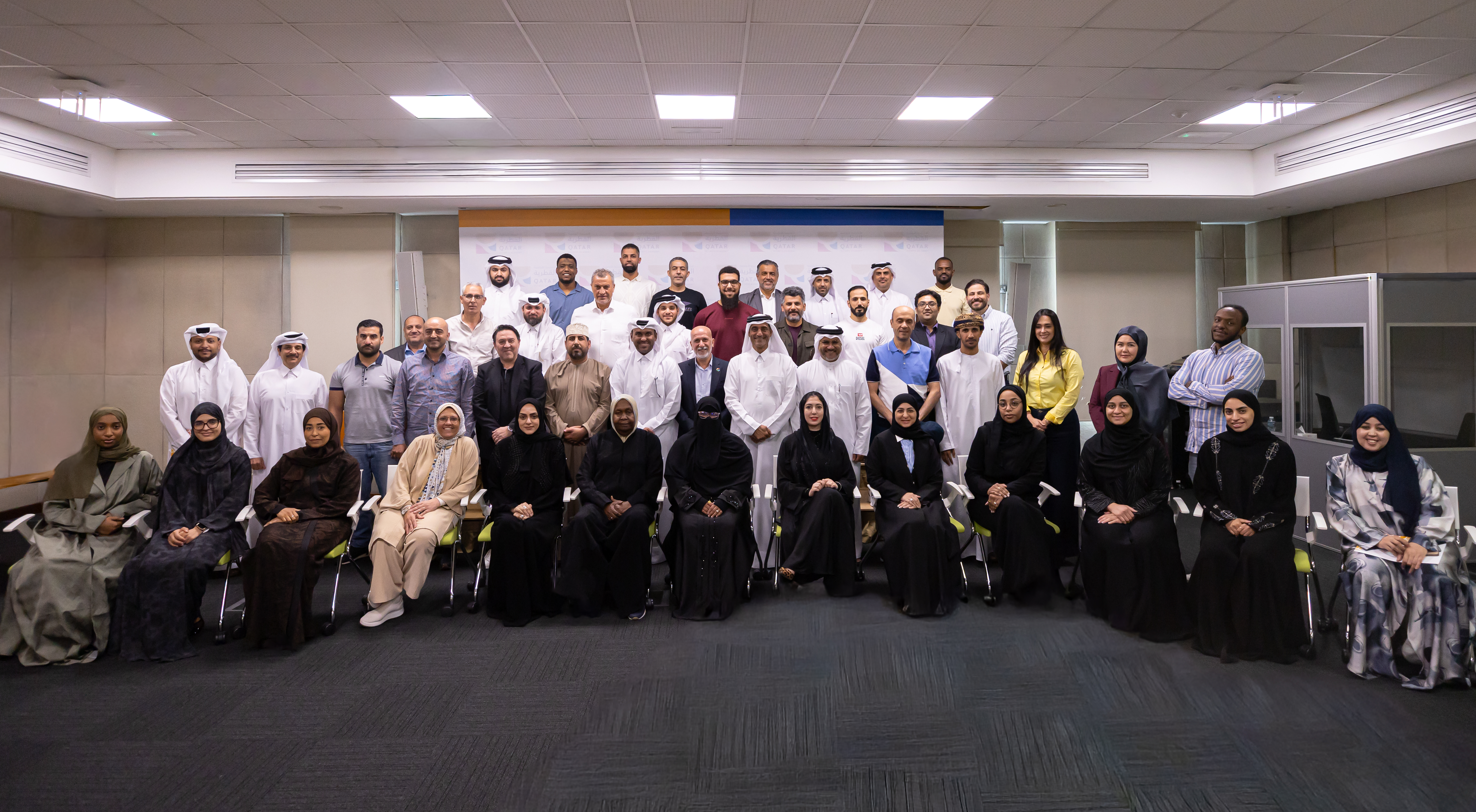
As part of its strategic direction to keep pace with global advancements in technology and innovation, the Qatar Olympic Academy organized a specialized programme titled “Generative AI for Leaders in Sport” on June 3–4, in collaboration with Google Cloud. This initiative reflects the Academy’s ongoing commitment to developing leadership competencies within the sports sector and enhancing their ability to adapt to rapid digital transformation.
The programme comes amid growing global interest in leveraging generative artificial intelligence as one of the most influential tools shaping the future of sports institutions. Through this initiative, the Academy aims to empower leaders and decision-makers with the practical knowledge and strategic vision needed to effectively harness these advanced technologies, thereby improving institutional performance, enhancing operational efficiency, and strengthening competitiveness.
The programme attracted significant participation, with more than seventy attendees from within Qatar and abroad. Participants represented a diverse range of professional backgrounds and expertise across various functional fields, including the Qatar Olympic Committee, the Ministry of Sports and Youth, sports federations, sports clubs, private academies, as well as media professionals, athletes, and technology and innovation enthusiasts. This diverse participation reflects the increasing interest in artificial intelligence technologies and their expanding role in developing the sports sector at all levels.
The programme aimed to deliver comprehensive content that combines both theoretical and practical aspects, focusing on introducing participants to the concept of generative artificial intelligence, its mechanisms, and its applications within the sports work environment. It also sought to enhance awareness among sports leaders of the importance of digital transformation and the need to adopt modern strategies capable of keeping up with the rapid changes shaping today’s world.
The sessions addressed several key themes that form the foundation of digital transformation in sports. These included advanced applications of artificial intelligence in sports data analysis, enabling technical and administrative teams to make informed decisions based on accurate insights. The programme also explored the role of these technologies in enhancing fan engagement by delivering personalized and interactive content that strengthens their connection with sports organizations.
In addition, the programme highlighted the importance of artificial intelligence in supporting decision-making processes through analytical models capable of forecasting various scenarios and evaluating potential risks and opportunities, thereby providing sports leaders with more precise and effective tools for strategic planning. It also emphasized the role of AI in fostering a culture of innovation within organizations through the development of new, creative, and adaptive operational models.
The collaboration with Google Cloud added significant value to the programme, as the company contributed its global expertise in artificial intelligence and cloud computing and helped deliver advanced training content aligned with the latest international standards. Participants had the opportunity to explore leading technological solutions offered by Google Cloud, including tools for data analysis and content generation, along with practical examples drawn from successful global experiences in this field.
Furthermore, the programme offered participants an additional advantage by qualifying them to pursue the “Generative AI for Leaders” certification from Google—an internationally recognized credential in digital leadership. This certification provides considerable professional value, enhancing participants’ employability and offering a competitive edge in a market increasingly seeking talent capable of leading digital transformation initiatives.
This initiative holds particular importance amid the accelerating global trend toward integrating artificial intelligence technologies into all aspects of sports, whether technical, administrative, or commercial. AI has become a critical tool in analyzing athlete performance, developing training strategies, predicting injuries, improving resource management, and increasing operational efficiency.
In the marketing domain, artificial intelligence has driven a major shift in how sports organizations engage with their audiences, enabling the analysis of fan behavior and the delivery of tailored content that aligns with their interests. This, in turn, strengthens audience loyalty and supports revenue growth.
The programme underscores the Qatar Olympic Academy’s commitment to maintaining its leadership role in developing sports professionals by offering advanced training programmes aligned with global trends and by building human capacities capable of leading the future. It also reflects the Academy’s dedication to establishing strategic partnerships with leading international companies to facilitate knowledge exchange and reinforce Qatar’s position as a regional hub for sports excellence and innovation.
The outcomes of the programme are expected to generate tangible impact within sports institutions, as participants will apply the knowledge and skills they have acquired in their workplaces and implement best practices in analysis, decision-making, and innovation, thereby improving overall performance.
Amid these continuous efforts, Qatar continues to strengthen its position as a leading country in adopting modern technology within the sports sector through investment in human capital and knowledge, and by promoting initiatives that integrate sports and technology. This programme stands as a clear embodiment of this direction, affirming that the future of sports is increasingly driven by innovation and artificial intelligence as key pillars of success and sustainability.
The programme ultimately conveys a clear message: developing sports leadership can no longer rely solely on traditional approaches, but requires a deep understanding of modern technologies and the ability to utilize them effectively, enabling the creation of more advanced and resilient sports institutions capable of addressing challenges and seizing opportunities in a rapidly evolving world.
In this context, Mr. Khaleel Ebrahim Al-Jaber, Executive Director of the Qatar Olympic Academy, stated:
“The launch of the Generative AI for Leaders in Sport programme represents a pivotal step in our efforts to prepare sports professionals capable of addressing future challenges. Artificial intelligence has become a fundamental component across various sectors, and sport is no exception. It is transforming how sports organizations operate, engage with audiences, and create value. Programmes like this play a crucial role in preparing a new generation of sports leaders who can effectively leverage digital technologies.
He added:
“Through our partnership with Google Cloud, we are proud to deliver a specialized programme that enables sports leaders to understand, adopt, and use these technologies responsibly and effectively. This initiative is part of the Academy’s broader strategy aimed at promoting innovation, digital transformation, and continuous learning within the sports ecosystem, further reinforcing its position as a leading regional center for sports education and professional development.
He further emphasized:
“Google Cloud has enriched the programme content by providing the latest insights into artificial intelligence technologies and their practical applications, allowing participants to gain exposure to global best practices and emerging trends shaping the sports industry.”
Al-Jaber concluded:
“This programme strengthens the position of the Qatar Olympic Academy as a leading institution in sports education and innovation, while supporting Qatar’s ambitions to become a knowledge-based economy and reinforcing its standing as a global destination for advanced sports.”
More news
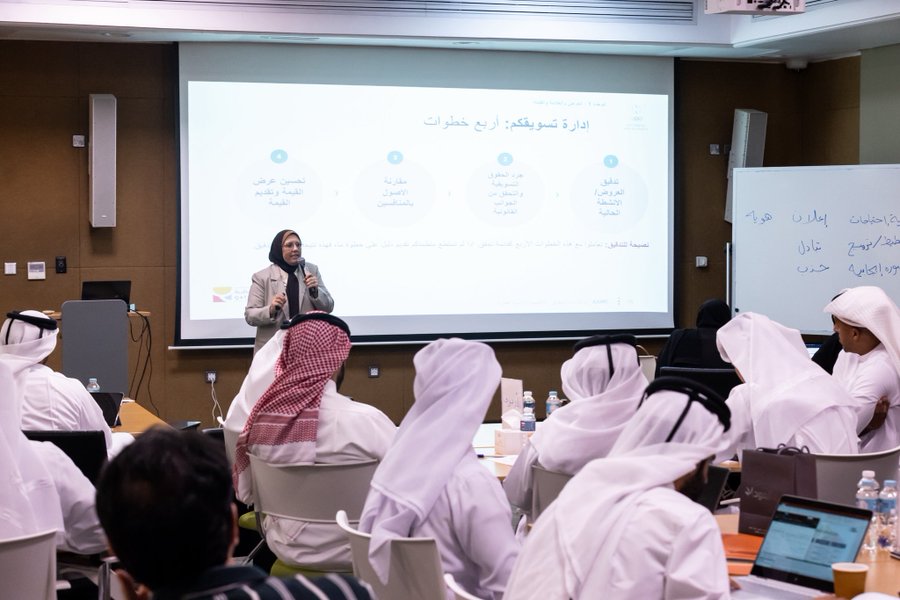
Conclusion of the Fifth Module, “Marketing Management in Sports and Olympic Organizations,” of the Sports Management Diploma Program
Doha, Qatar As part of its mission to develop national and Arab professionals working in the sports sector, the Qatar Olympic Academy continued the delivery of its Sports Management Diploma Program, accredited by the International Olympic Committee (IOC), Olympic Solidarity, and the International Olympic Academy. The Academy recently concluded the fifth module of the program, entitled “Marketing Management in Sports and Olympic Organizations,” held on 12 and 13 October 2026, with the participation of 54 male and female students representing a distinguished group of learners and professionals from sports organizations, committees, clubs, and sports federations, covering a wide range of professional and academic disciplines.
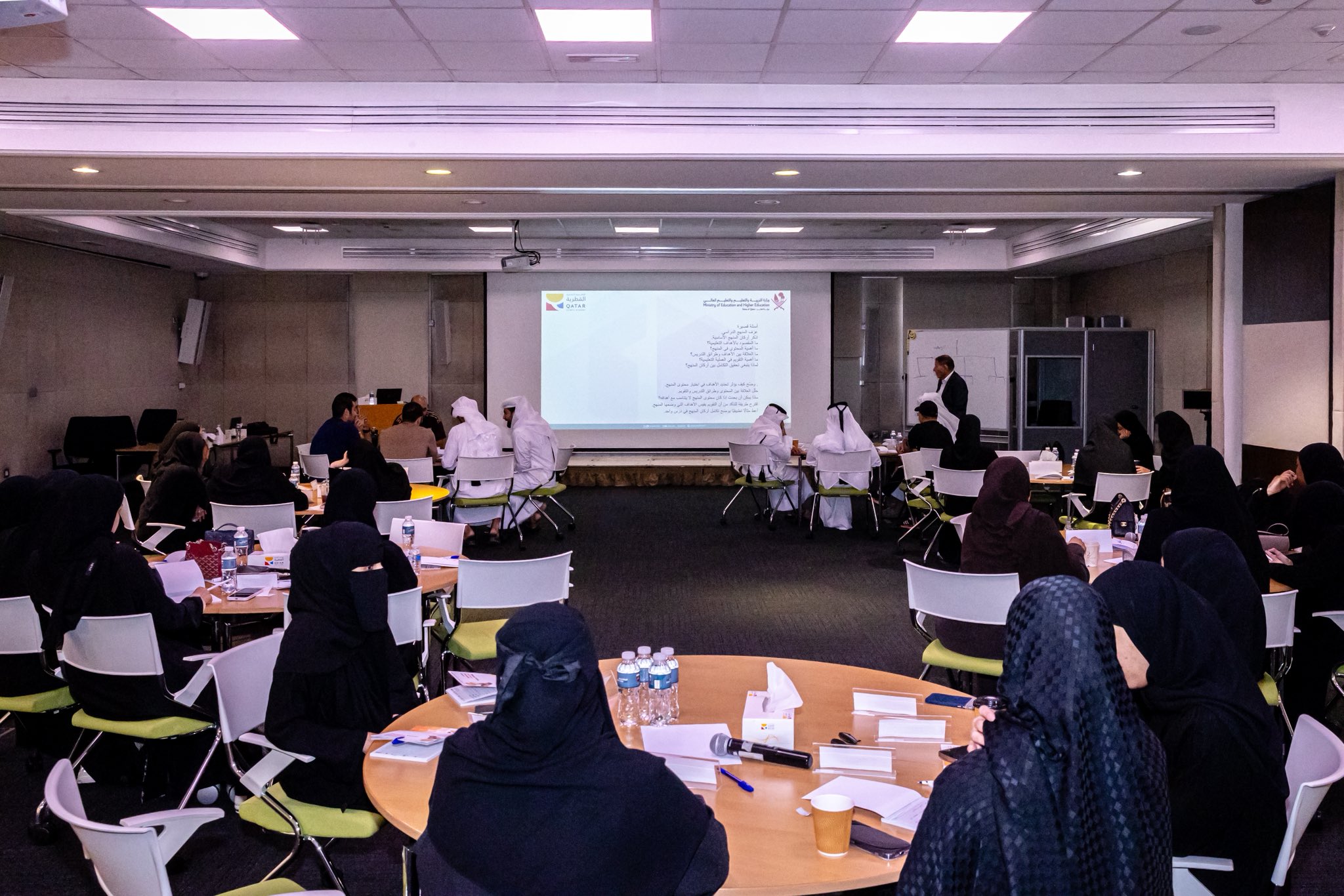
Closing of the Physical Education Teachers Preparation Course in Light of Olympic Values
Doha, Qatar As part of its ongoing efforts to contribute to the development of Qatar’s national sports and educational systems, the Qatar Olympic Academy, in cooperation with the Ministry of Education and Higher Education, successfully delivered the “Physical Education Teachers Preparation Course in Light of Olympic Values.” The course was designed for Level One Physical Education teachers in the State of Qatar and formed part of a comprehensive program aimed at enhancing teachers’ professional competencies and preparing them to keep pace with modern developments in education, physical education, and school sports.

Qatar Olympic Academy Concludes “Sports Policies and Legal Frameworks in Sport” Course
Doha, September 30, 2026 The Qatar Olympic Academy successfully concluded its Sports Policies and Legal Frameworks in Sport course, held over three days from September 28 to 30, 2026, with the participation of professionals and stakeholders from the sports sector both within and outside the State of Qatar. Participants represented various governmental and private sector organizations and came from diverse professional and academic backgrounds.