
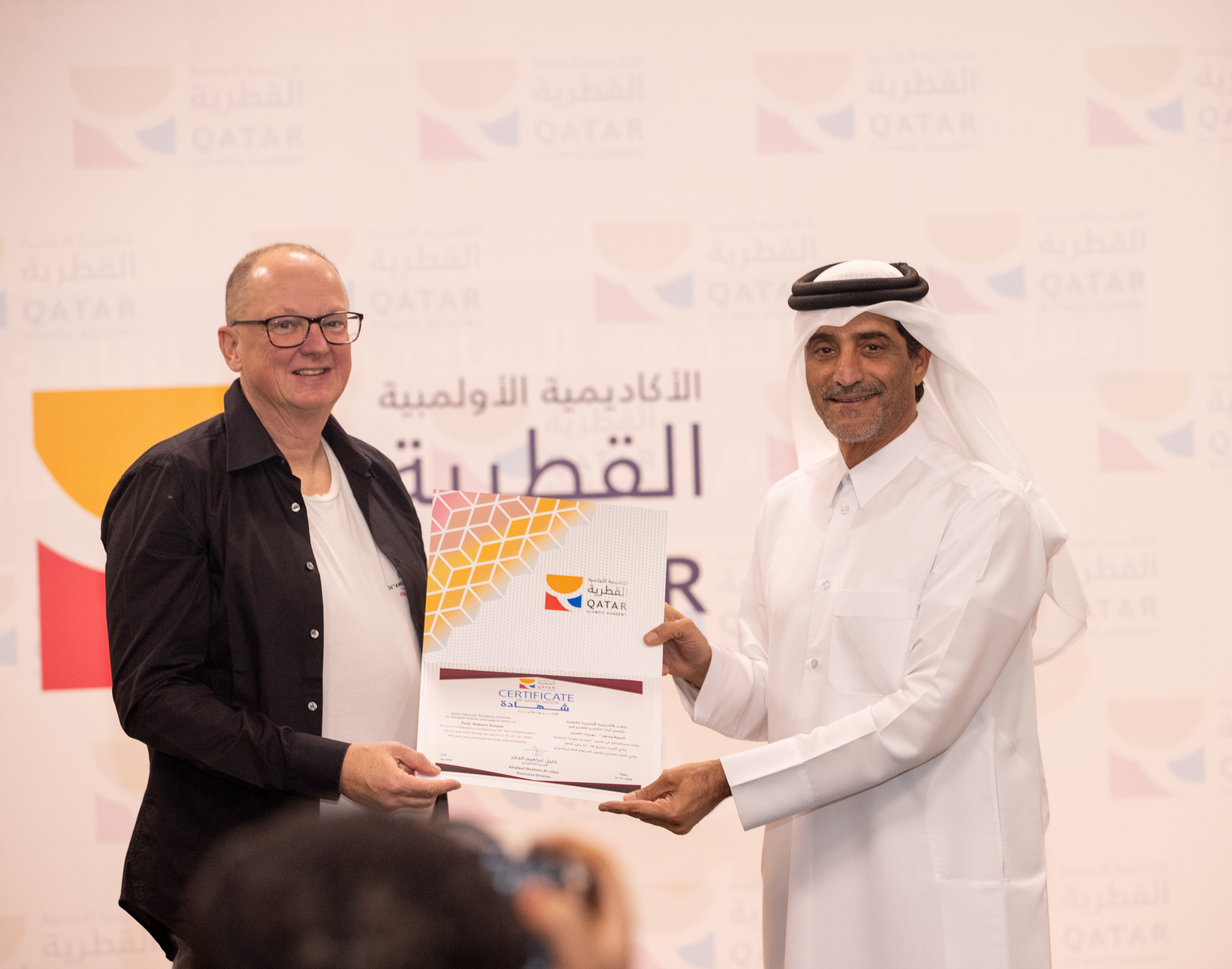
As part of its ambitious strategy to develop sports and administrative cadres, the Qatar Olympic Academy held a specialized training course titled "Digitalization and Sports Management," marking the first of its diverse programs included in the new year's 2026 agenda. The course was presented by Dr. Robert Kasper, Assistant Professor in Sports Management at Schloss Seeburg University in Austria, amid diverse participation from those interested in sports affairs in the State of Qatar and the region as a whole.
This course comes at a time when the world is witnessing an accelerated digital transformation, where digital technology has become an essential element in developing and managing sports.
From this standpoint, the Qatar Olympic Academy was keen to include the topic of digitalization in its first training programs for the new year, affirming its commitment to keeping pace with the latest global trends, and providing sports cadres with the necessary knowledge and skills to deal with future challenges.
This course comes at a time when the State of Qatar is preparing to continue its leading role in hosting major sporting events, such as the 2030 Asian Games, the 2027 Basketball World Cup, and the 2029 Volleyball World Cup.
Qatar is also organizing 83 championships and sporting events this year, ranging from global, international, regional, and local levels.
Therefore, enhancing the capabilities of national cadres in the field of digitalization and sports management is an essential step to ensure the success of these events and to solidify Qatar's image as a global capital for sports.
The course focused on a set of vital axes that represent the essence of digital transformation in sports, the most prominent of which are: Digital Trends and Methods of Transitioning to Digital Approaches: Dr. Kasper discussed how sports institutions transition from traditional methods to digital ones, the importance of building clear strategies for digital transformation, with a focus on change management and developing technological infrastructure. Digitalization in the Fan Experience at Sporting Events: The course addressed the role of technology in improving the fan experience, starting from electronic ticket purchases to interaction via smart applications inside stadiums, which enhances fan satisfaction and increases their engagement with the sporting event.
Employing Digital Services to Improve the Organization of Sporting Events: Participants reviewed how to use digital systems in managing organizational operations, such as registering participants, scheduling matches, and managing human and financial resources, ensuring higher efficiency and greater transparency.
Smart Stadiums and Facilities: The course shed light on the concept of smart stadiums that rely on sensor technologies and artificial intelligence for managing energy, security, and logistical services, making them more sustainable and suitable for the public and players.
Sports Federations' Engagement with the World of Esports: Dr. Kasper discussed the challenges and opportunities posed by esports, and how traditional sports federations can engage with this new world, whether through organizing tournaments or integrating them into their official activities.
Virtual Reality (VR), Augmented Reality (AR), and Mixed Reality (MR) Technology: The course reviewed practical applications of these technologies in sports training, performance improvement, and providing innovative fan experiences, such as watching matches in virtual reality or interacting with players via augmented reality. Digital Services and the Perspective of Stakeholders in Sports Institutions: Participants discussed how stakeholders—from fans, players, administrators, and sponsors—view digital services, and the importance of meeting their expectations to ensure the sustainability of sports institutions.
Digital Trends in Broadcasting and Transmitting Sporting Events: The course covered the latest innovations in digital broadcasting, such as streaming on electronic platforms, using artificial intelligence in match analysis, and providing interactive content that enhances the viewers' experience.
On the other hand, the course witnessed significant interaction from participants, who raised many questions about how to apply these concepts in the local context, especially regarding organizing tournaments in Qatar and managing the modern sports facilities hosted by the country.
Participants also expressed their appreciation for the distinguished scientific content presented by Dr. Kasper, which combined theoretical aspects with practical applications. At the conclusion of the course, Mr. Khalil Ibrahim Al Jaber, Executive Director of the Qatar Olympic Academy, said: "The launch of the Qatar Olympic Academy's Digitalization and Sports Management course at the beginning of the new year 2026 reflects our deep belief in the importance of keeping pace with global trends in the field of sports.
We realize that the future will be digital, and that the success of sports institutions depends on their ability to adopt technology and employ it to serve athletes, fans, and all stakeholders.
This course comes at a time when the State of Qatar is preparing to continue its leading role in hosting major sporting events, such as the 2030 Asian Games, the 2027 Basketball World Cup, the 2029 Volleyball World Cup, and other major events. Qatar is organizing 83 championships and sporting events this year alone, ranging from global, international, regional, and local levels. Therefore, enhancing the capabilities of national cadres in the field of digitalization and sports management is an essential step to ensure the success of these events and to solidify Qatar's image as a global capital for sports, which is what the Qatar Olympic Academy strives for through its programs and courses.
We were pleased to host Dr. Robert Kasper, who provided rich scientific content, and we are confident that this course will contribute to enhancing the capabilities of our national cadres and support the State of Qatar's efforts in consolidating its position as a global capital for sports."
أكثر الأخبار

الأكاديمية الأولمبية القطرية تختتم دورة «السياسات الرياضية والأطر القانونية في الرياضة»
الدوحة - 30 سبتمبر 2026 اختتمت الأكاديمية الأولمبية القطرية دورة السياسات الرياضية والأطر القانونية في الرياضة، التي أُقيمت على مدار ثلاثة أيام خلال الفترة من 28 إلى 30 سبتمبر 2026، بمشاركة عدد من العاملين والمهتمين بالقطاع الرياضي من داخل دولة قطر وخارجها، ومن مختلف القطاعات الحكومية والخاصة، من مختلف التخصصات الوظيفية والعلمية.
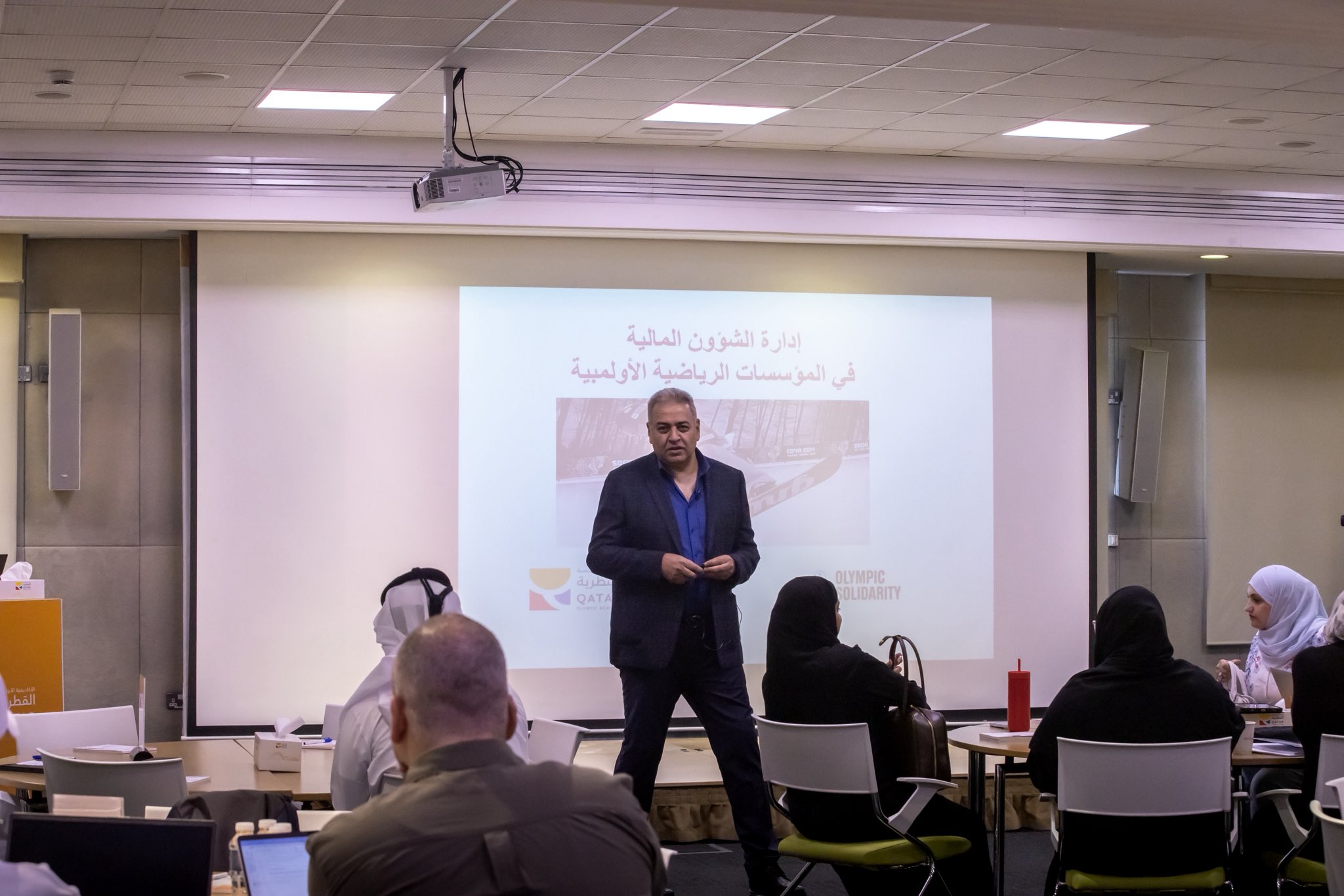
الأكاديمية الأولمبية القطرية تختتم فصل الإدارة المالية في المؤسسات الرياضية.
الدوحة: اختتمت الأكاديمية الأولمبية القطرية محاضرات الفصل الرابع من برنامج الدبلوم في الإدارة الرياضية، والذي جاء تحت عنوان "الإدارة المالية في المؤسسات الرياضية" وذلك في إطار جهود الأكاديمية المستمرة لتطوير وتأهيل الكوادر الرياضية والإدارية، وتعزيز معارفهم ومهاراتهم في مختلف التخصصات المرتبطة بالإدارة الرياضية الحديثة.
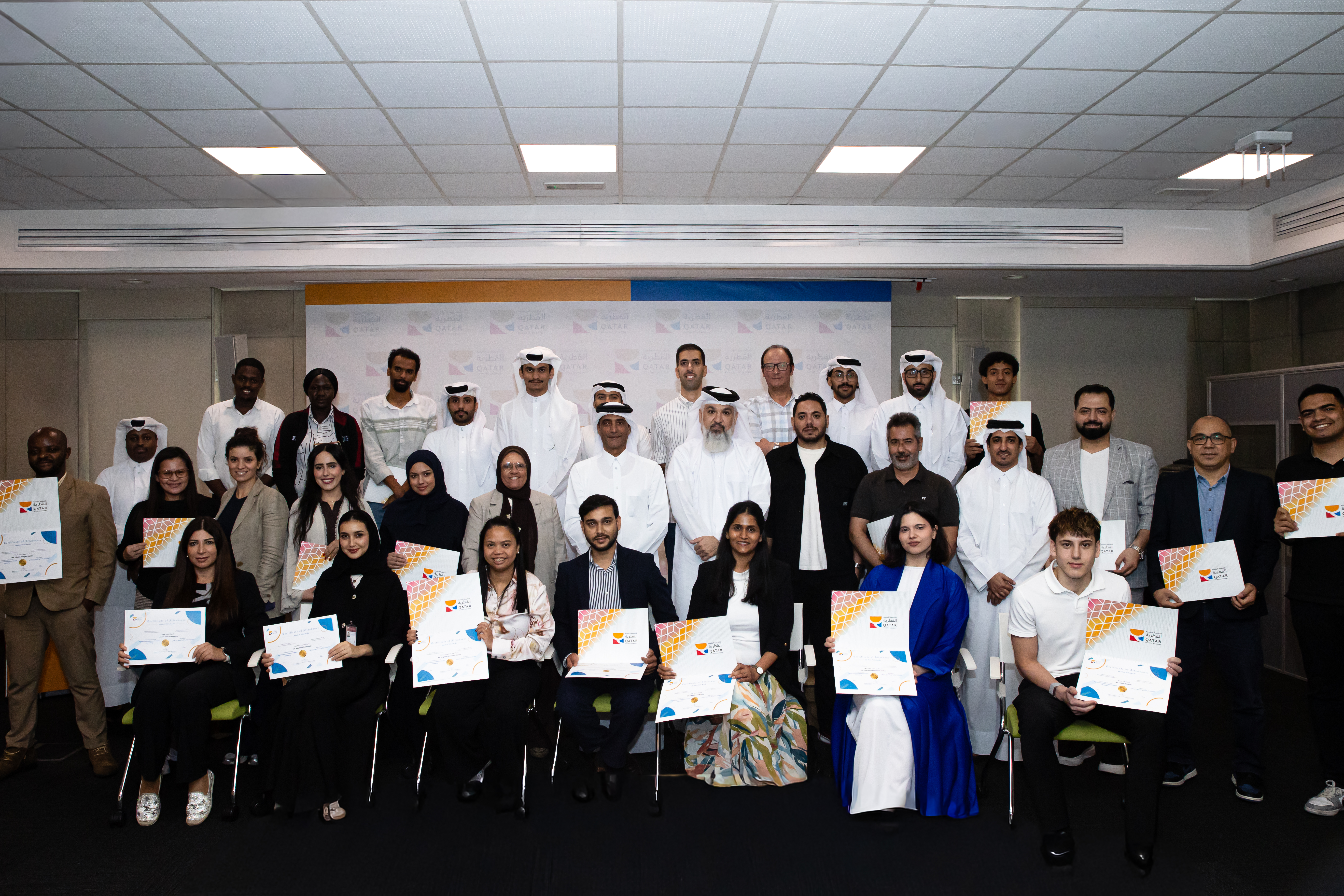
الأكاديمية الأولمبية القطرية تختتم دورة «الاتصالات الرقمية في التسويق الرياضي»
الدوحة: اختتمت الأكاديمية الأولمبية القطرية دورة الاتصالات الرقمية في التسويق الرياضي، التي أقيمت في مقر الأكاديمية خلال الفترة من 31 أغسطس إلى 3 سبتمبر 2026، ضمن سلسلة البرامج والدورات المتنوعة التي تقدمها الأكاديمية ضمن اجندة الدورات للعام الأكاديمي الحالي 2026 بهدف تطوير قدرات العاملين والمهتمين بالقطاع الرياضي، ومواكبة التطورات المتسارعة في مجالات التسويق والإعلام والاتصال الرقمي.